
San Salvador
About San Salvador
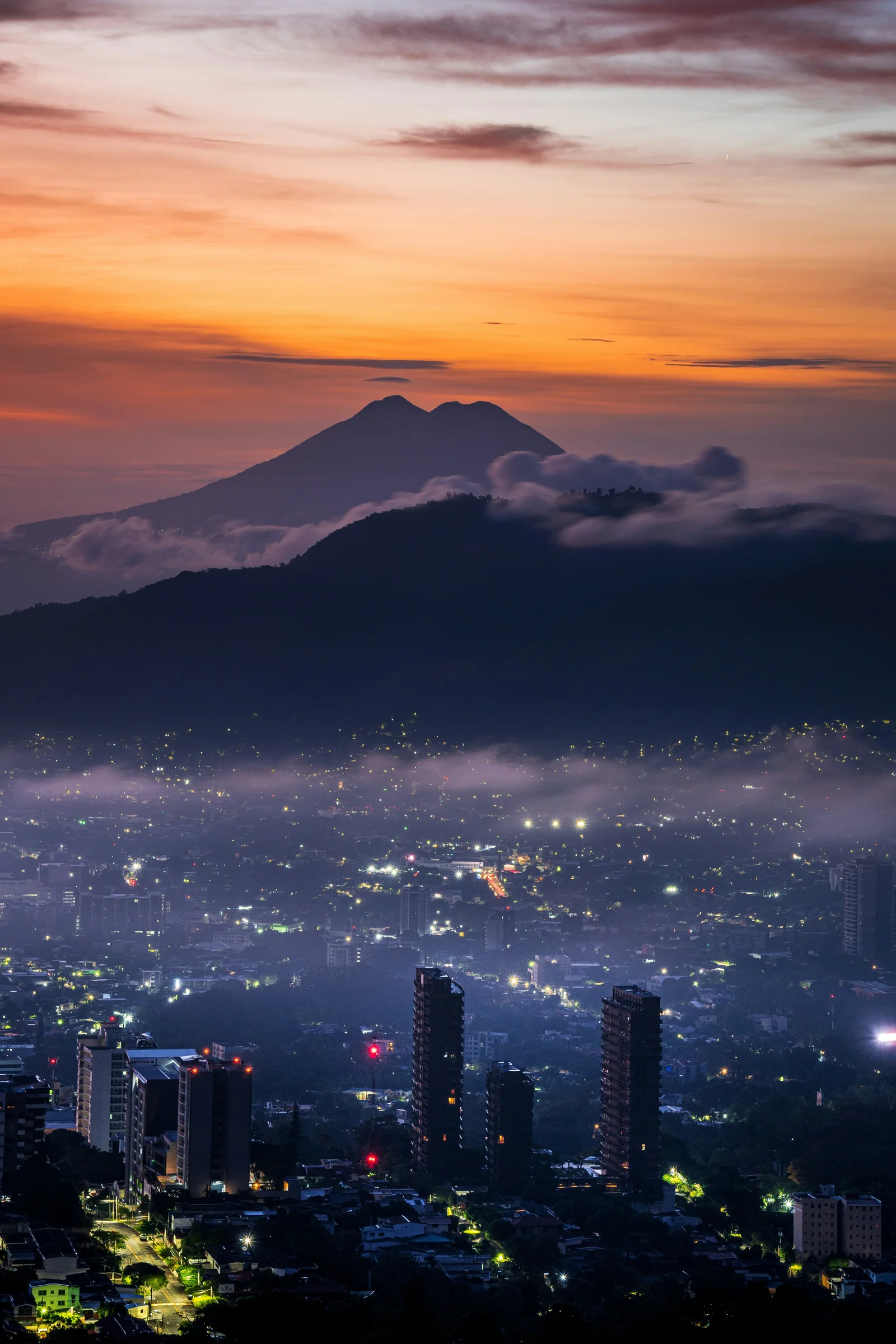
San Salvador is the capital of El Salvador and a stop to explore the country from its history to its daily life. Among its historic center, markets, and cultural spaces, there is much to discover, as well as a wide range of cafés and restaurants. From the capital, the journey continues to the San Salvador volcano, Lake Ilopango, and other destinations in the interior of the country.
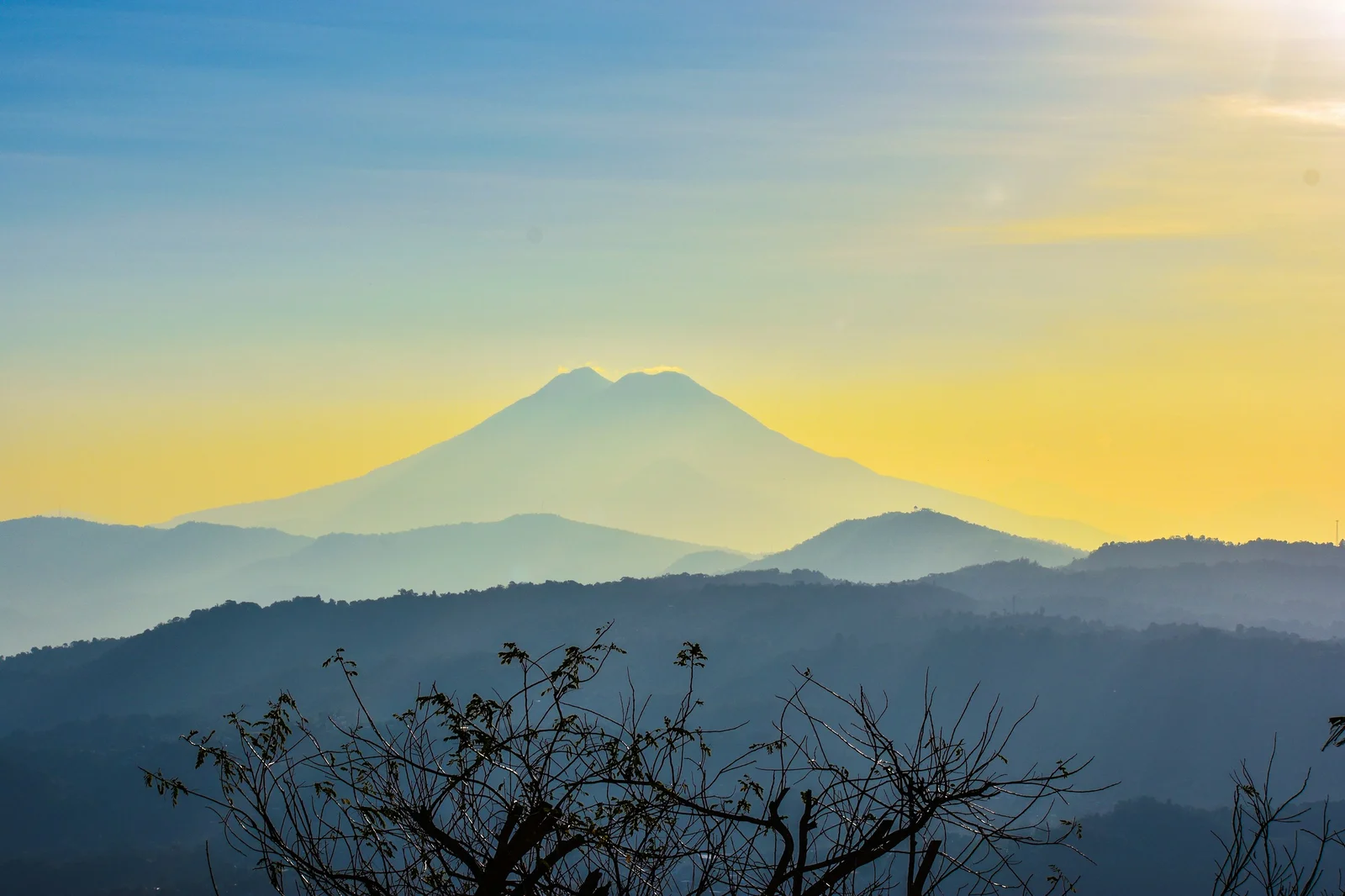
Explore San Salvador
Activities, restaurants and stays recommended by Experiences.
Where to eat
Tap a card for more info and location
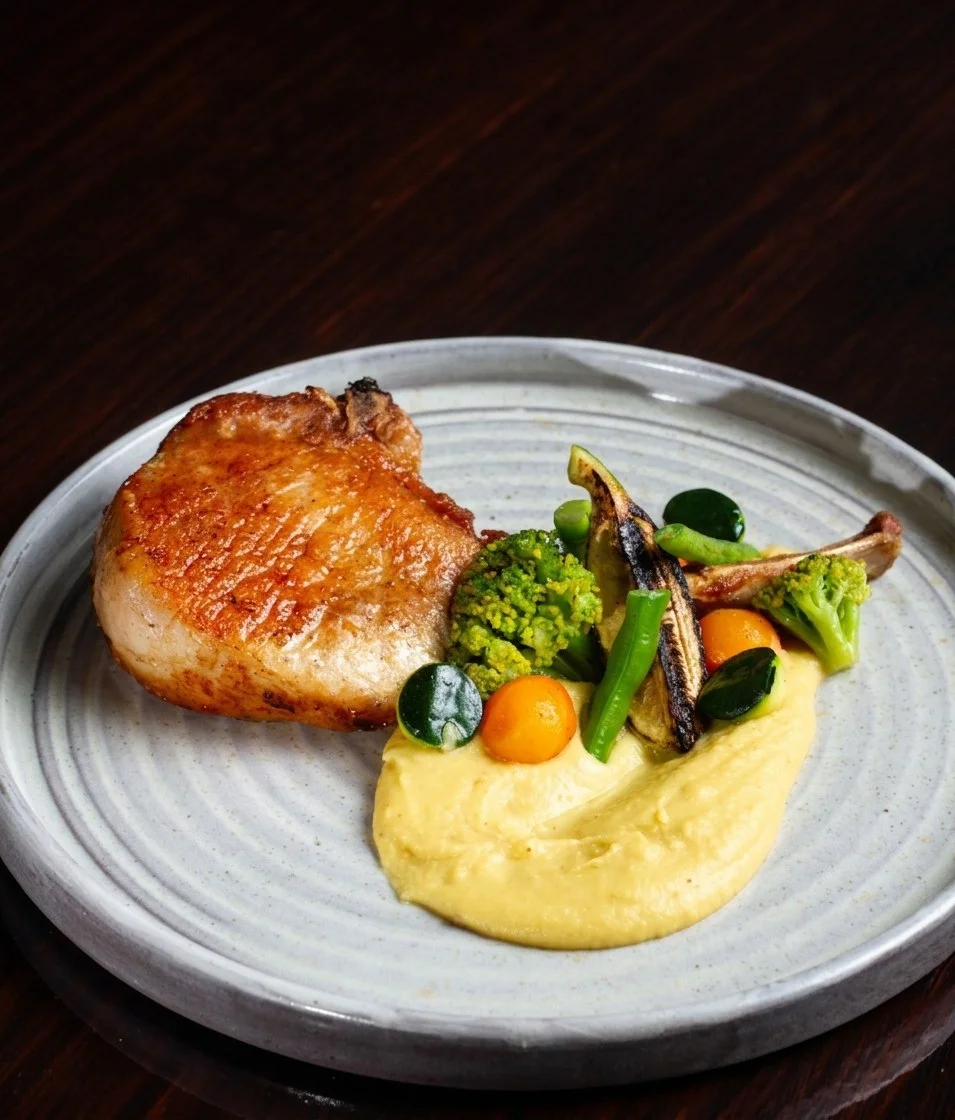
1893 Restaurant
1893 Restaurant
Restaurant in Colonia Escalón, on 87th North Avenue. A contemporary cuisine proposal in one of the culinary areas of San Salvador.
y, 87 Avenida Norte 222, San Salvador
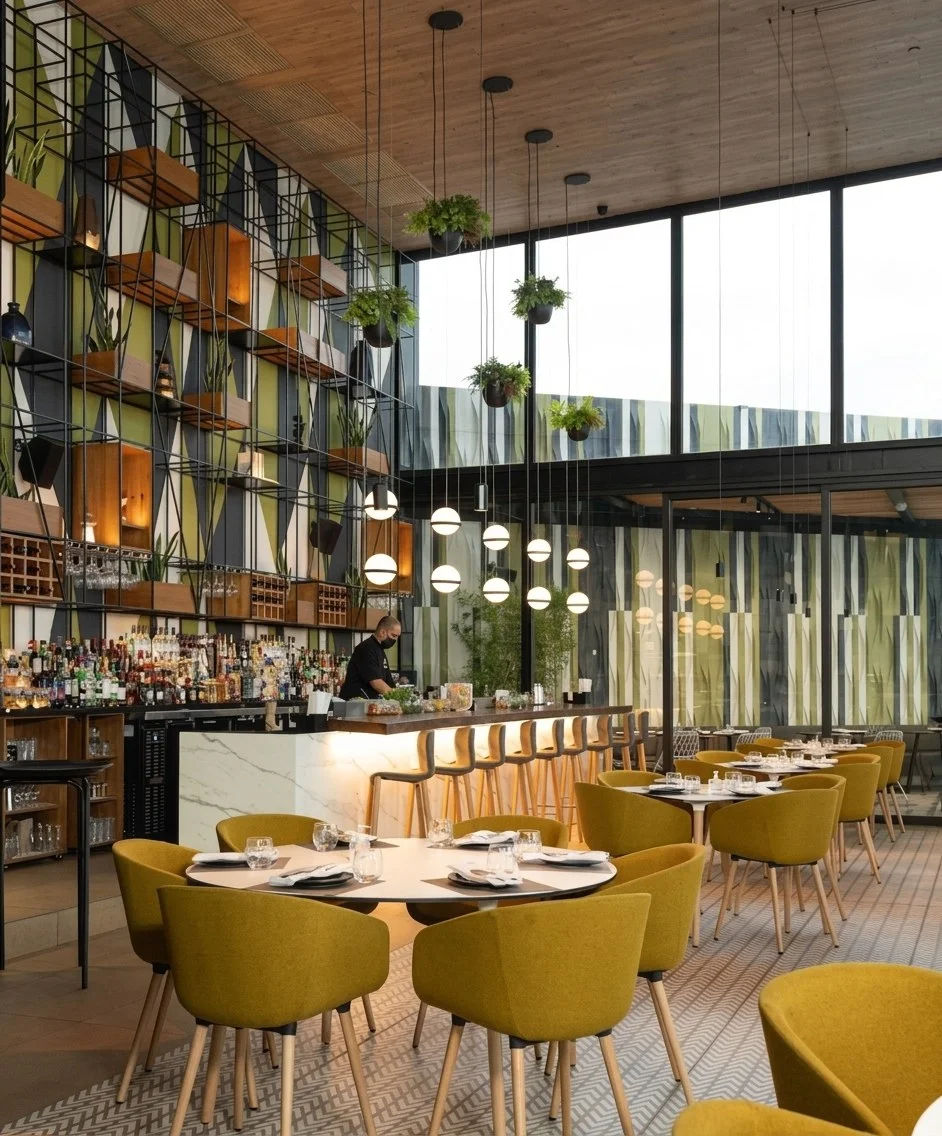
Brutto El Salvador
Brutto El Salvador
Restaurant in Bambú City Center, on the boulevard of the Hipódromo in San Benito. Contemporary Italian cuisine in the gastronomic area of the capital.
Bambu, Bulevar Del Hipodromo, San Salvador
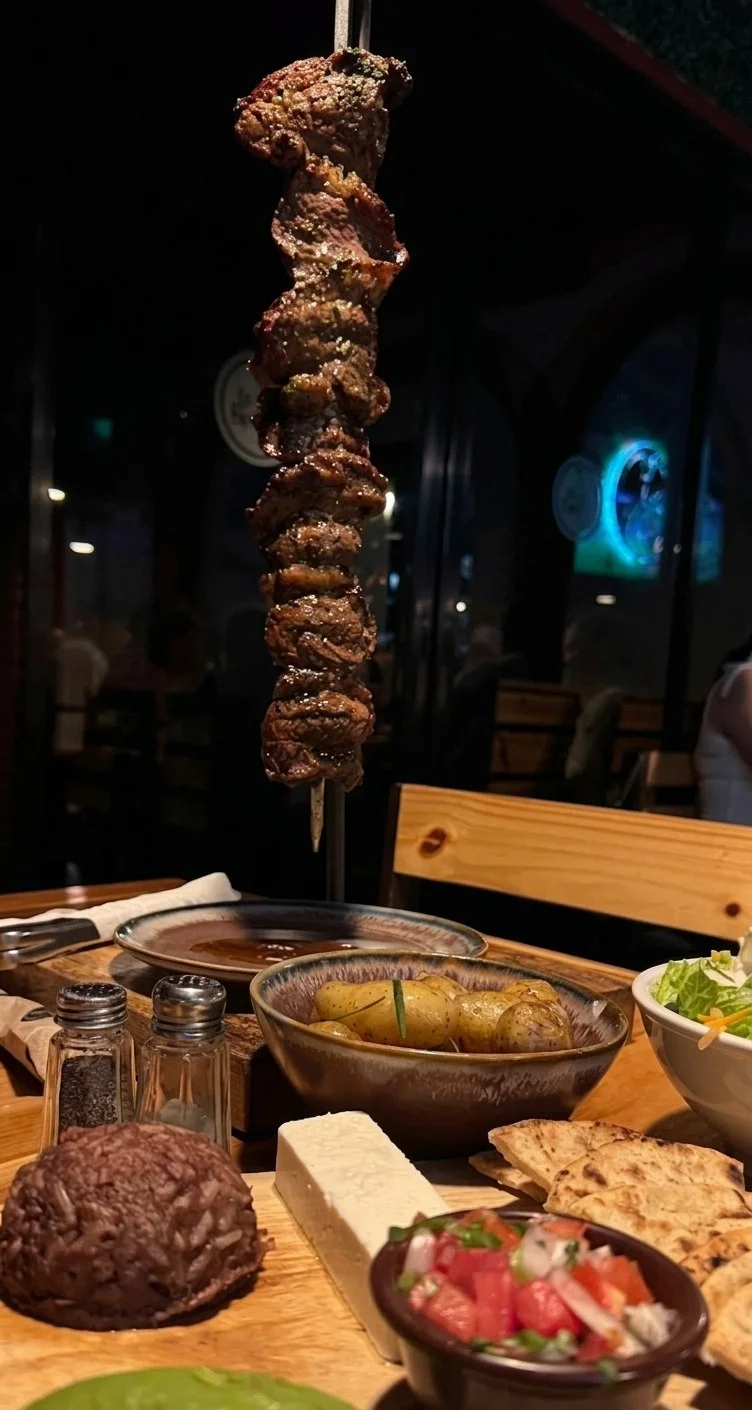
La Espetada San Benito
La Espetada San Benito
Meat restaurant on a skewer in San Benito, located on Calle Circunvalación. The signature cut is served on a spit, accompanied by side dishes.
Calle Circunvalacion 320, San Salvador 1101
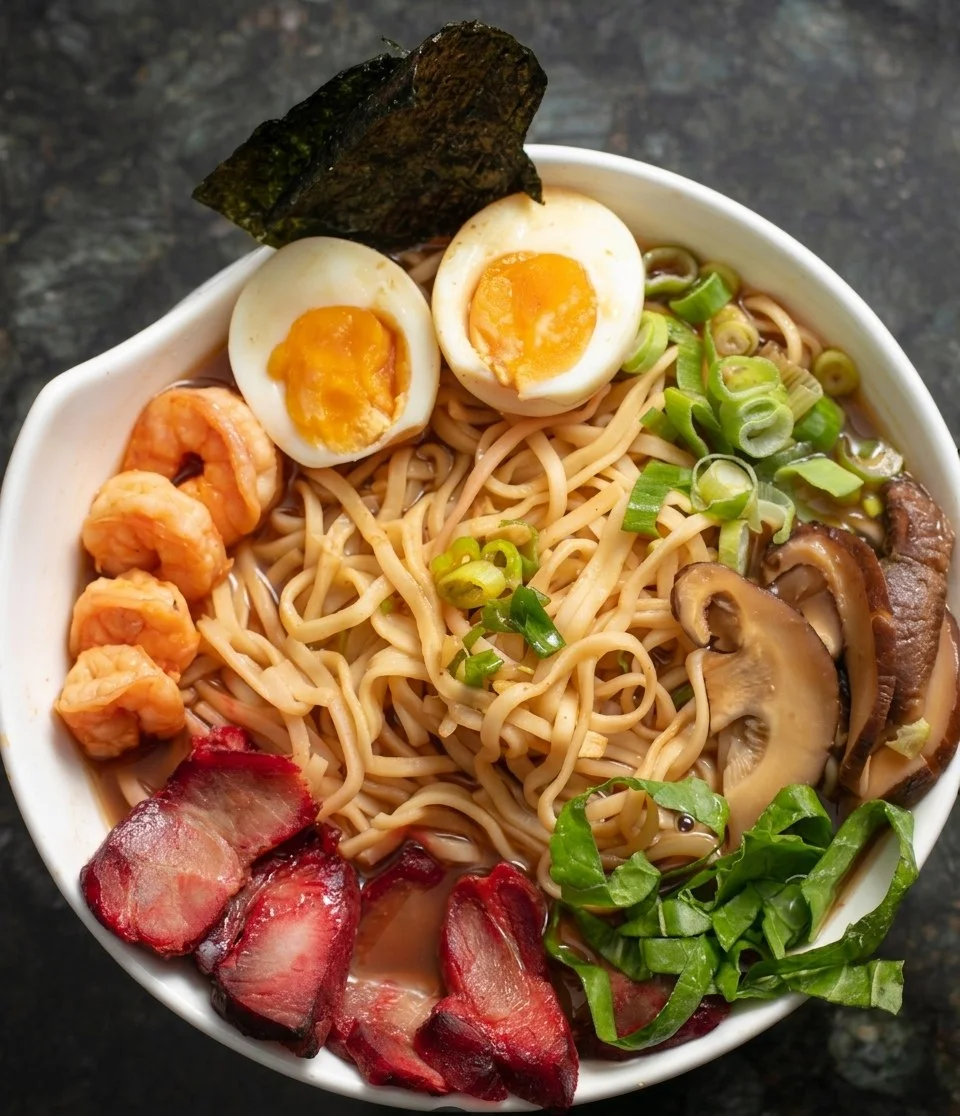
Don Li | San Benito
Don Li | San Benito
Chinese cuisine restaurant in San Benito, on the boulevard of the Hipódromo. Asian dishes in one of the restaurant areas of the capital.
Bulevar Del Hipodromo 613, San Salvador
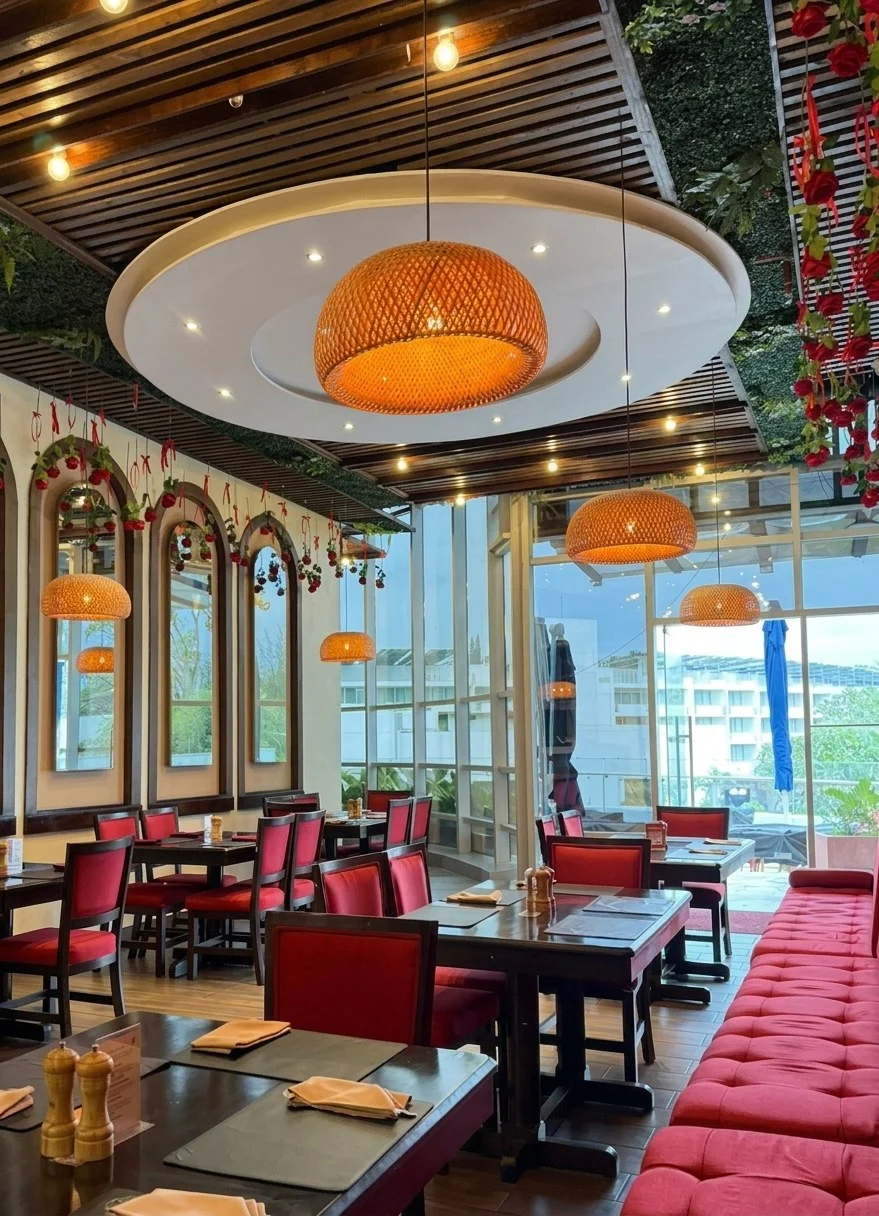
La Rueda Steakhouse | Presidente Plaza
La Rueda Steakhouse | Presidente Plaza
Steakhouse in Presidente Plaza, on Avenida de la Revolución. Cuts of meat and a classic atmosphere in the Zona Rosa of San Salvador.
Presidente Plaza, Av. De La Revolucion 3, San Salvador
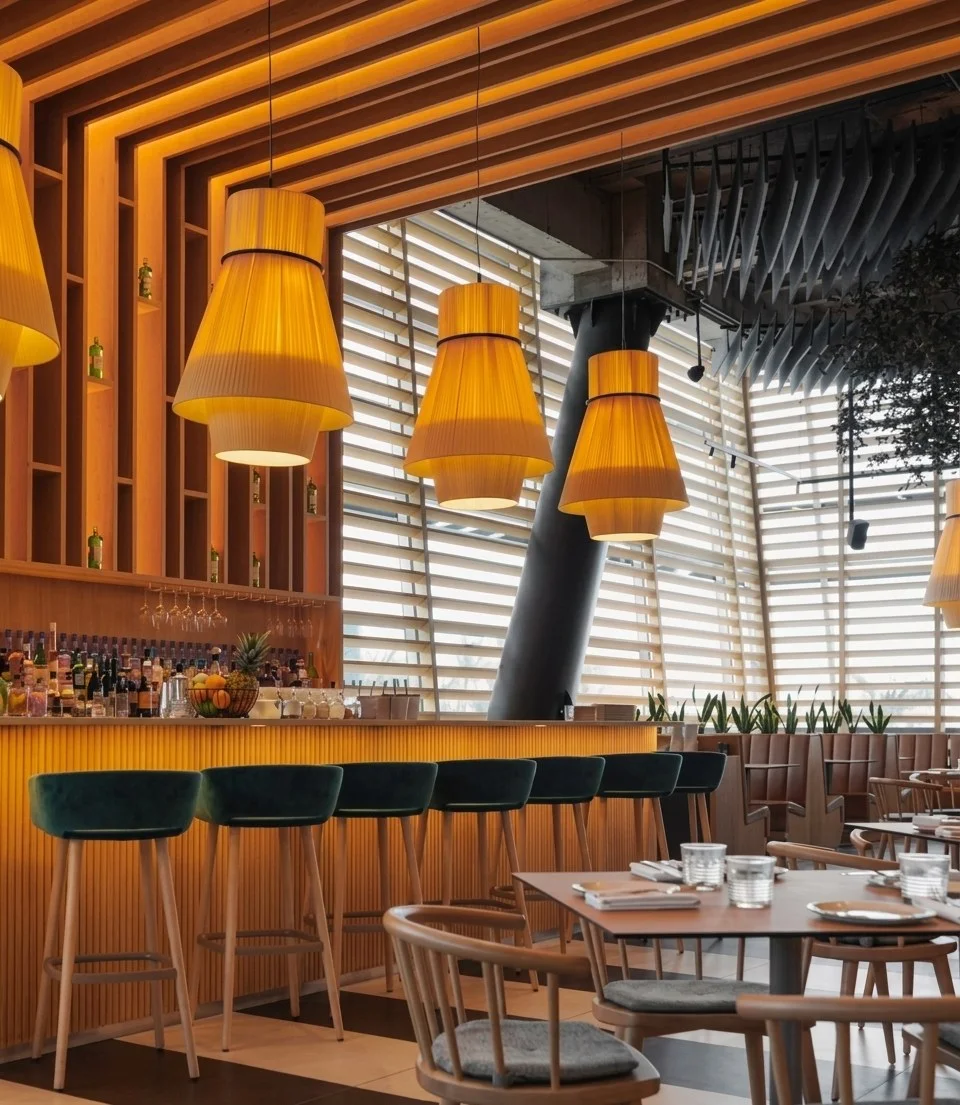
Monterosso Trattoria El Salvador
Monterosso Trattoria El Salvador
Italian trattoria in Bambú City Center, on the Hipódromo Boulevard. Pasta and Italian dishes in the gastronomic area of San Benito.
Bambú City Center, Bulevar Del Hipodromo C3, San Salvador
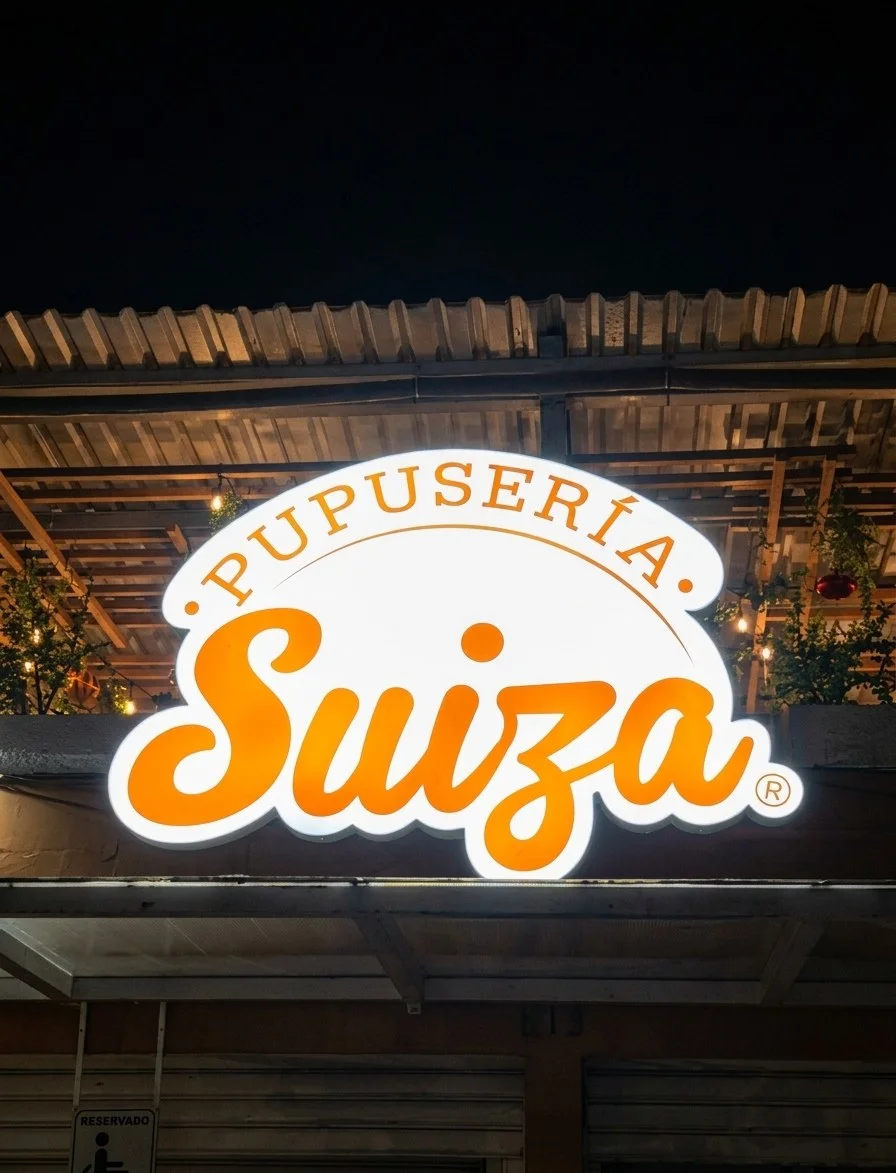
Pupusería Suiza • Escalón
Pupusería Suiza • Escalón
Pupusería in Colonia Escalón, on 101 Avenida Norte. Freshly made pupusas in one of the residential areas of the capital.
101 Avenida Nte. #615, San Salvador
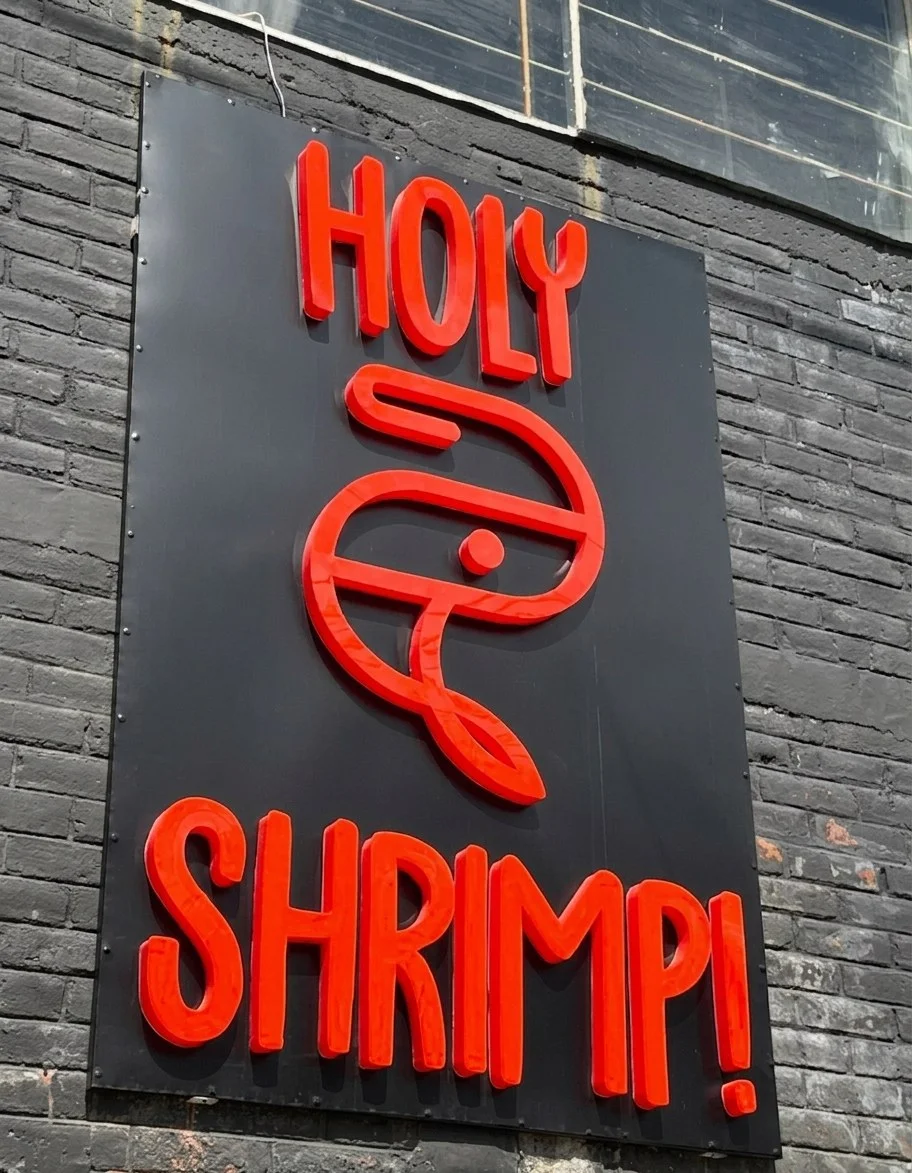
Holy Shrimp!
Holy Shrimp!
Seafood restaurant in Colonia Escalón, on 91st North Avenue. Shrimp and seafood dishes in a casual atmosphere.
91 Avenida Nte., San Salvador 1101
Cafés & Bars
Tap a card for more info and location
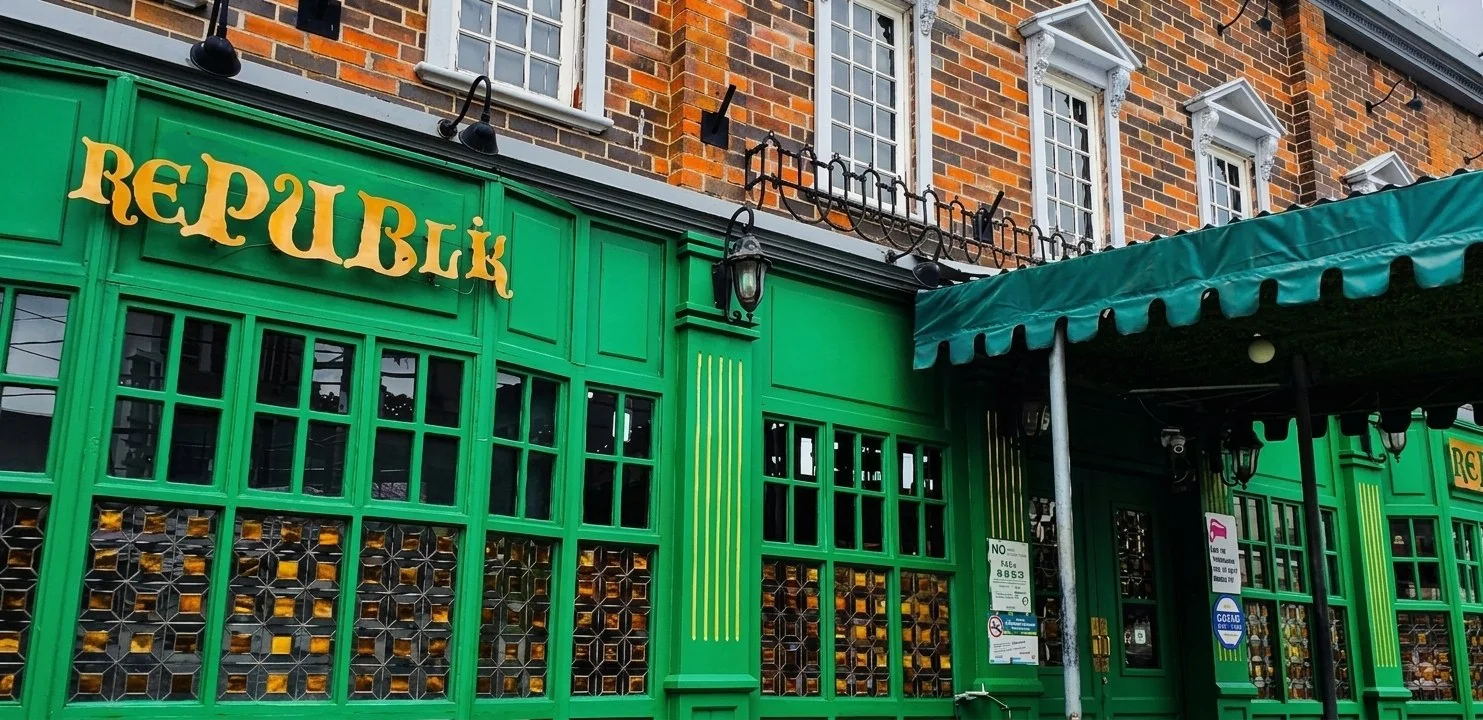
Republik Bar
Republik Bar
Bar on La Reforma Street, near the Zona Rosa of San Salvador. Nightlife atmosphere with music and drinks in the San Benito area.
Calle La Reforma 243-247, San Salvador
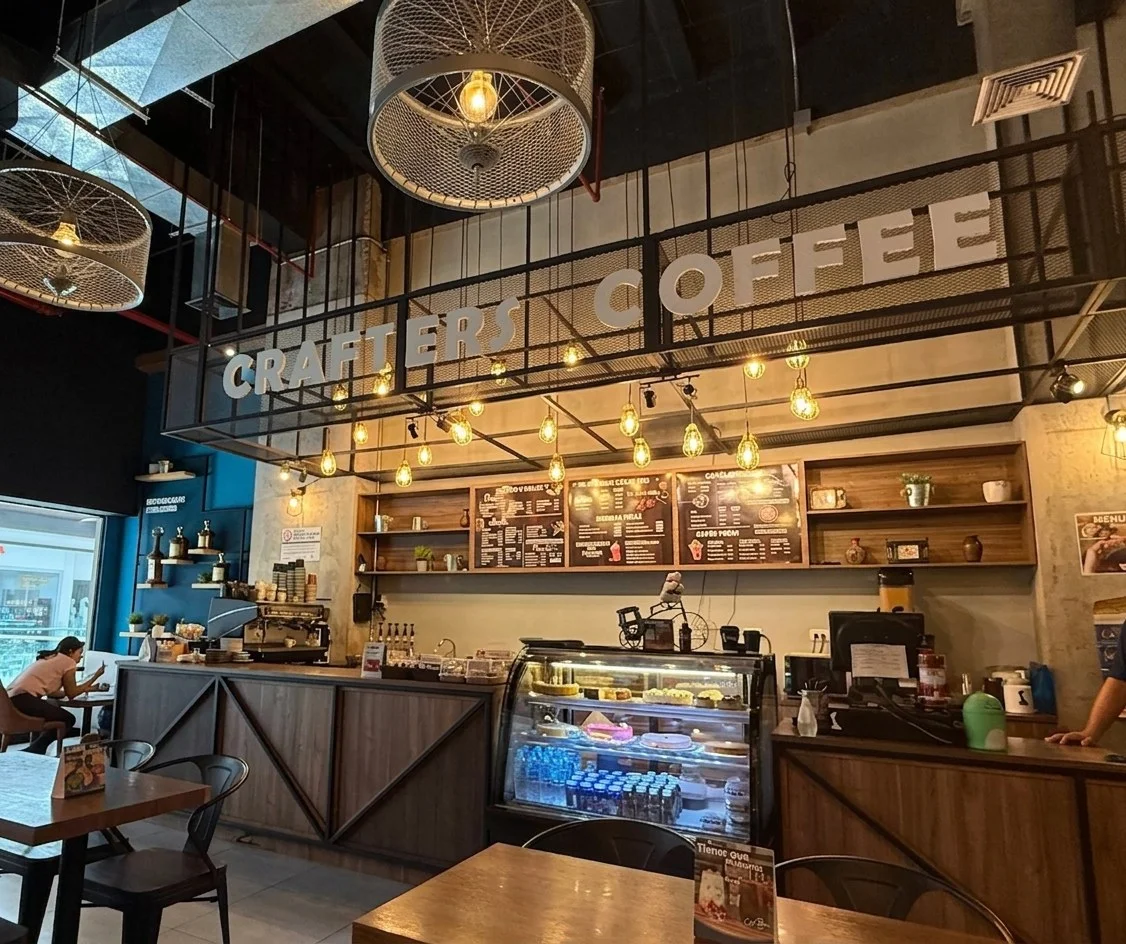
Crafters Coffee • Bambu
Crafters Coffee • Bambu
Specialty coffee shop in Bambú City Center, in San Benito. Origin coffee and pastries in the gastronomic area of the capital.
Bambu City Center, Bulevar Del Hipodromo, San Salvador
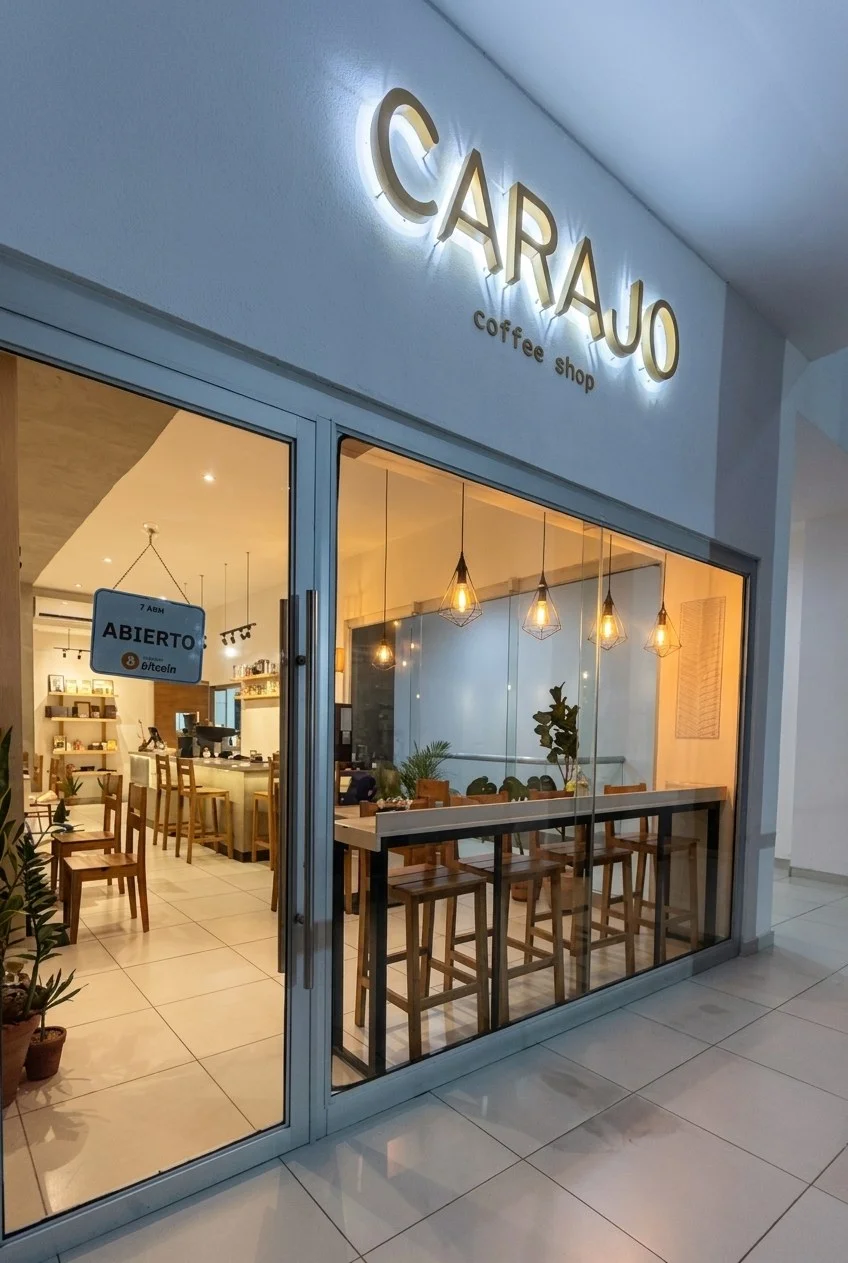
CARAJO Coffee Shop
CARAJO Coffee Shop
Specialty coffee shop in Colonia La Mascota, near Escalón. Origin coffee in a modern space in San Salvador.
Plaza 13-G, C. La Mascota, San Salvador
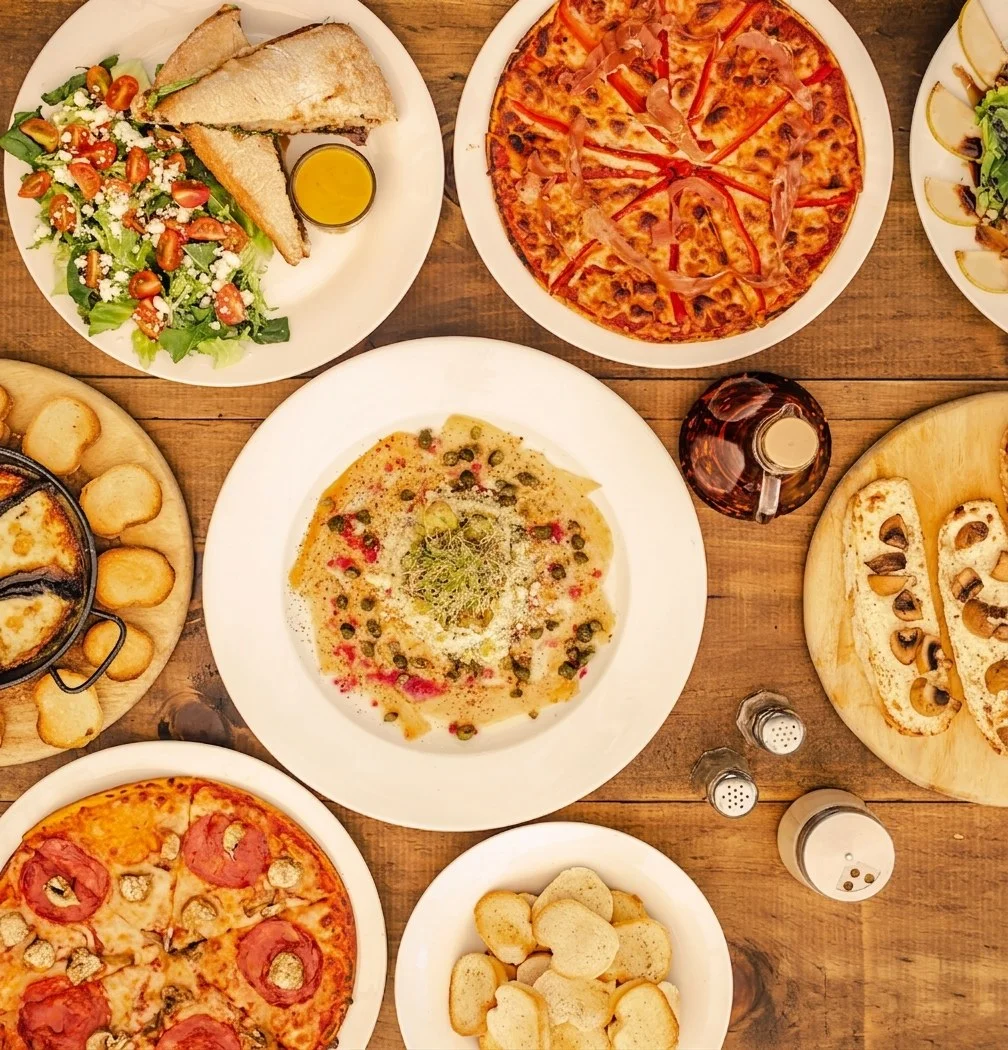
Biscuit To Go
Biscuit To Go
Café and pastry shop on Avenida El Almendro, in San Benito. Bakery and coffee in the gastronomic area of San Salvador.
Avenida El Almendro 1, San Salvador
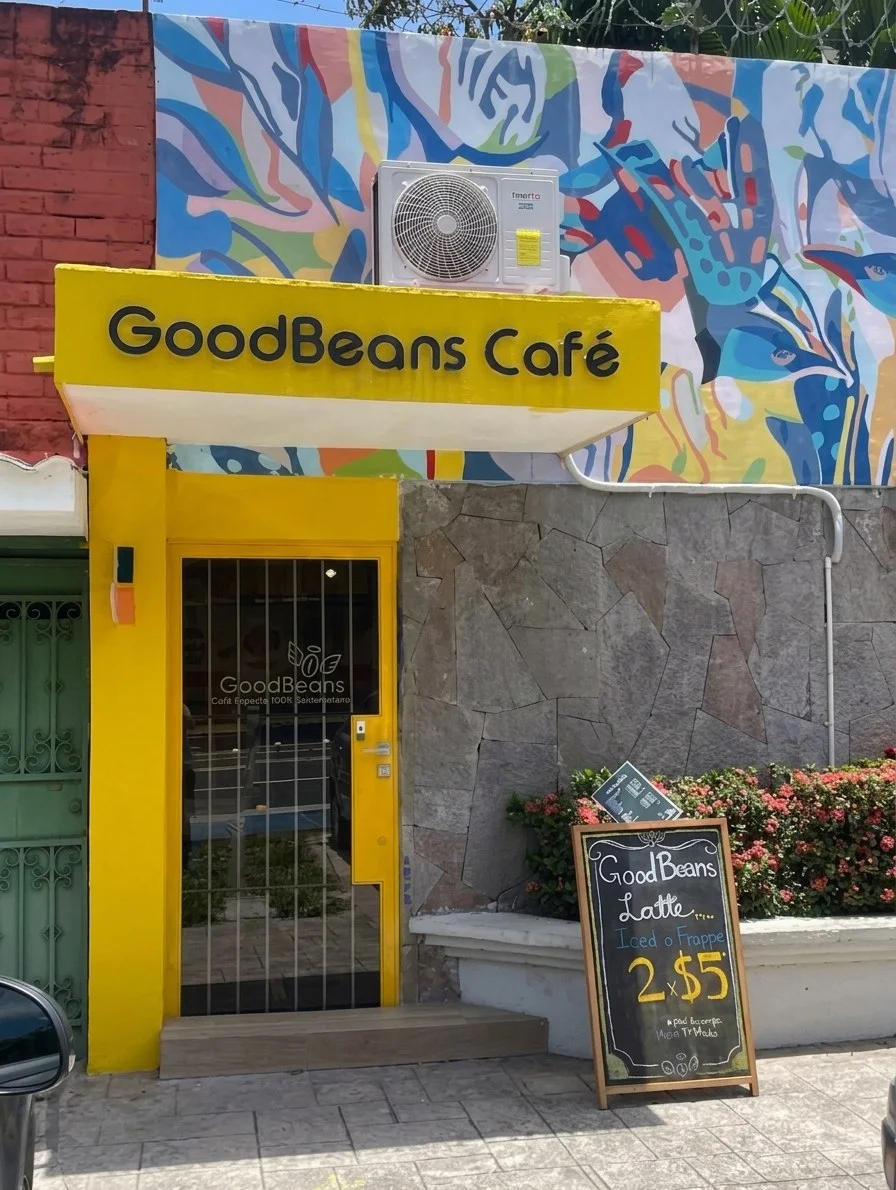
Good Beans El Salvador Coffee Roasters
Good Beans El Salvador Coffee Roasters
Roastery and café on the Boulevard del Hipódromo, in San Benito. Salvadoran origin coffee roasted in-house.
Bulevar Del Hipodromo 537, San Salvador
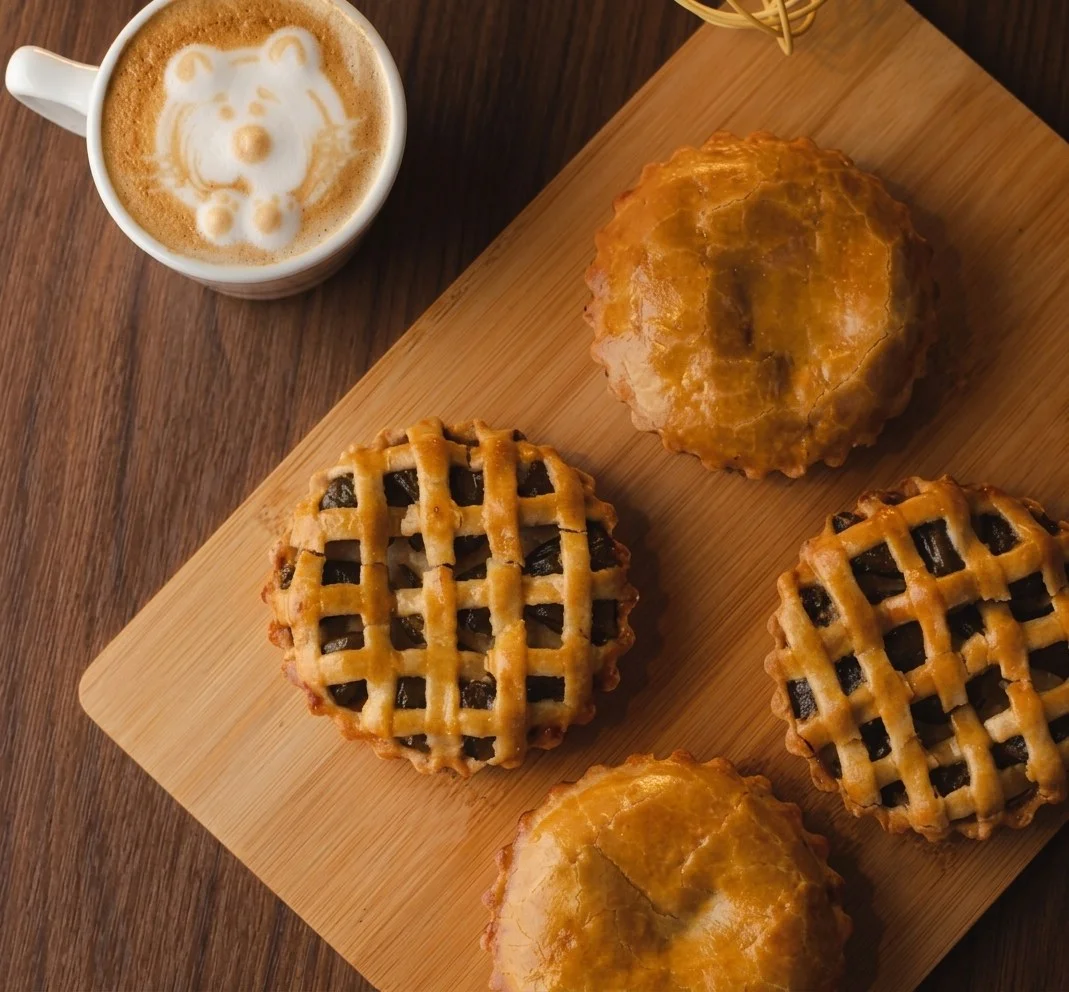
Le Bistró-Café • Millennium Plaza
Le Bistró-Café • Millennium Plaza
Bistro café in Millennium Plaza, on Paseo General Escalón. Coffee, breakfasts, and pastries in a commercial area of the capital.
Millenium Plaza, P.º Gral. Escalón, San Salvador
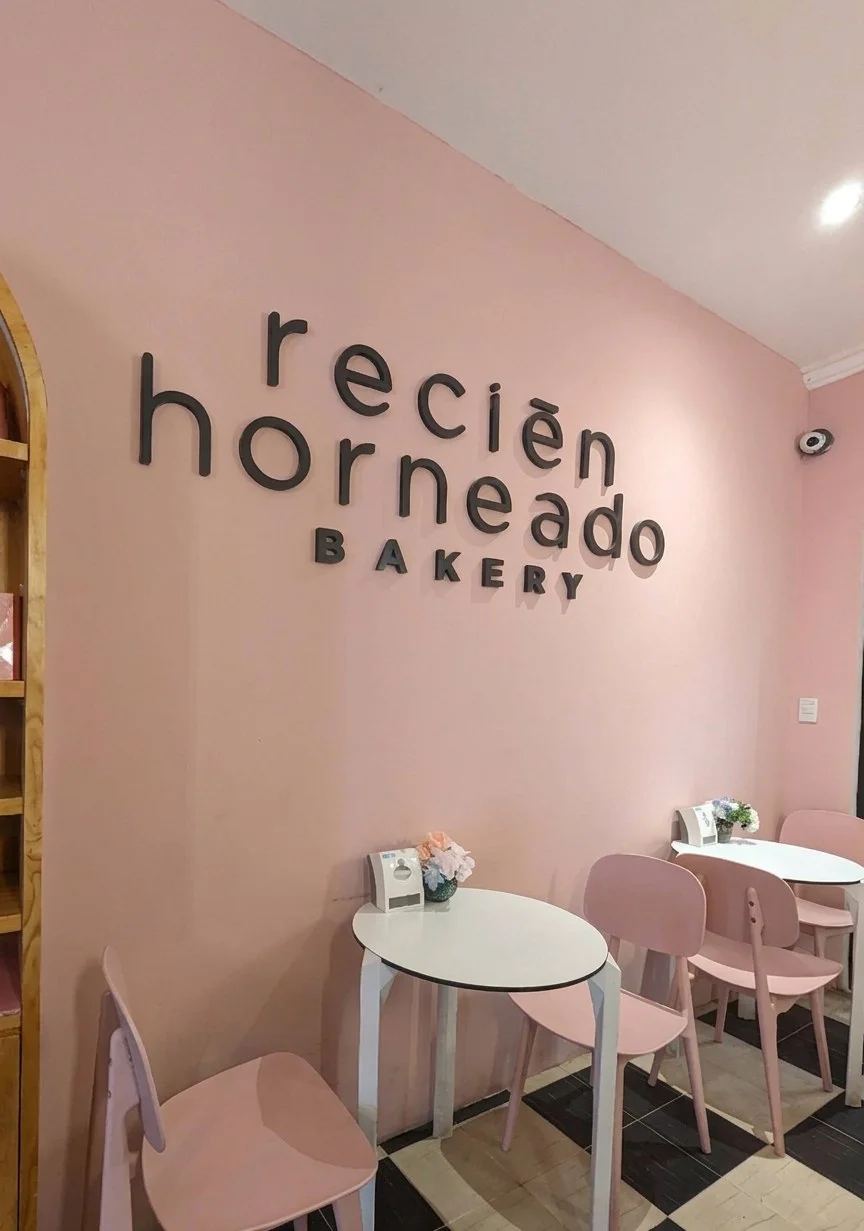
Recién Horneado Bakery • San Benito
Recién Horneado Bakery • San Benito
Bakery and café on the Boulevard del Hipódromo, in San Benito. Freshly baked bread and coffee in the gastronomic area of the capital.
Bulevar Del Hipodromo 615, San Salvador

Where to stay
Tap a card for more info and location
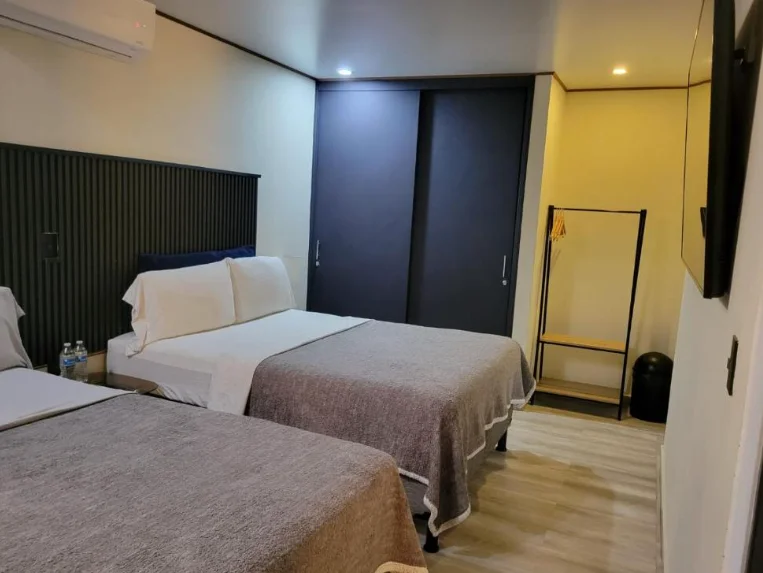
Green life San Salvador
Green life San Salvador
Hostel on Avenida Vista Hermosa, in San Salvador. Affordable and simple accommodation, a great option for budget travelers.
Ave Vista Hermosa 269, San Salvador
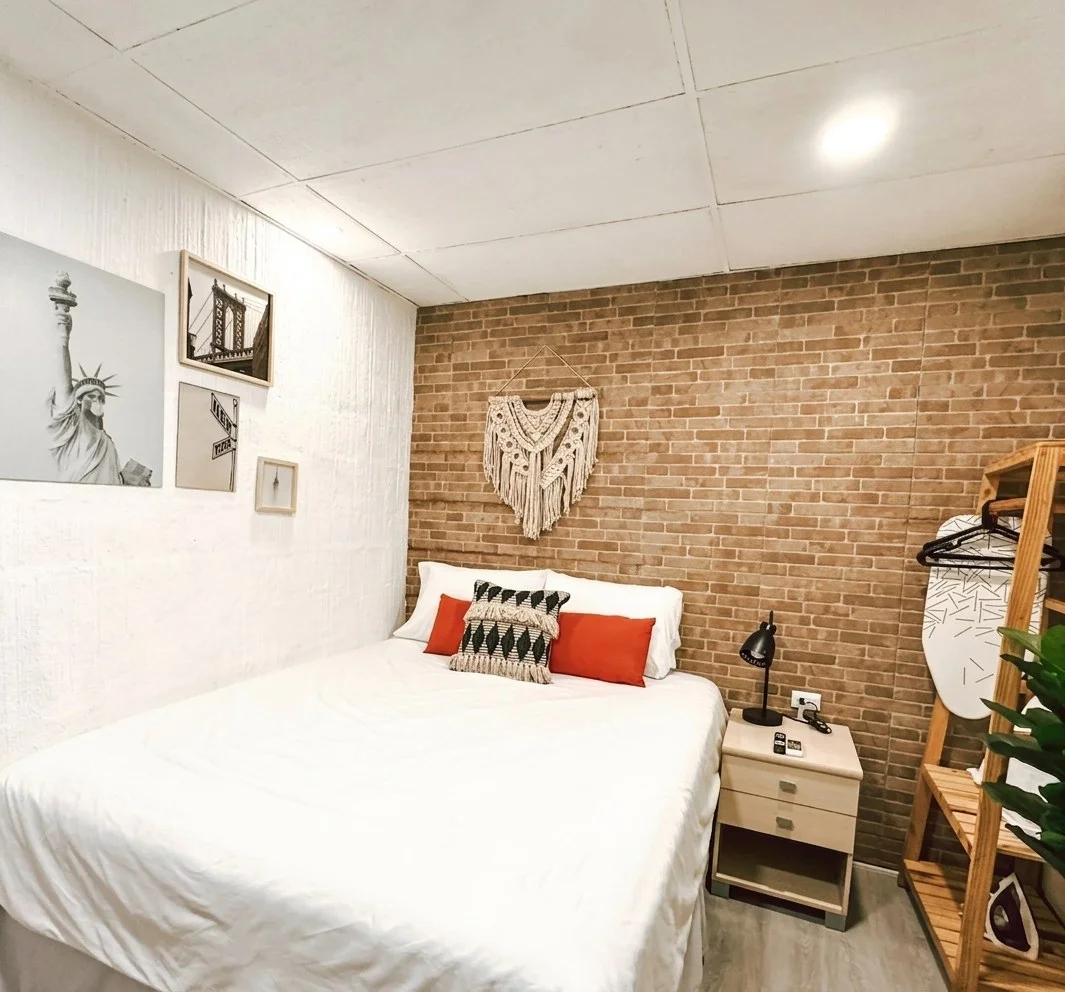
Casa 46 | Escalón
Casa 46 | Escalón
Boutique hotel in Colonia Escalón, on 3rd East Street. Accommodation in a quiet and well-located residential area of San Salvador.
3ra Calle Poniente Casa 46, San Salvador
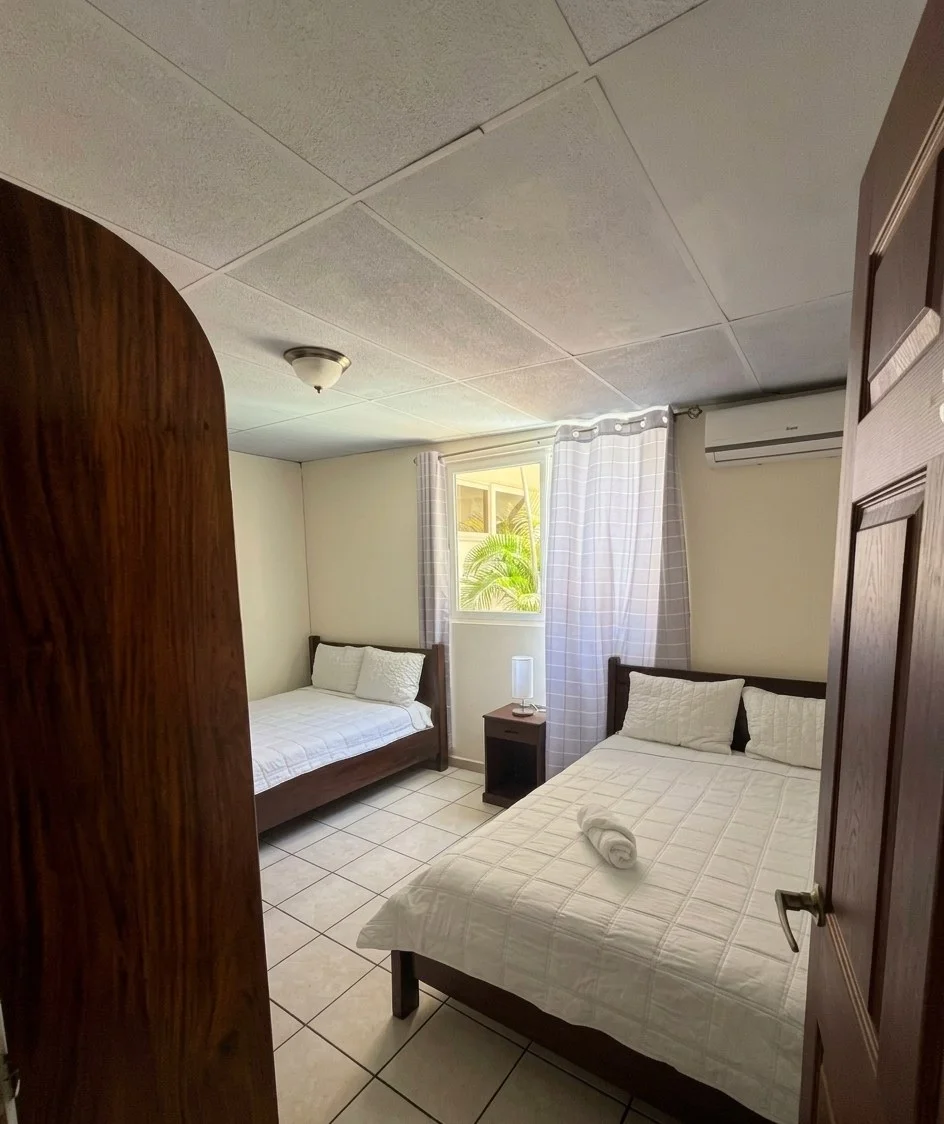
Hotel Sueños
Hotel Sueños
Hotel in Colonia Escalón, on Calle del Mirador. Comfortable accommodation in one of the upscale residential areas of the capital.
Calle del mirador 4323, San Salvador
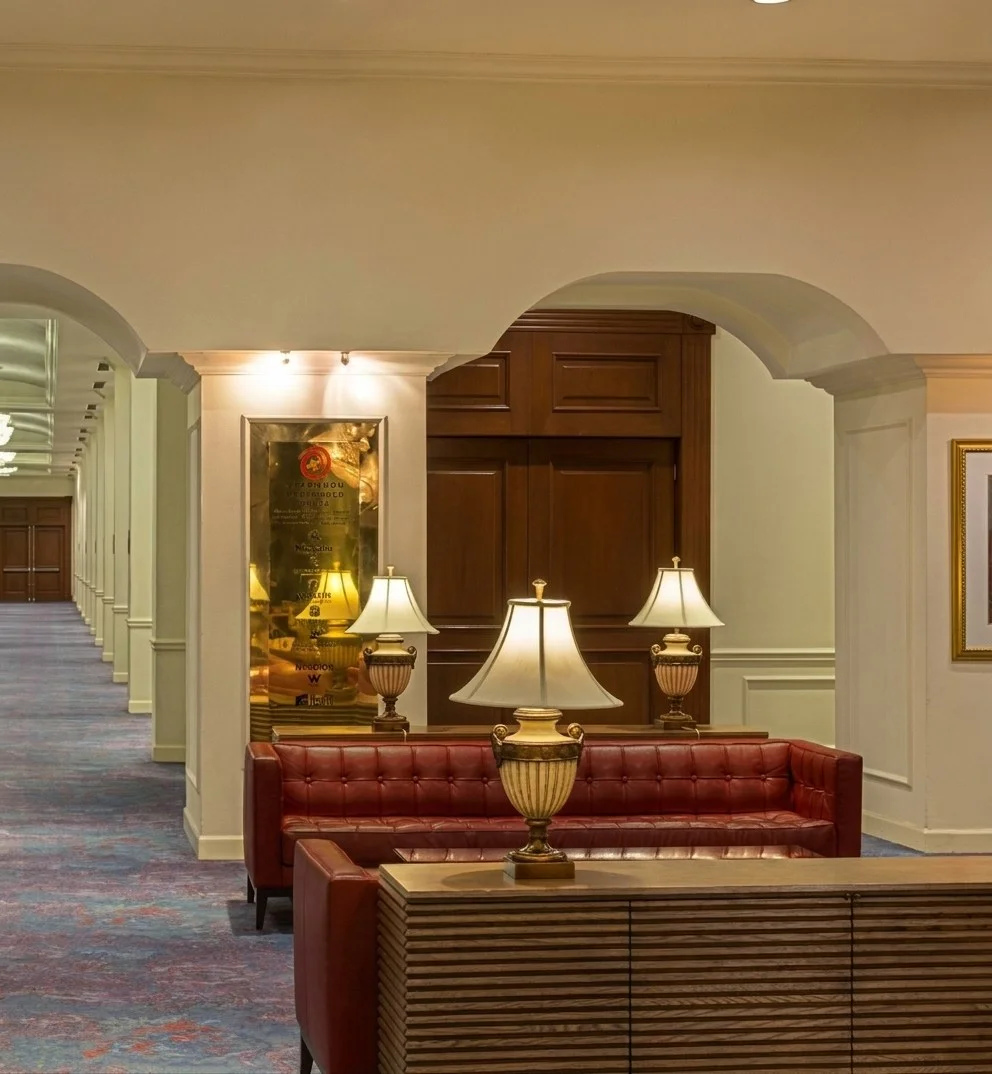
Hotel Sheraton Presidente, El Salvador
Hotel Sheraton Presidente, El Salvador
International chain hotel on Avenida de la Revolución, in the Zona Rosa. One of the reference hotels in San Salvador, offering extensive services.
Avenida De La Revolucion, San Salvador
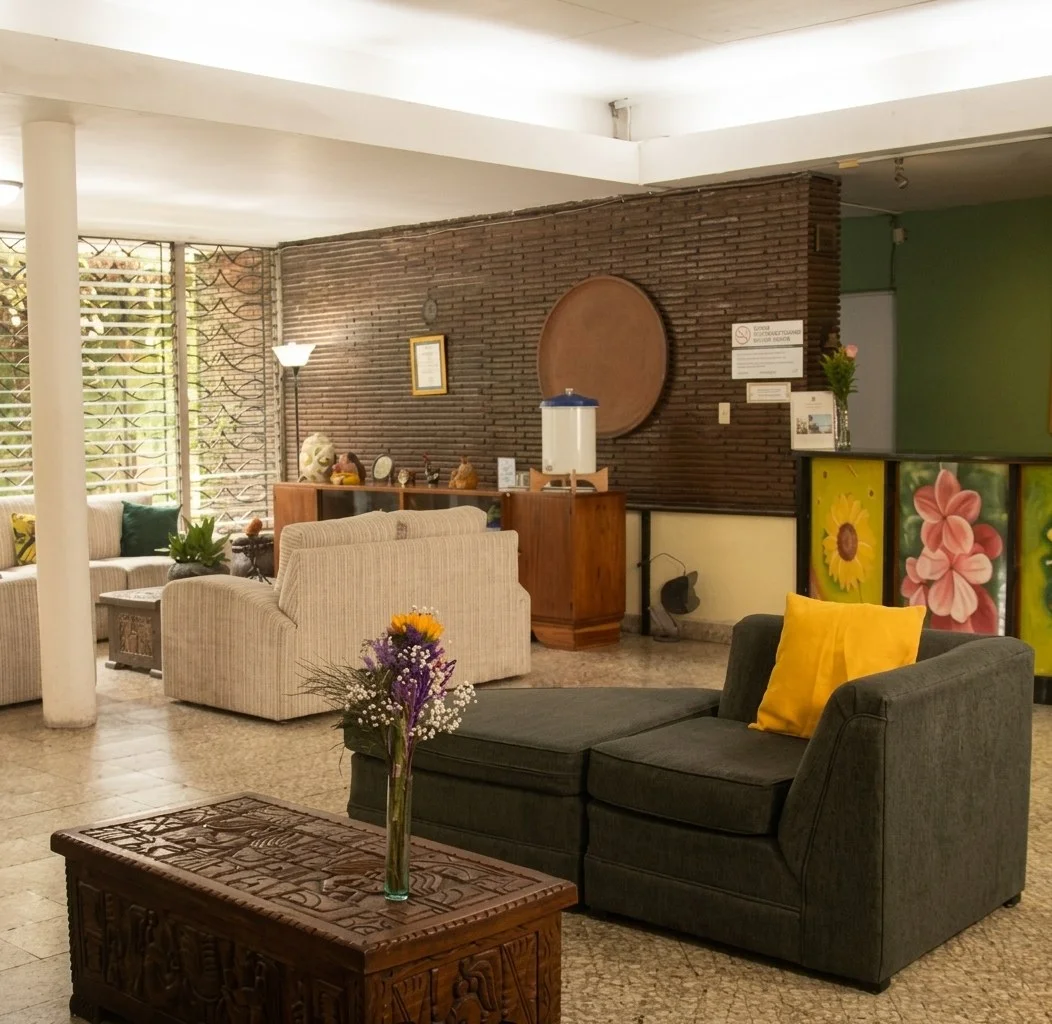
Eco Hotel Mariscal
Eco Hotel Mariscal
Hotel on Paseo General Escalón. Practical accommodation on one of the main commercial avenues of San Salvador.
P.º Gral. Escalón 3658, San Salvador 1101
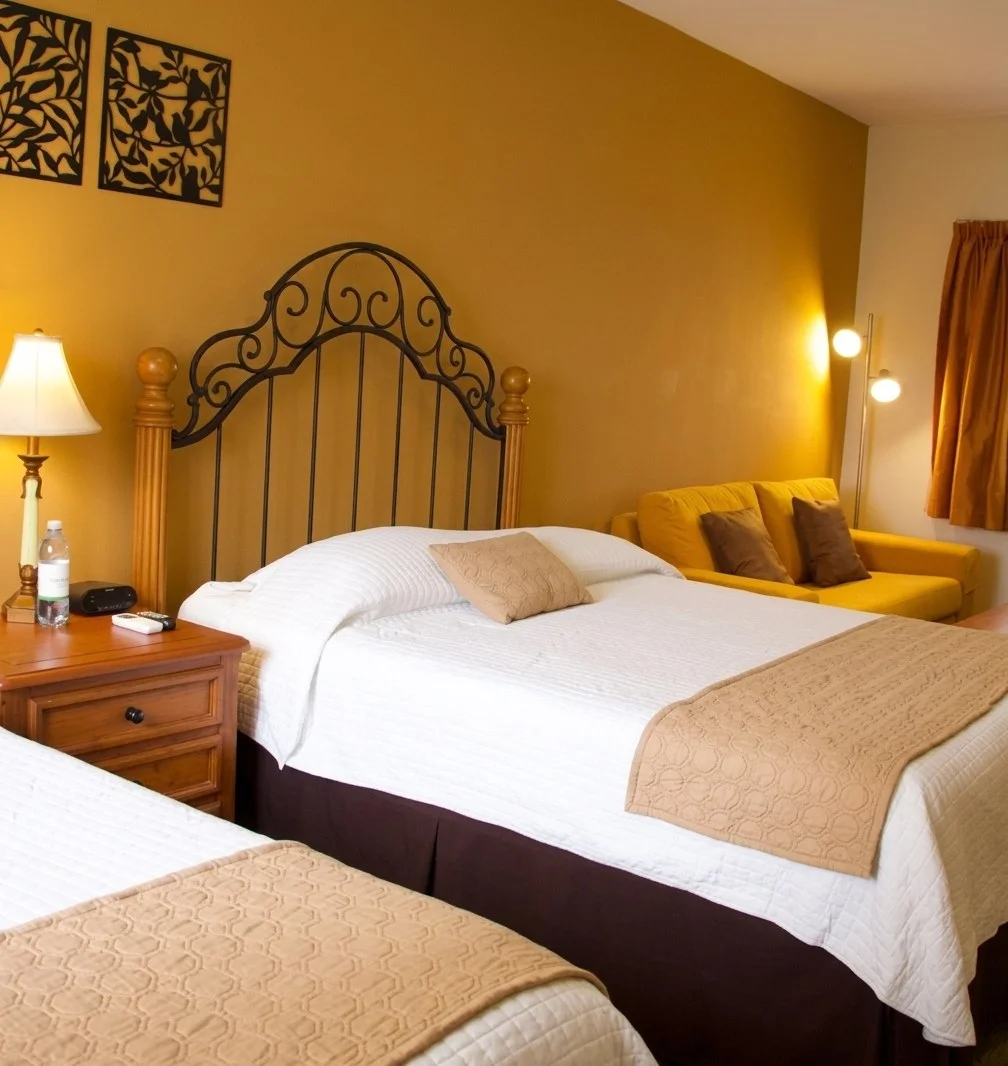
Las Magnolias | Hotel Boutique
Las Magnolias | Hotel Boutique
Boutique hotel on Avenida Las Magnolias, near the Zona Rosa. Stylish accommodation in the San Benito area.
Av. Las Magnolias #226, San Salvador
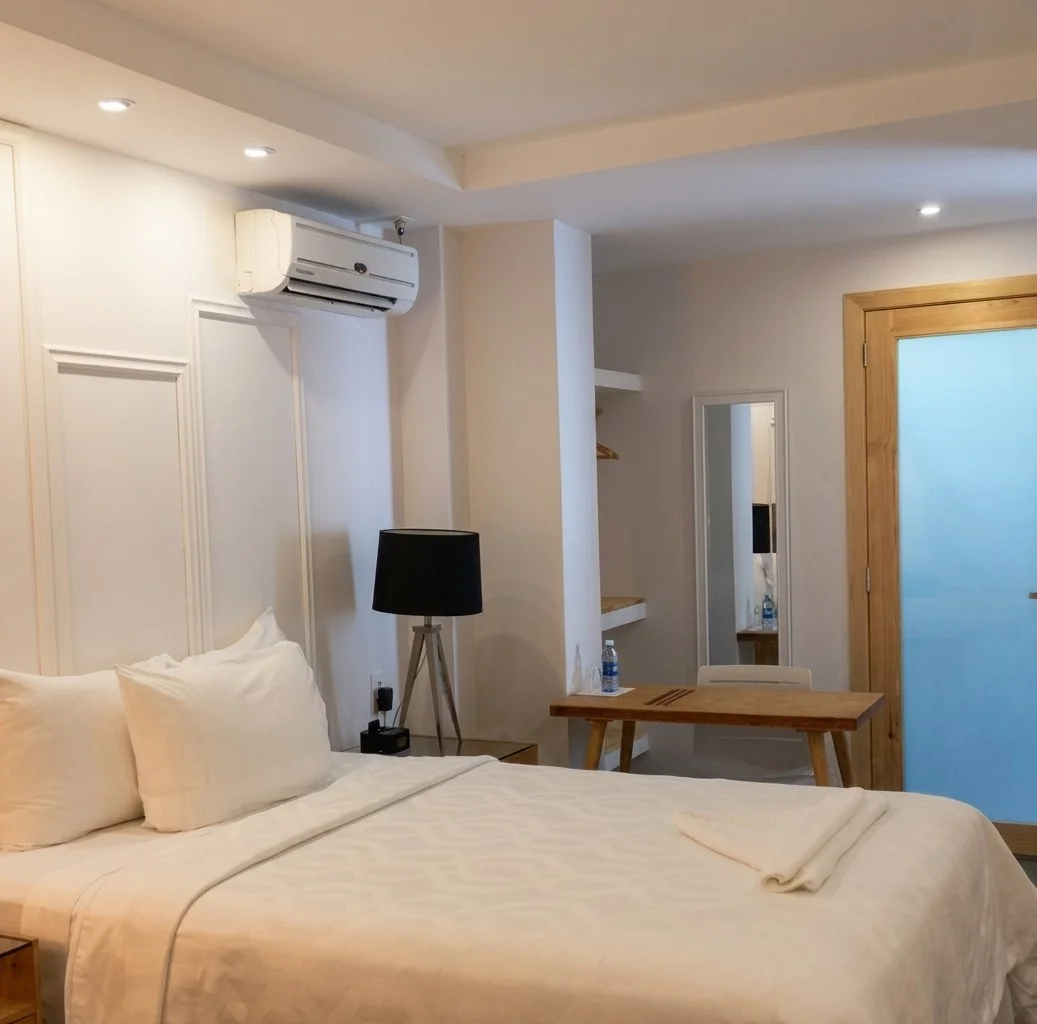
Kaleo Hotel Boutique
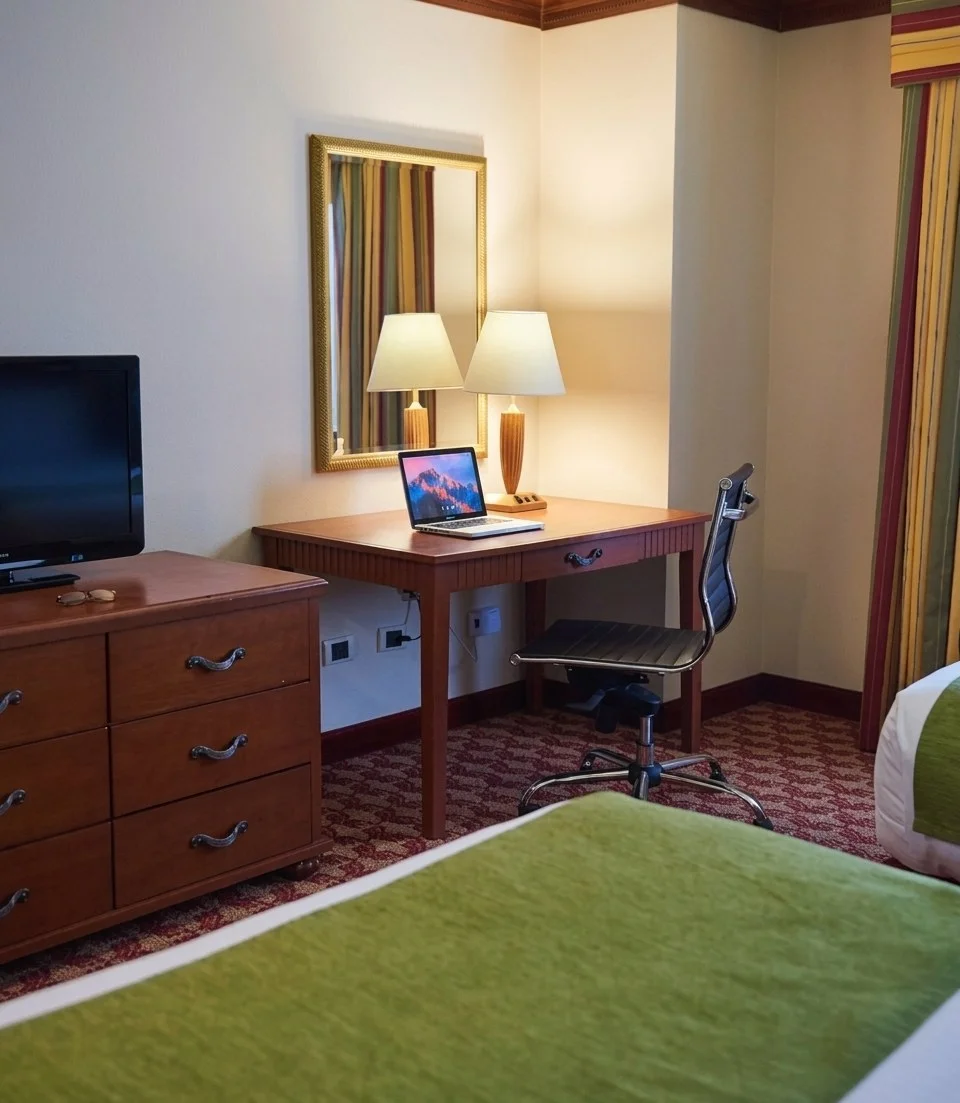
Suites Las Palmas, Hotel & Apartments
Suites Las Palmas, Hotel & Apartments
Suite and apartment hotel on the Boulevard del Hipódromo, in San Benito. Option for short and long stays near the Zona Rosa.
Bulevar Del Hipodromo, San Salvador
Highlights
Snapshots that tell the story of San Salvador.
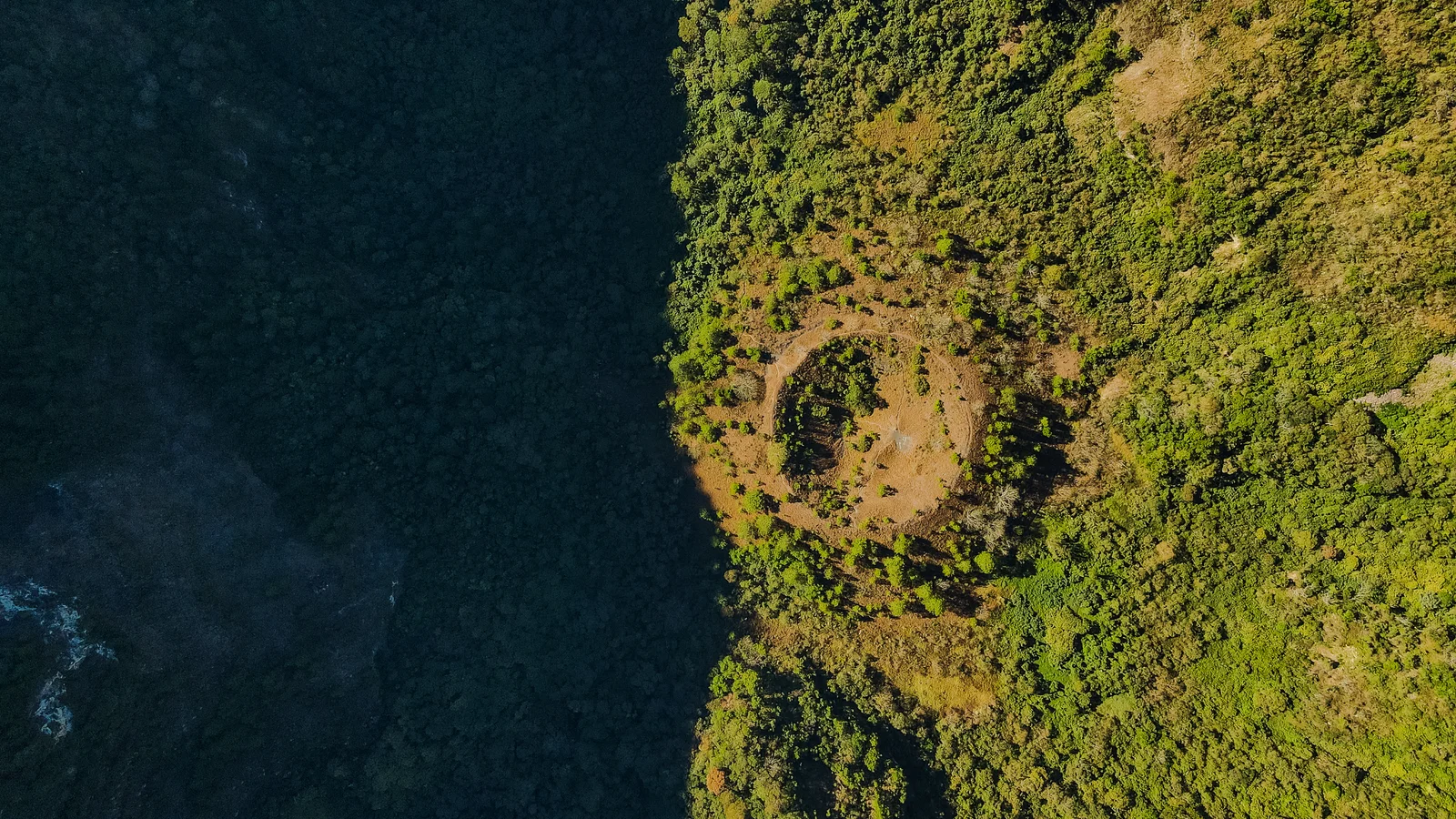 Nature
01 / 10
San Salvador Volcano
The volcano that crowns San Salvador, with a crater and a culinary corridor.
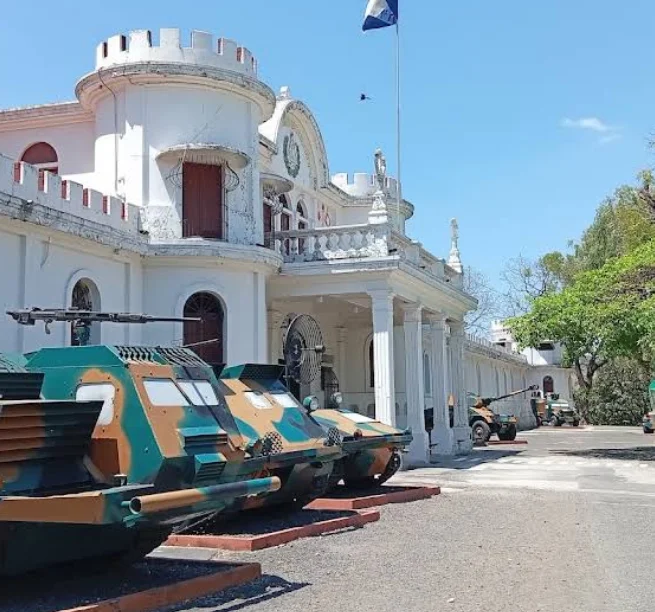 Museum
02 / 10
San Jacinto Exhibition Hall
Cultural space in the historic San Jacinto neighborhood.
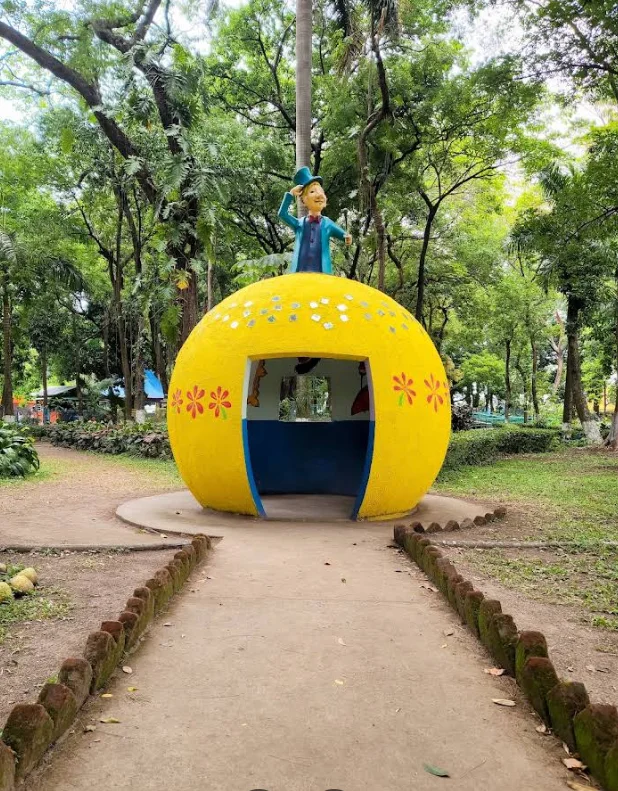 Park
Park03 / 10
Children's Amusement Park
The classic playground of San Salvador.
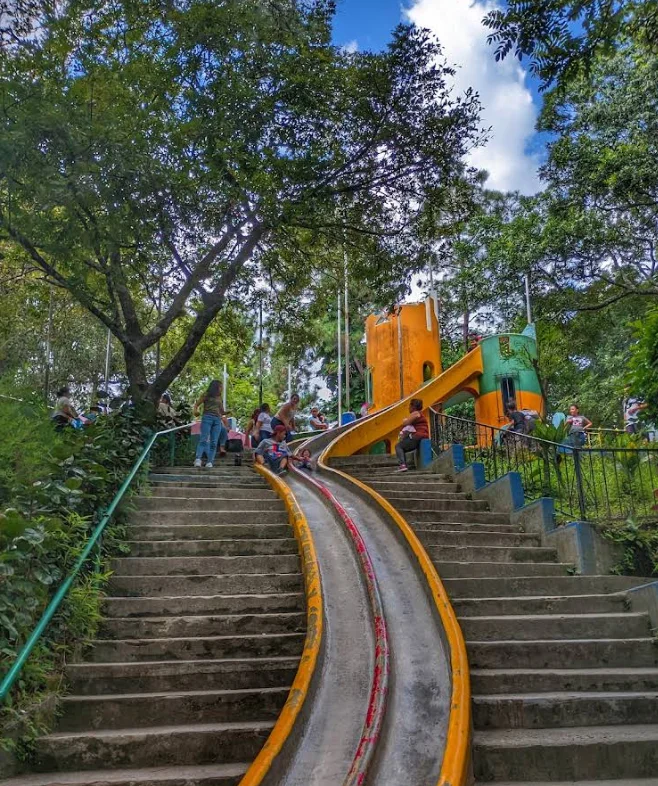 Museum
04 / 10
Saburo Hirao Park
Park and natural history museum on the southern slope of the capital.
 Viewpoint
05 / 10
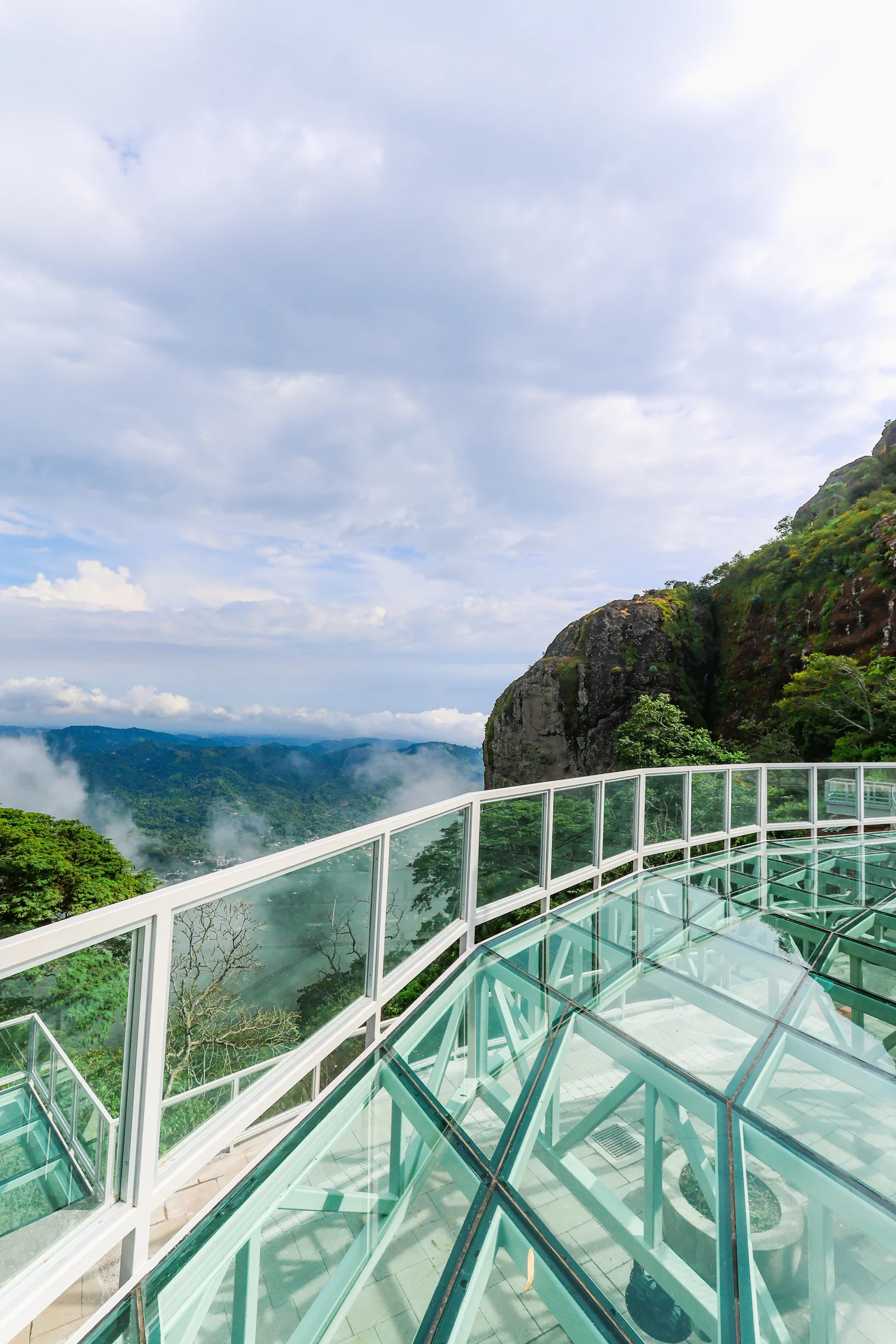
Devil's Door Natural Park
The viewpoint of Roca Partida over the hills to the south of the capital.
 Archaeological Site
06 / 10
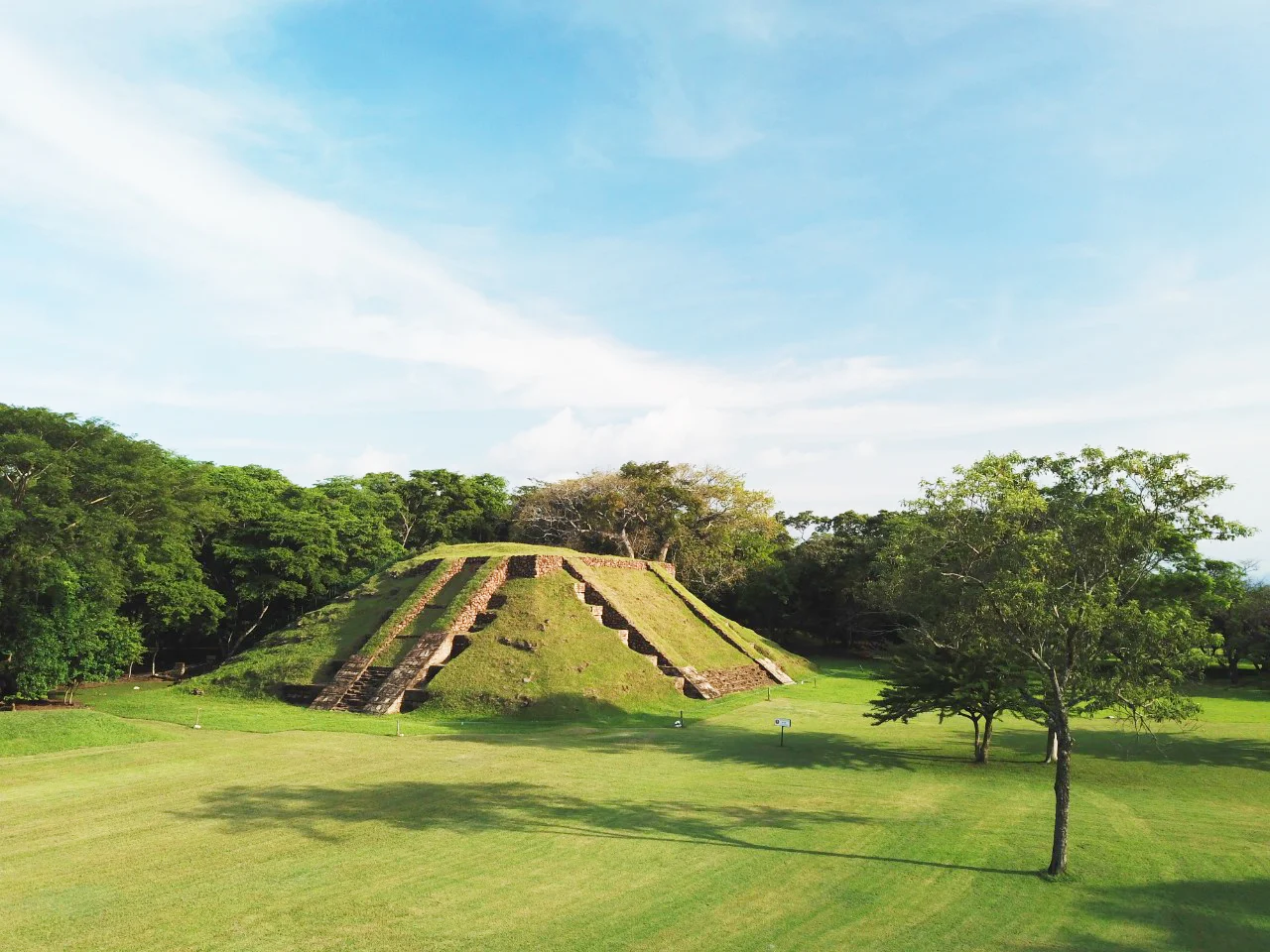
Cihuatán
A city of nearly 300 hectares destroyed and abandoned around the year 1200.
 Cultural Heritage
07 / 10
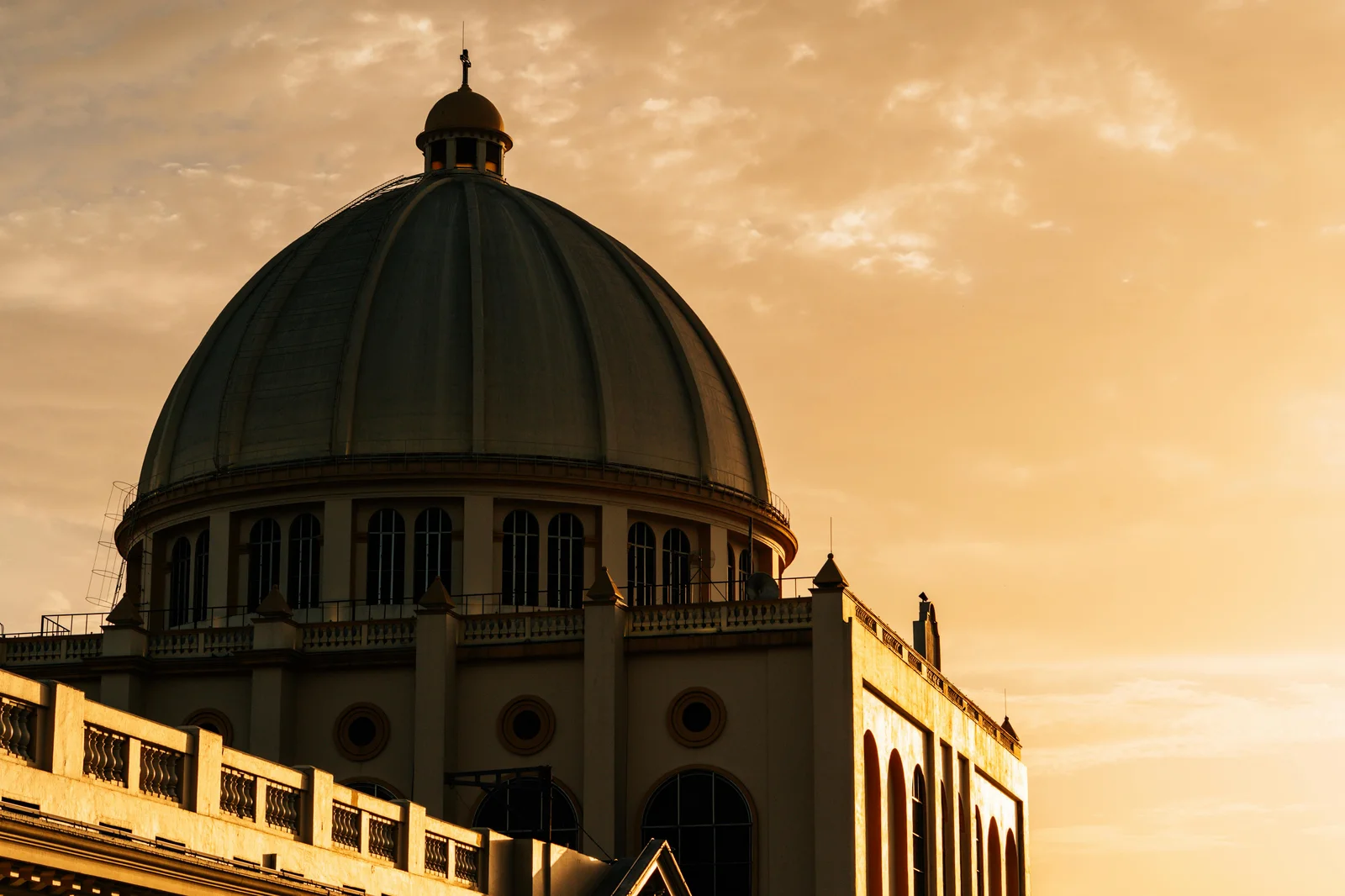
Historic Center of San Salvador
The historical and civic heart of the Salvadoran capital.
 Park
Park08 / 10
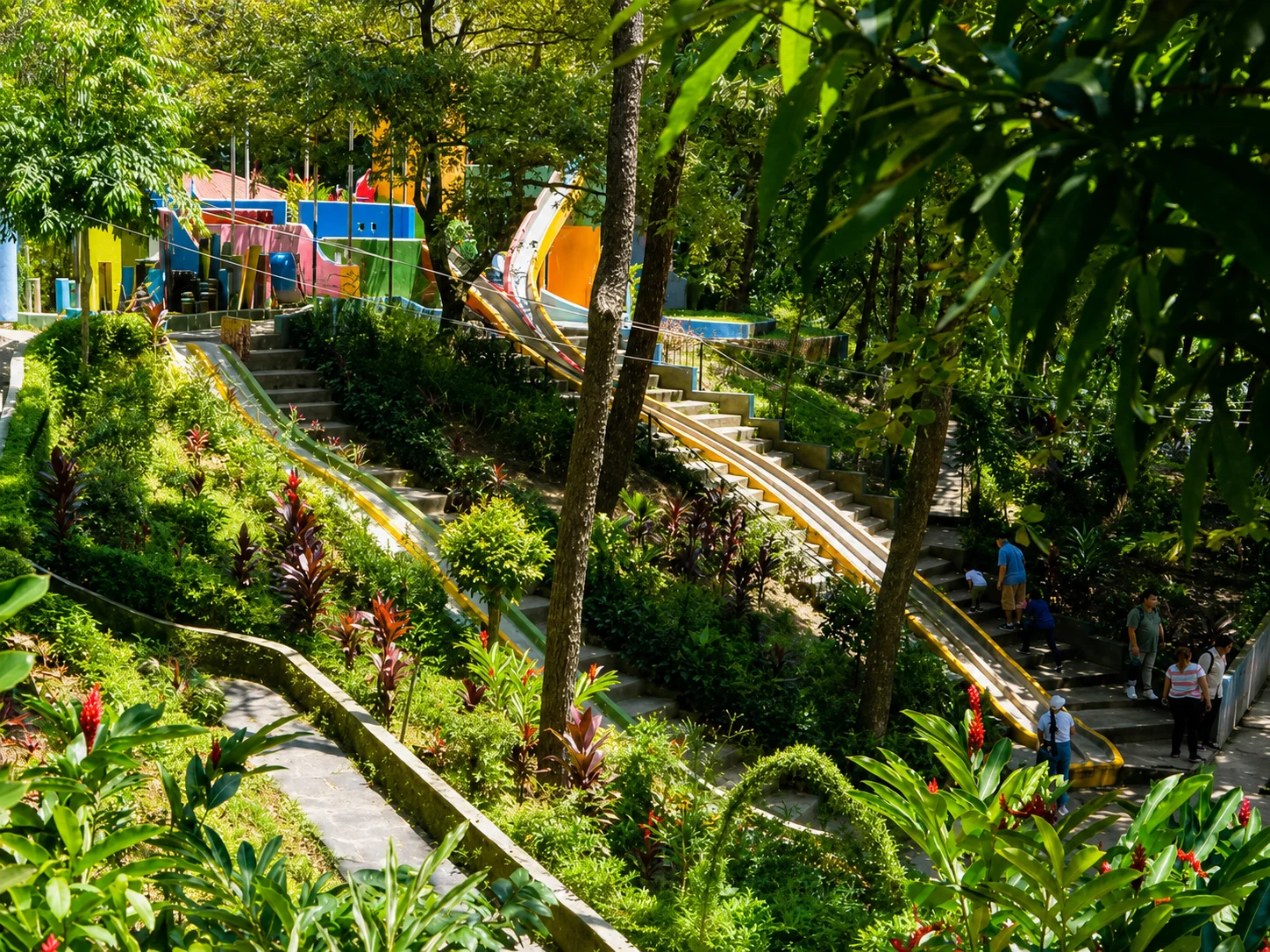
Balboa Park
The green lung over San Salvador.
 Monument
09 / 10
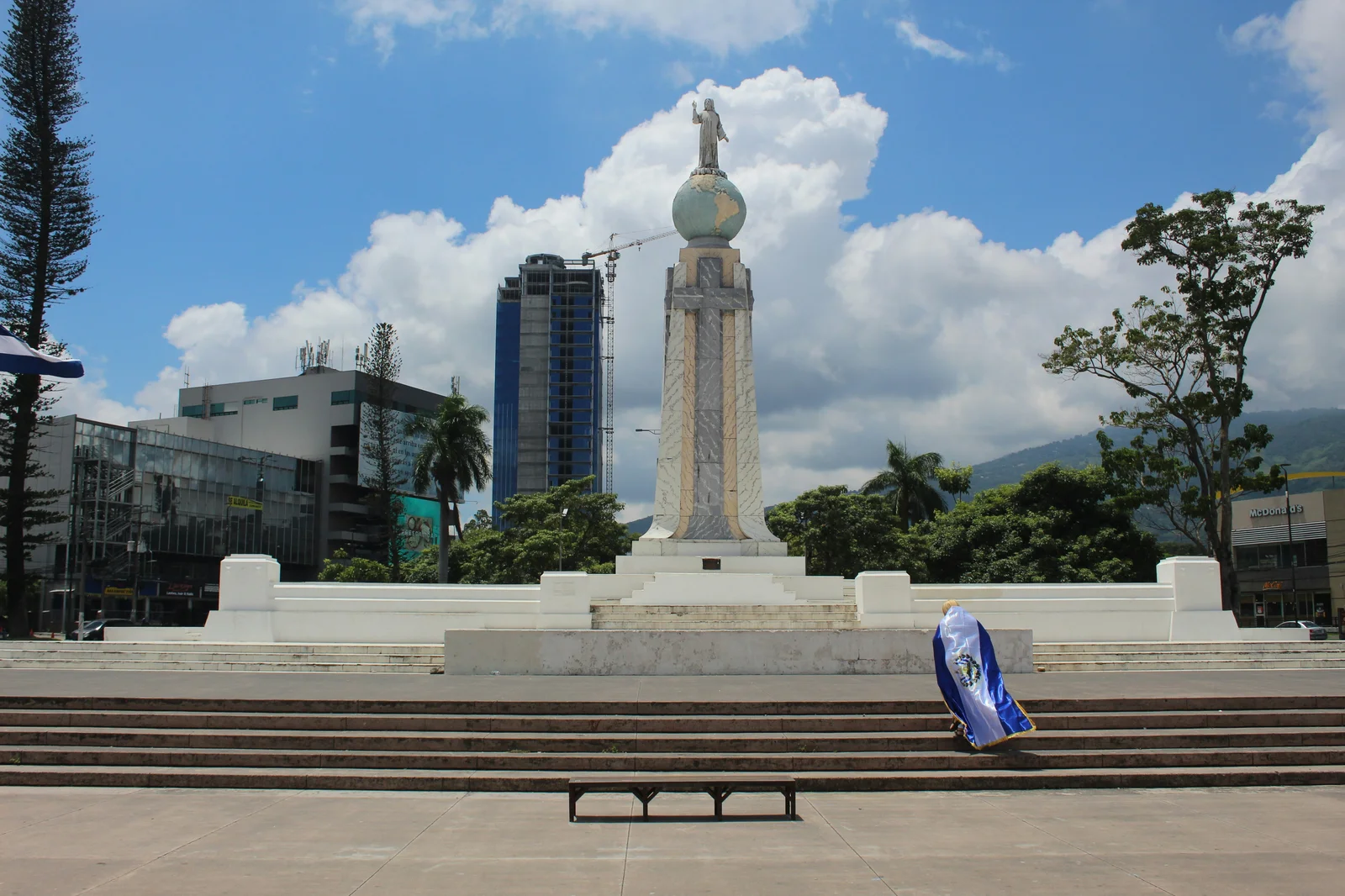
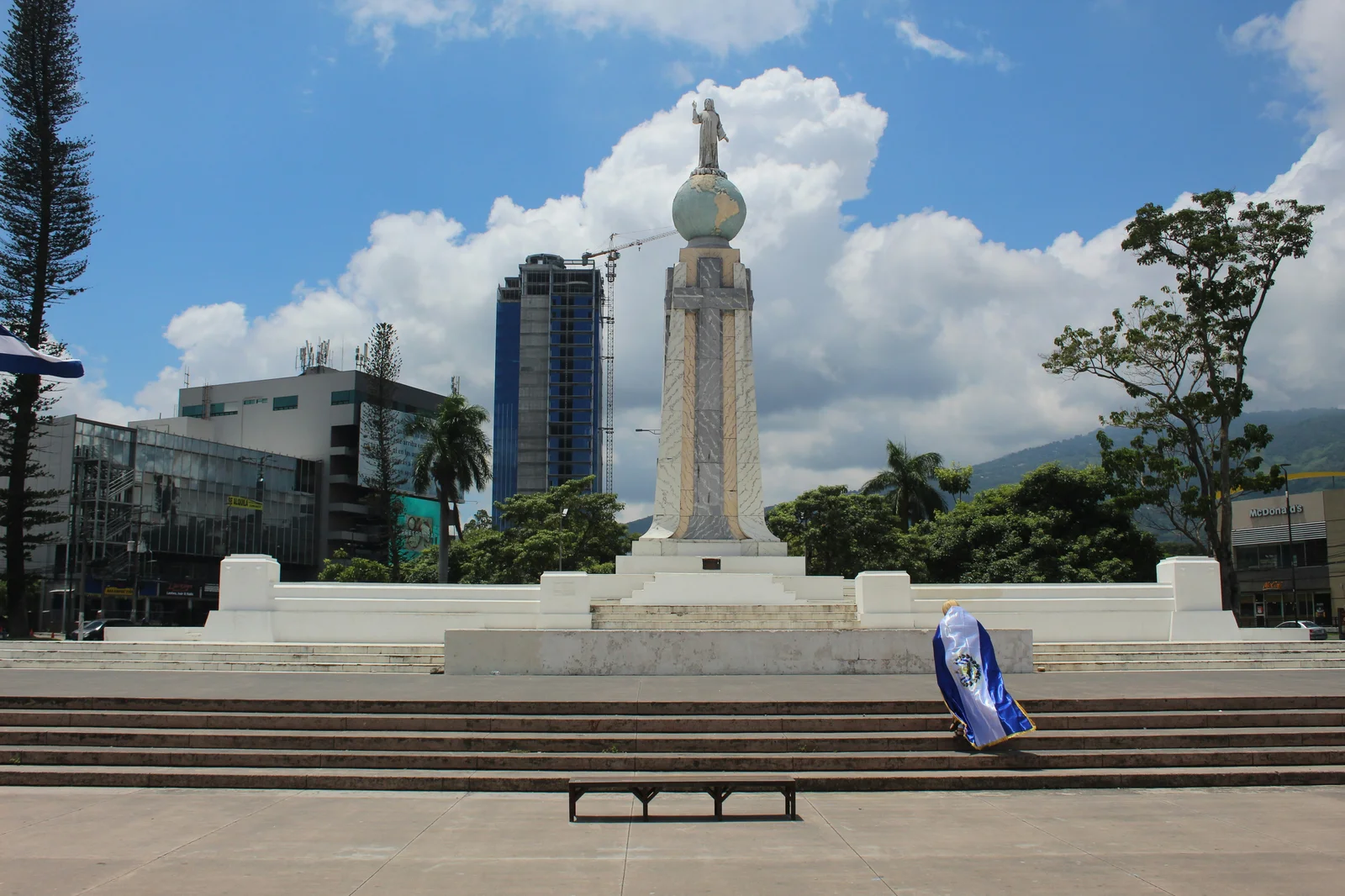
Monument to the Divine Savior of the World
The symbol that gives the country its name.
10 / 10
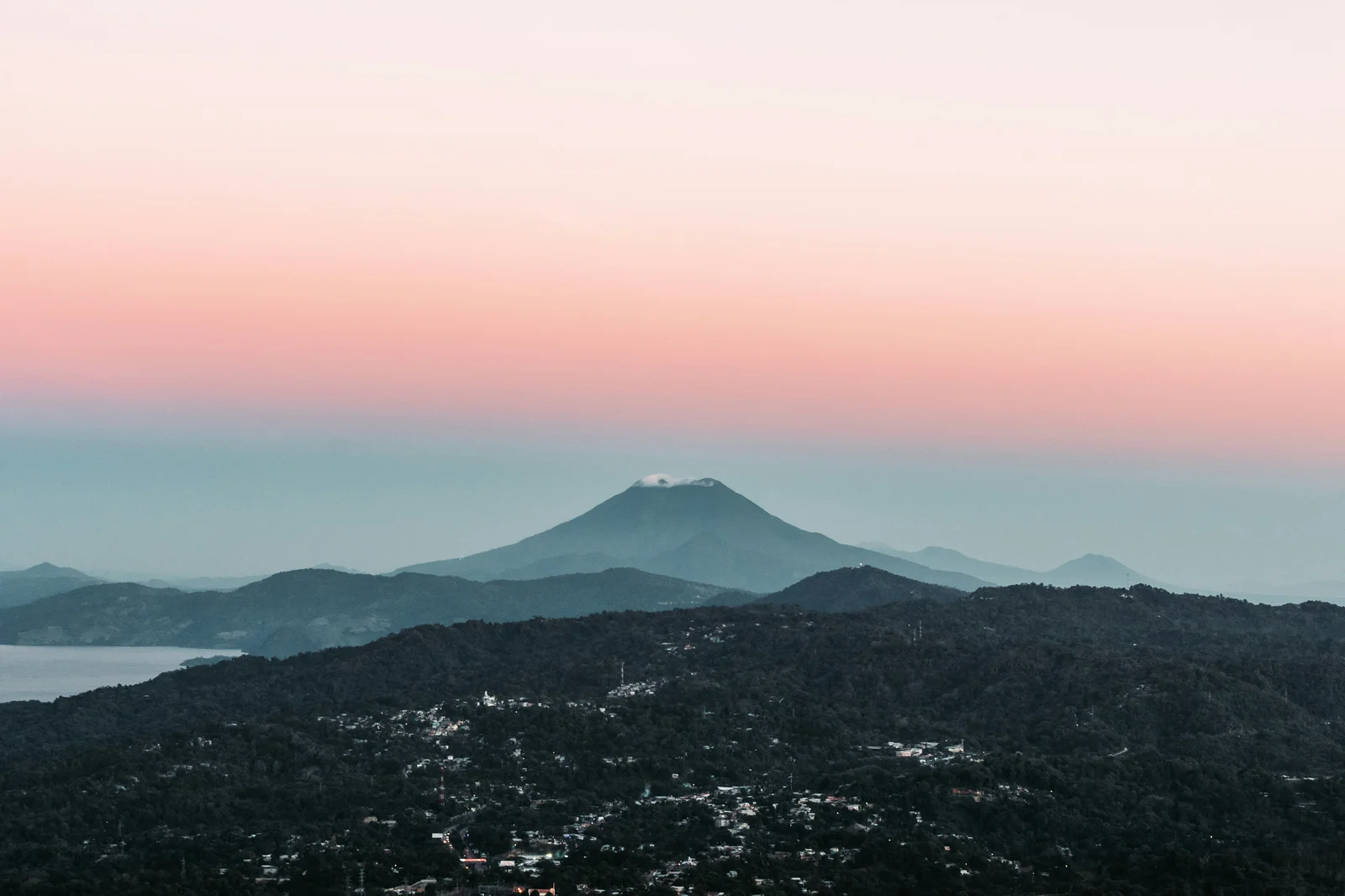
Los Planes de Renderos
The town of pupusas near San Salvador.
Plan your visit
Everything you need to know before you arrive.
Temperature
18–33°C
64–91°F
Altitude
658 msnm
What to bring
Travel tips
Warnings
History of San Salvador
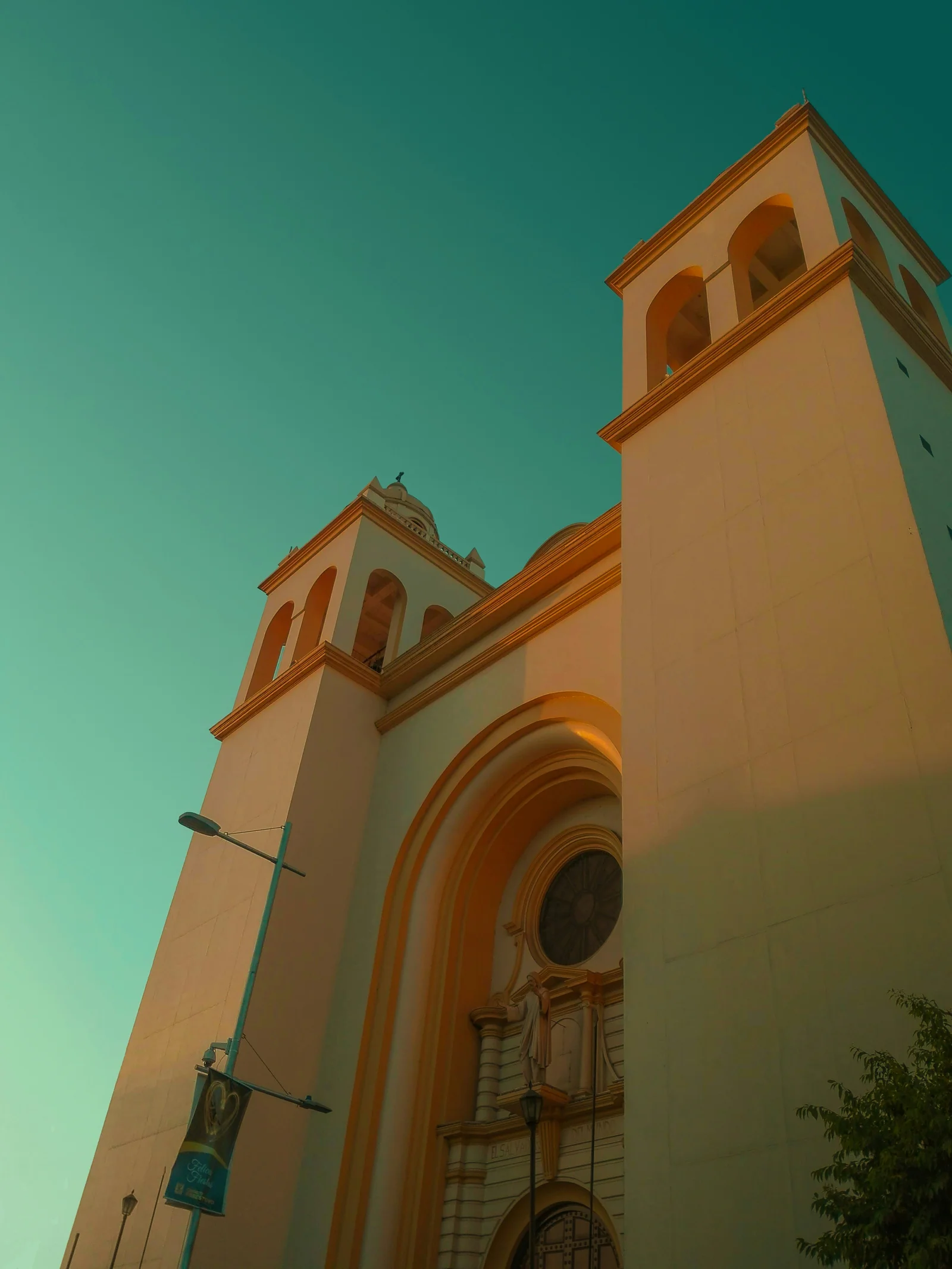
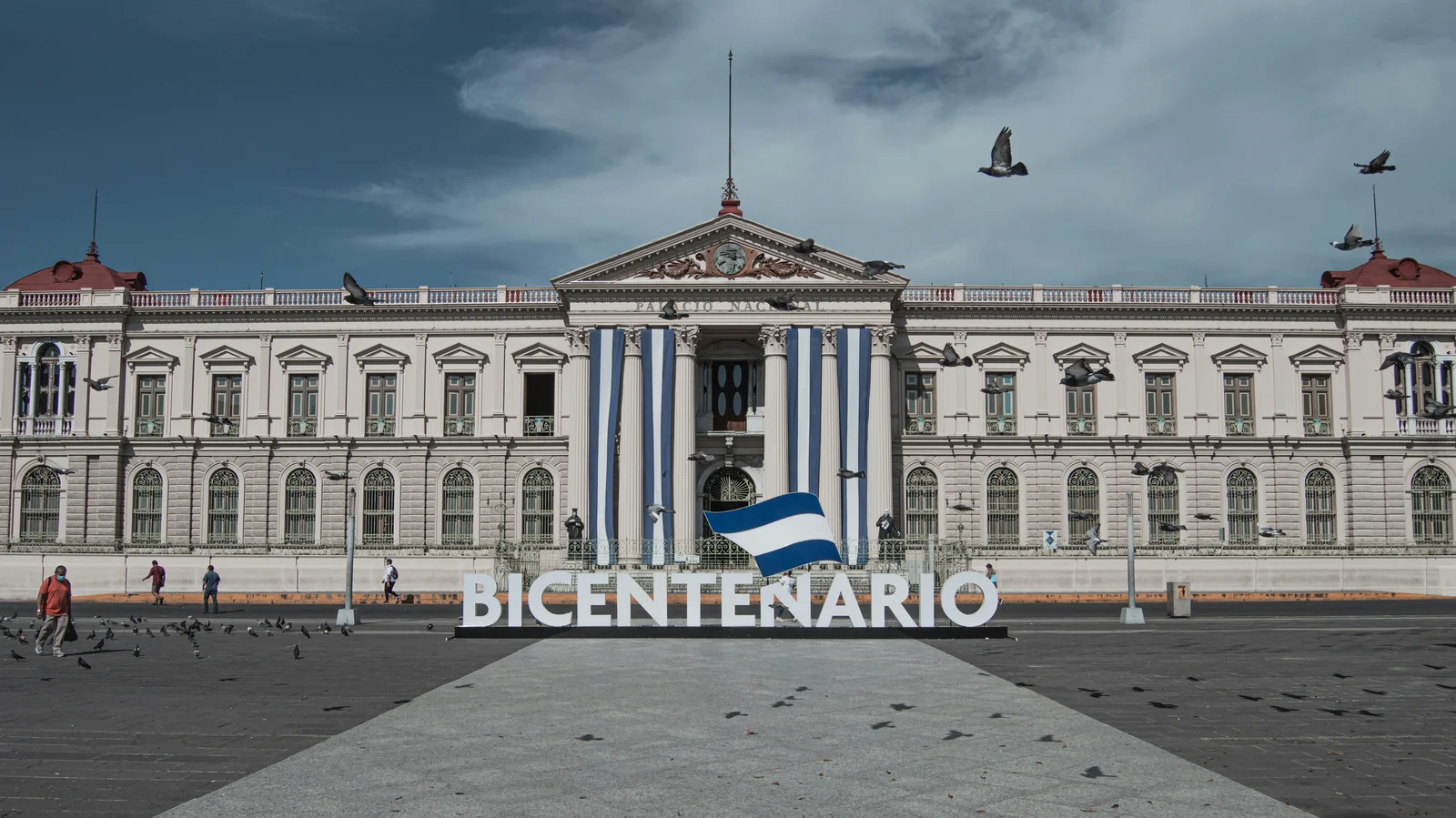
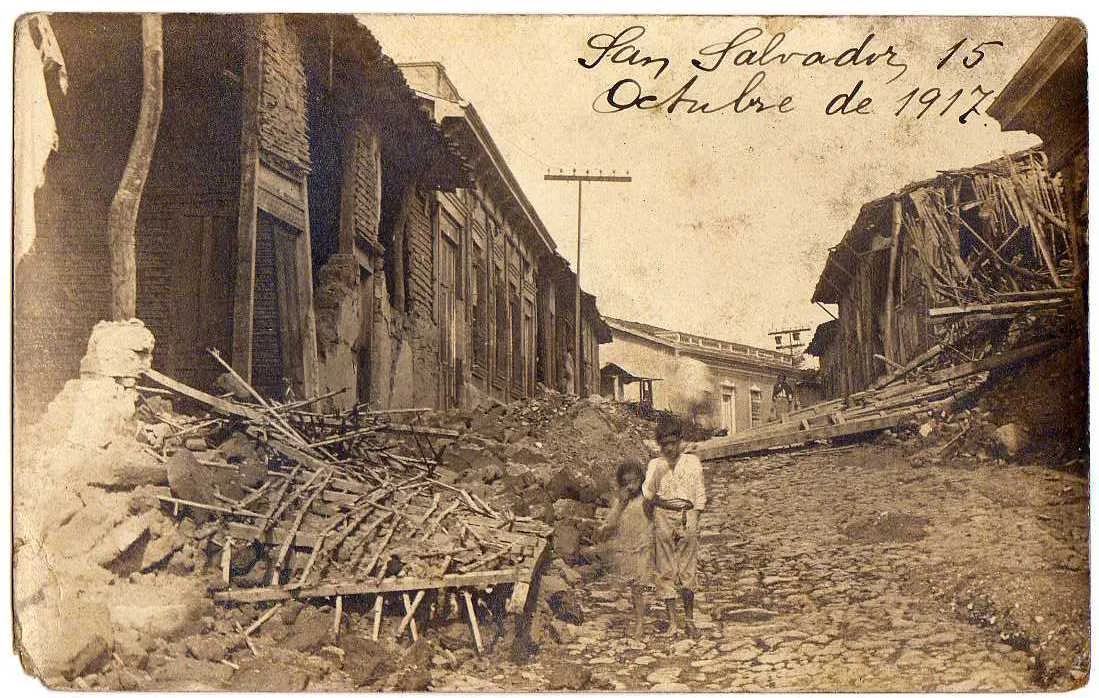
The first villa of San Salvador was founded in 1525, during the Spanish conquest of a territory inhabited by indigenous communities. Its exact location remains unknown. After its abandonment, a second villa was established in 1528 in La Bermuda, near Suchitoto, the remains of which form the archaeological site of Ciudad Vieja. In 1545, the population moved to the valley where the current capital is located, and the following year it was granted the title of city. The square now called Libertad was one of the organizing points of that settlement. Earthquakes and subsequent reconstructions repeatedly changed its architecture, so the center does not retain an exclusively colonial appearance. The National Palace, built between 1905 and 1911, represents one of those stages of renewal. Throughout the 20th century, San Salvador expanded beyond its traditional neighborhoods and solidified its political, commercial, and cultural role. The declaration of its historic center in 2008 recognized the value of the heritage gathered around its squares. Over the centuries, it has been destroyed and rebuilt several times due to earthquakes. In the 20th century, it established itself as the political, economic, and cultural center of the country. Its historic center, declared in 2008, concentrates buildings such as the National Palace, the Metropolitan Cathedral, and the National Theater, witnesses to that history of resilience.
Fun facts
Getting to San Salvador
We help you get around: bus routes, terminals and private transport.
Bus routes
How to get to San Salvador by public transport.
Want to visit San Salvador?
Tours, local guides, private transport and car rental. Tell us what you need and we'll arrange it for you.
TuChero · AI guide
Artificial Intelligence specialized in El Salvador
Want to discover more places?
Ask TuChero, your AI travel guide, for the best places, tips and recommendations for traveling around El Salvador.