
Metapán
About Metapán
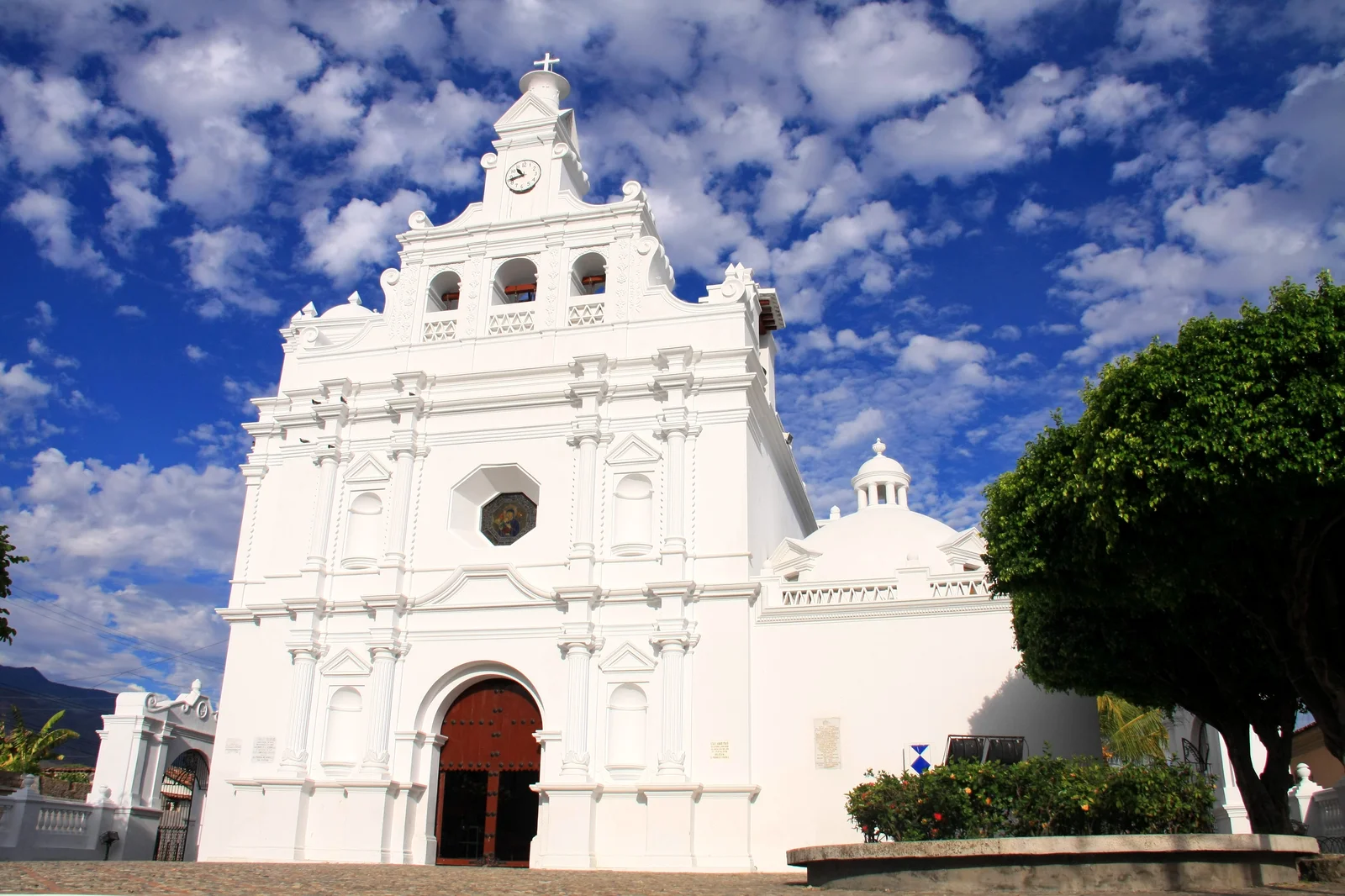
Metapán is the main city in northwestern El Salvador and a base for exploring Lake Güija, the Montecristo cloud forest, and the Trifinio region. Its historic center, known for its white facades, houses the Church of San Pedro Apostol, one of the most unique colonial temples in the country. From the city, you can also access the San Diego dry forest and ancient kilns and sites related to lime production.
Explore Metapán
Activities, restaurants and stays recommended by Experiences.
Where to eat
Tap a card for more info and location
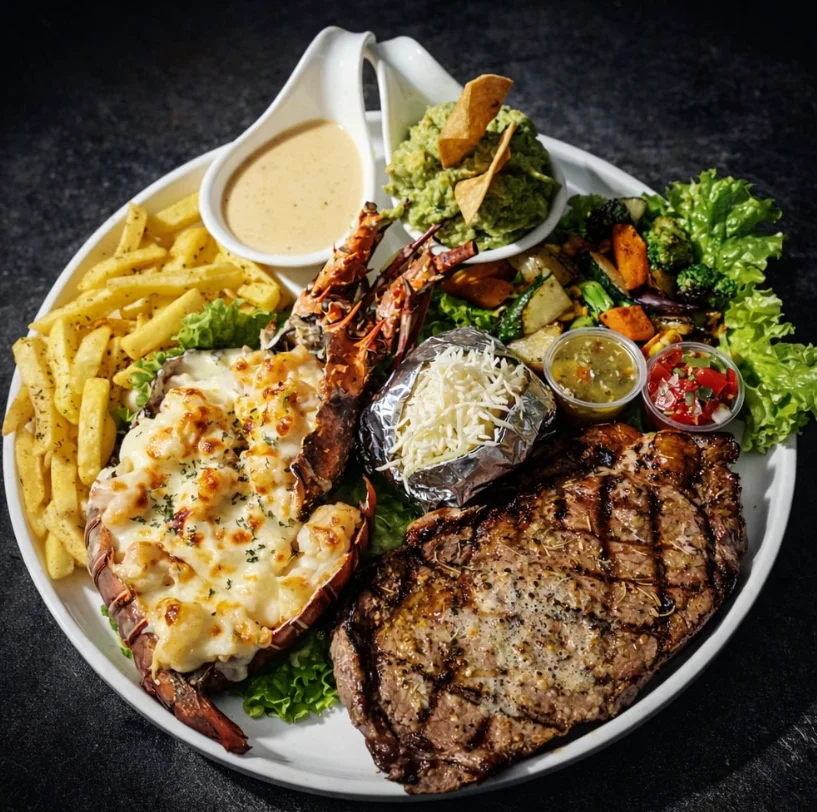
Restaurante Mandala
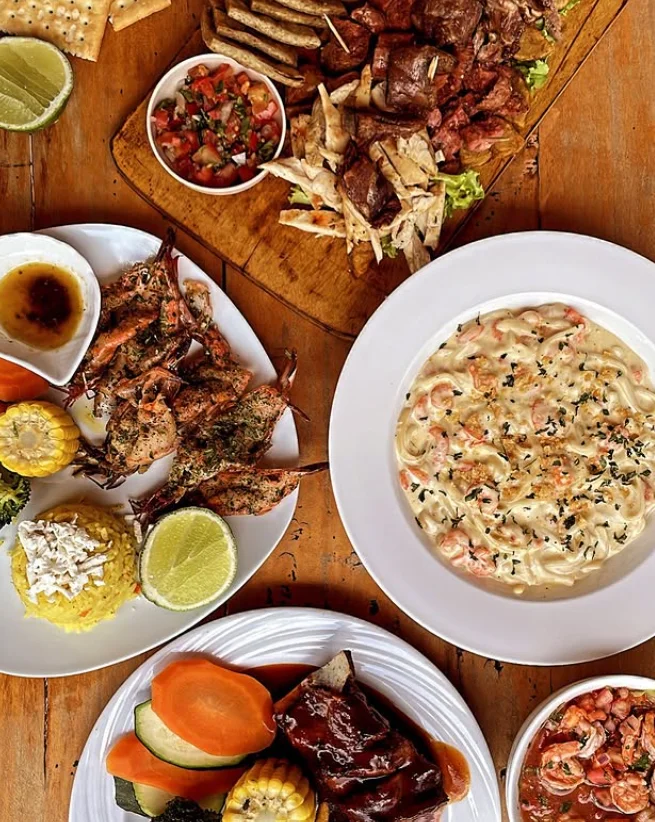
Alli's Restaurant
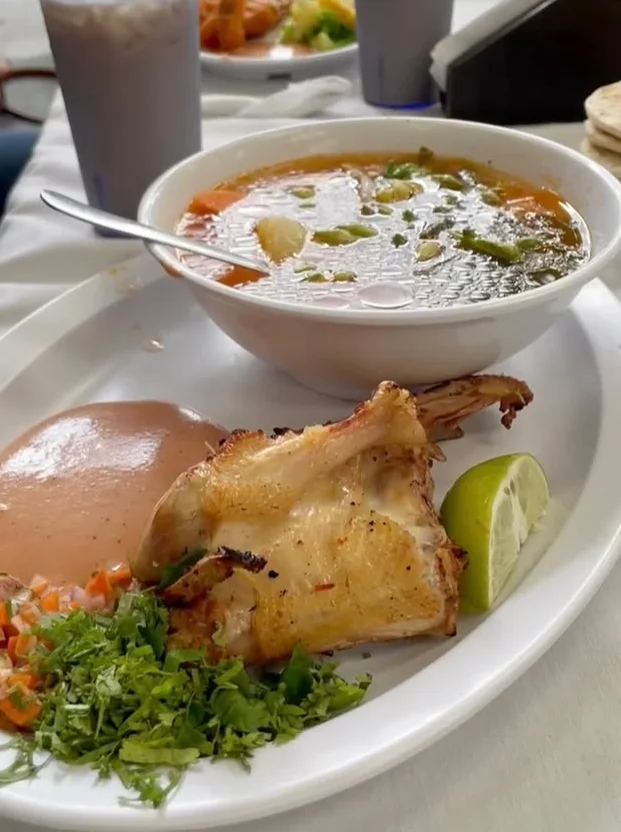
Rancho La Hacienda Morán
Cafés & Bars
Tap a card for more info and location

Frozen Bar
Where to stay
Tap a card for more info and location
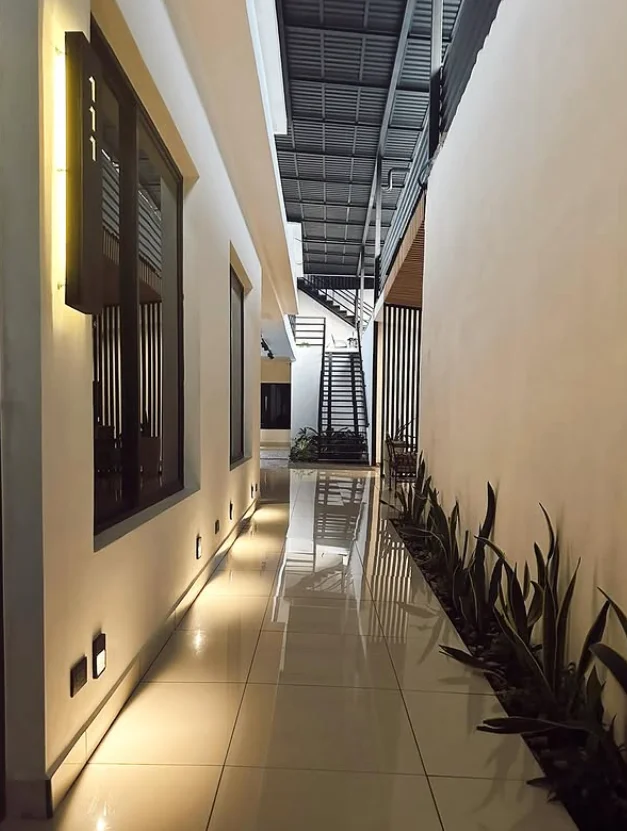
Hostal Villa Blanca
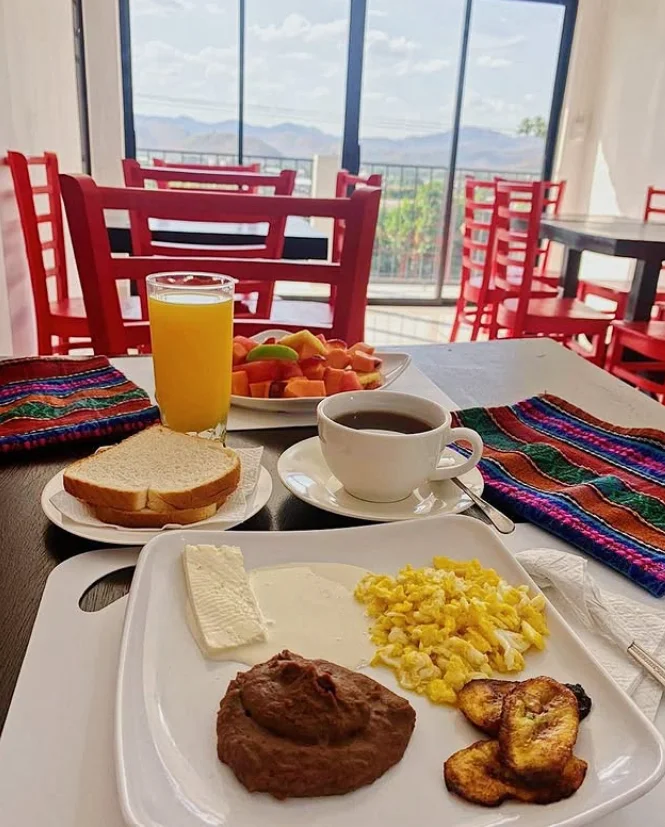
Hotel Ciudad Blanca
Highlights
Snapshots that tell the story of Metapán.
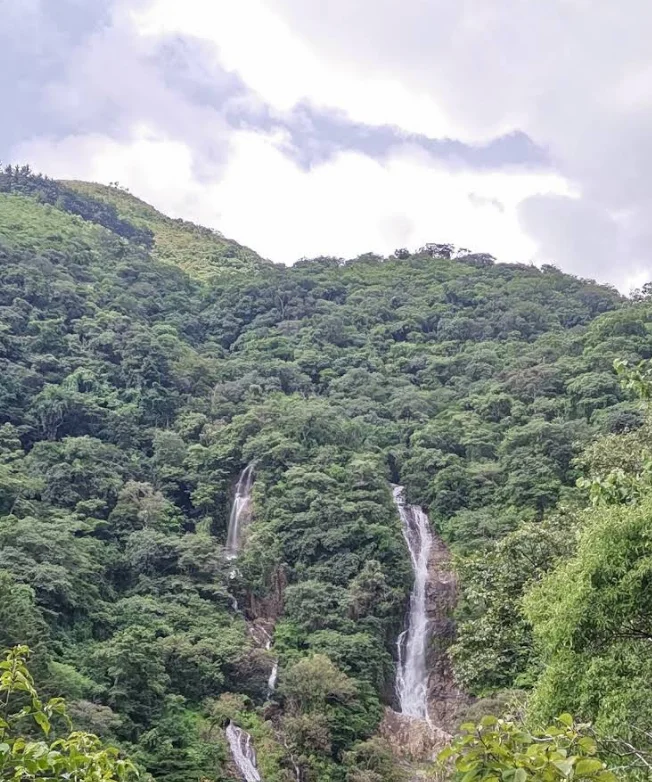 Nature
01 / 06
El Limo Geotourism Park
Geotourism park with formations and trails.
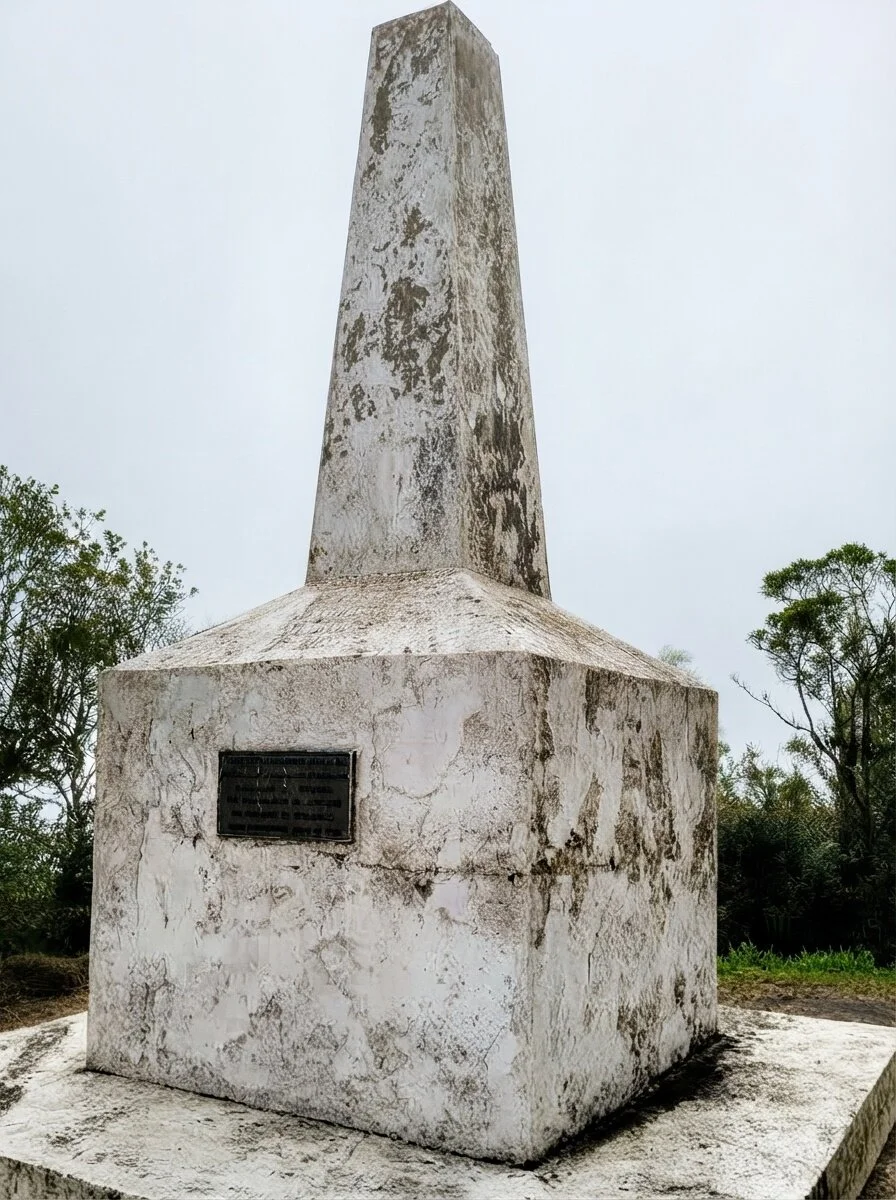 Viewpoint
02 / 06
El Trifinio Viewpoint
Where three countries meet.
 Nature
03 / 06
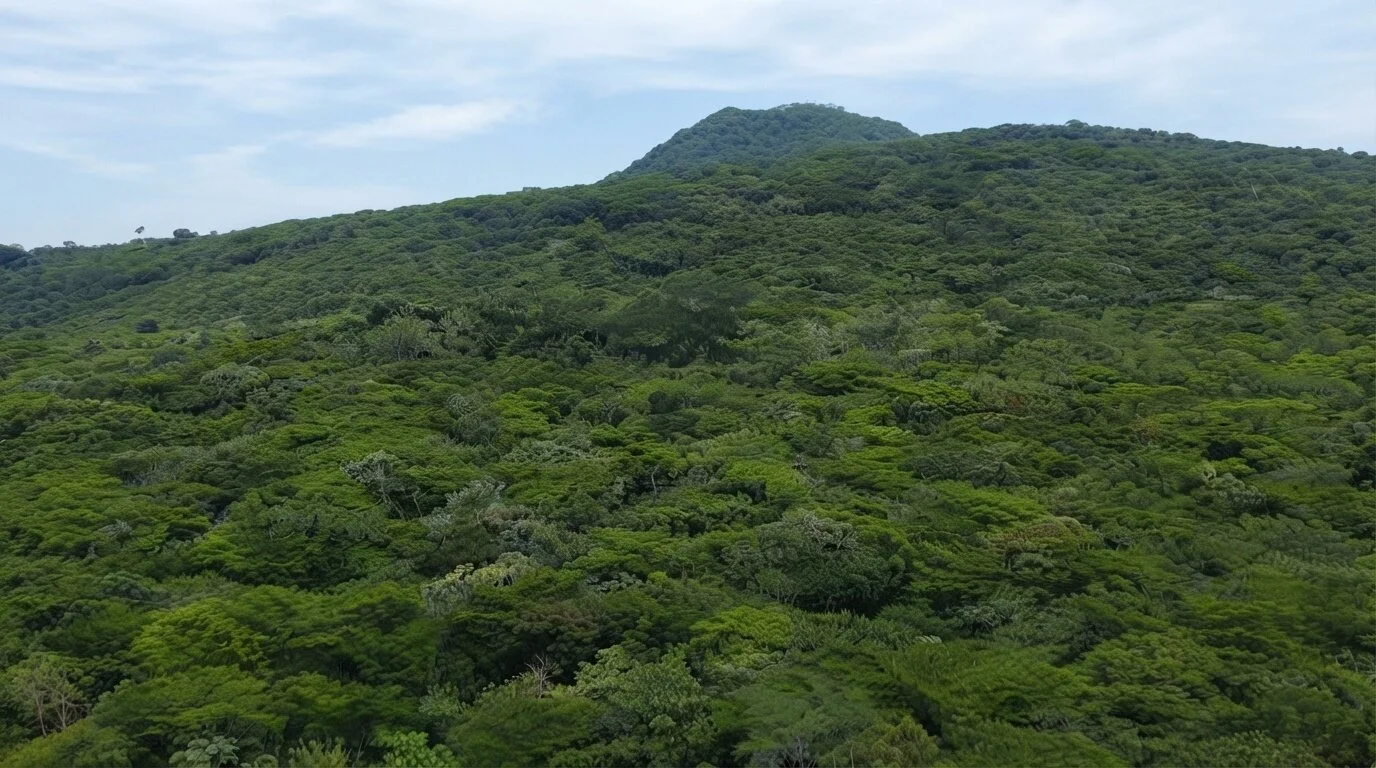
San Diego and San Felipe Las Barras National Park
Dry forest, volcanic caves, and trails with views of Lake Güija.
 Nature
04 / 06
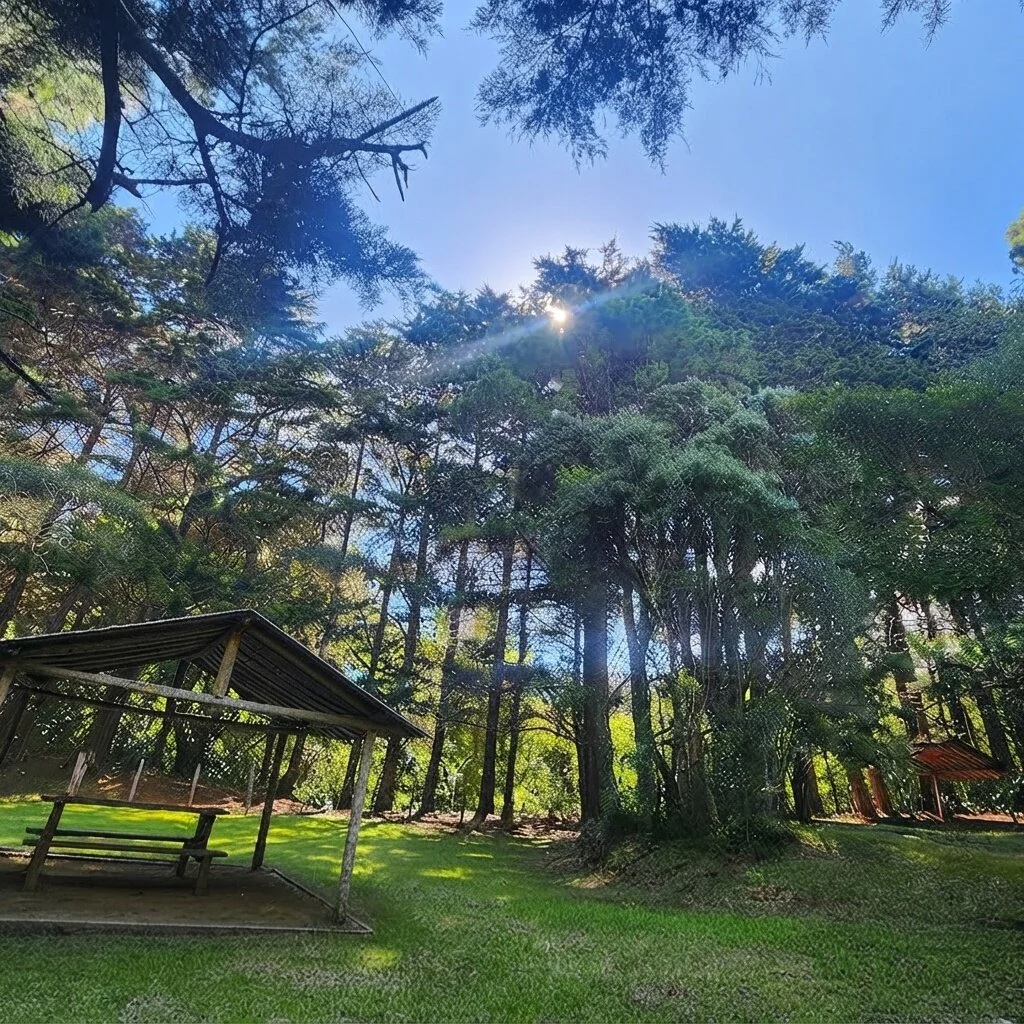
Montecristo National Park
Mountain cloud forest with trails, orchids, and access to the Trifinio Point.
 Nature
05 / 06
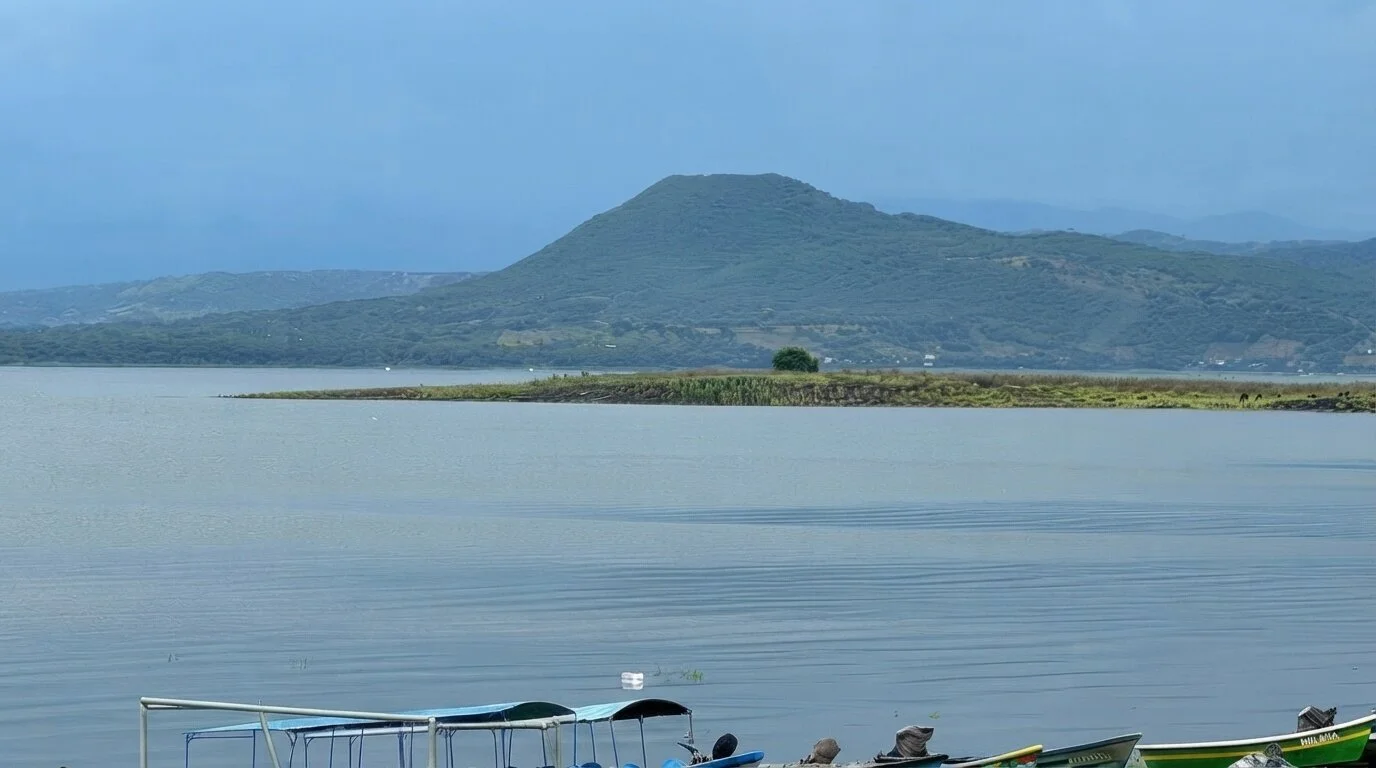
Lake Güija
Border lake surrounded by volcanoes, small islands, dry forest, and archaeological sites.
 Church
06 / 06
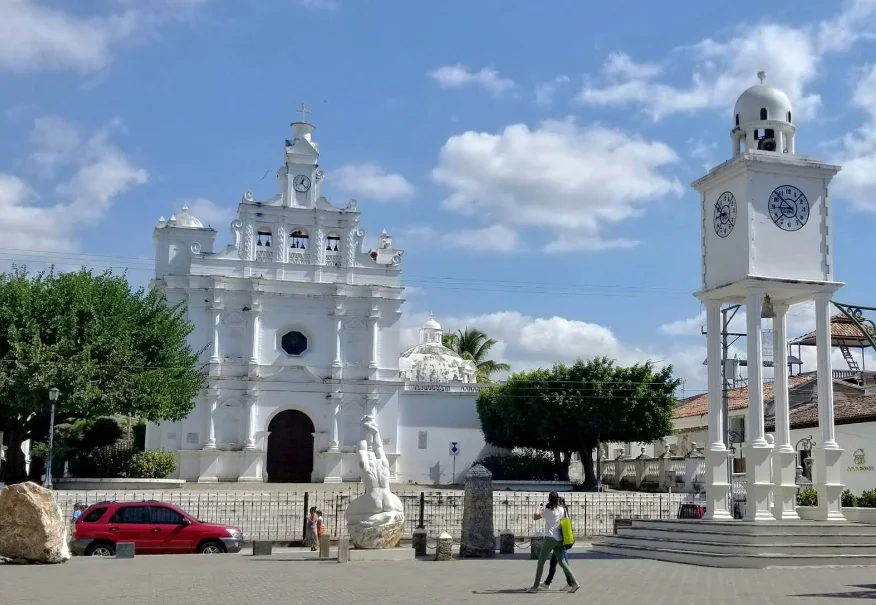
Saint Peter Apostle Church
Colonial gem of northern Santa Ana.
Plan your visit
Everything you need to know before you arrive.
Altitude
470 msnm
History of Metapán
Metapán existed before the conquest within a region inhabited by Ch’orti’ Maya peoples and communities influenced by Nahua culture. In the 16th century, the Spanish recorded two neighboring settlements, San Pedro and Santiago Metapán, where alajuilak was spoken, a language that combined elements of Ch’orti’ and Nahuat. In 1683, the families remaining in Santiago were moved to San Pedro, consolidating the core of the current city; this date represents a colonial reorganization, not its founding. The church of San Pedro Apóstol was built between 1736 and 1743 and is now a National Monument. Agriculture, livestock, mining, and lime production sustained the economy of the area for centuries. Electricity arrived in 1919 and the railroad in 1928, strengthening border trade. In 1964, the establishment of the cement industry took advantage of the large local deposits of limestone. This connection to lime explains the whitewashed facades, the nickname Ciudad Blanca, and an essential part of Metapán's identity.
Fun facts
Want to visit Metapán?
Tours, local guides, private transport and car rental. Tell us what you need and we'll arrange it for you.

TuChero · AI guide
Artificial Intelligence specialized in El Salvador
Want to discover more places?
Ask TuChero, your AI travel guide, for the best places, tips and recommendations for traveling around El Salvador.