
Suchitoto
About Suchitoto
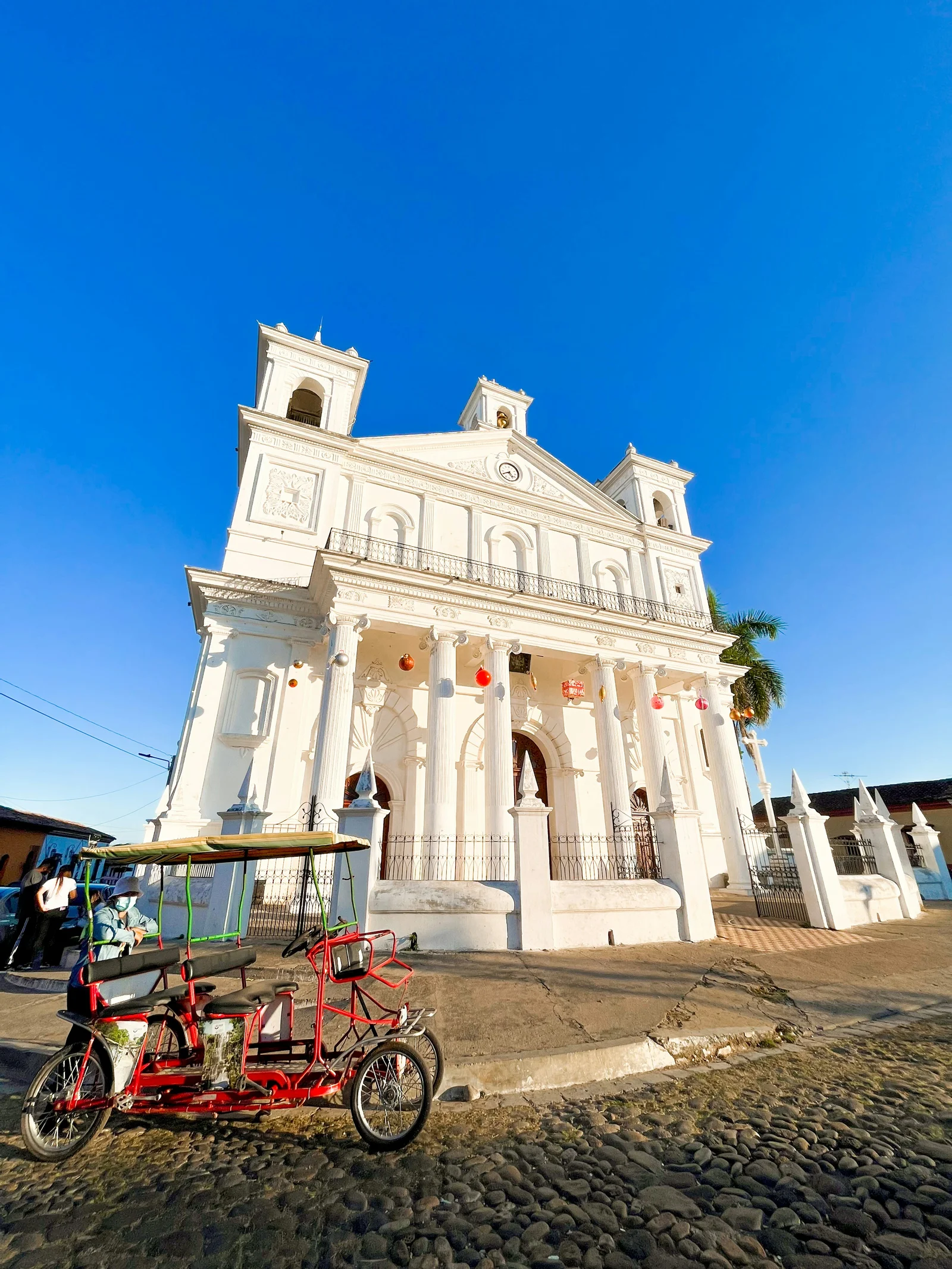
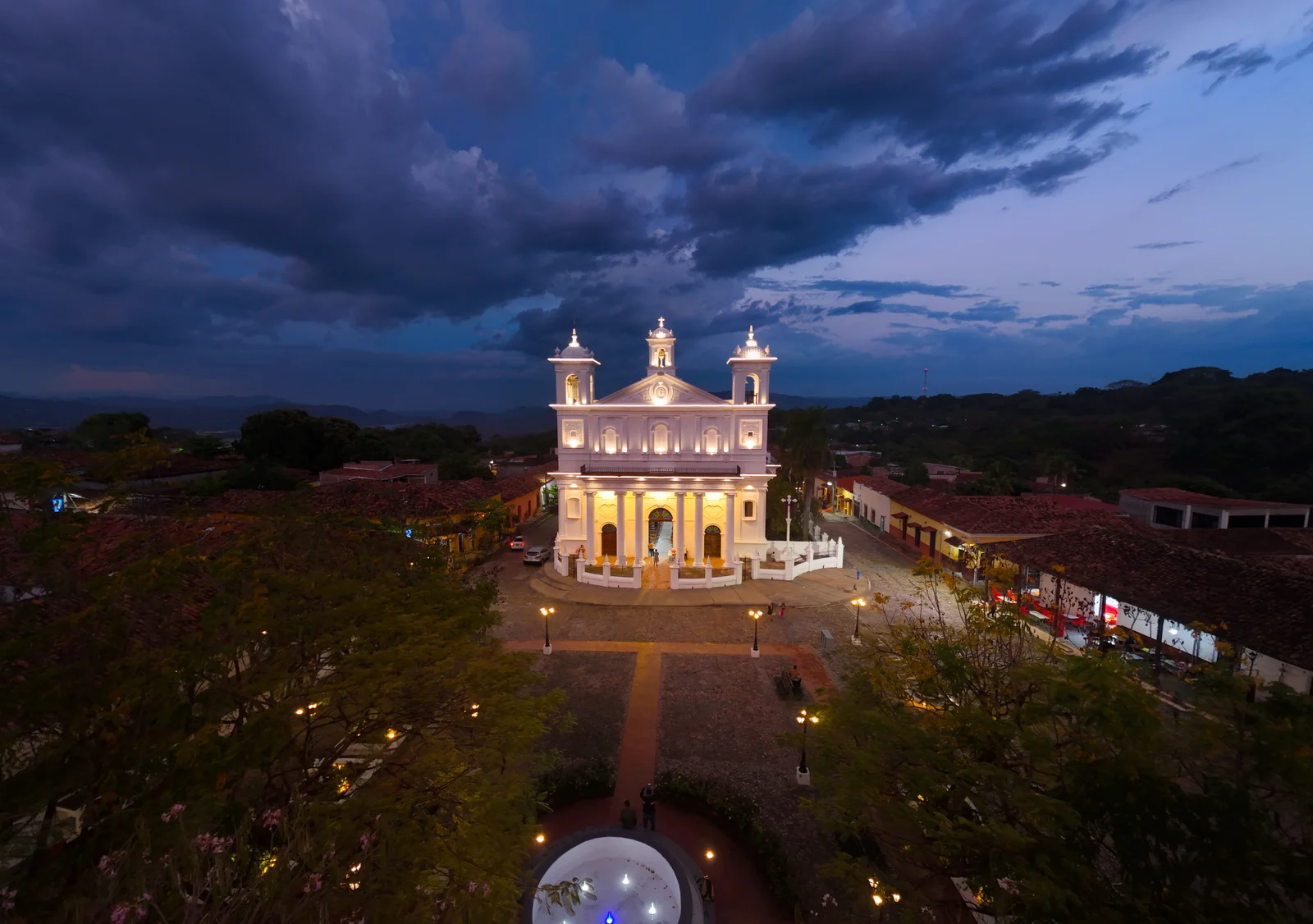
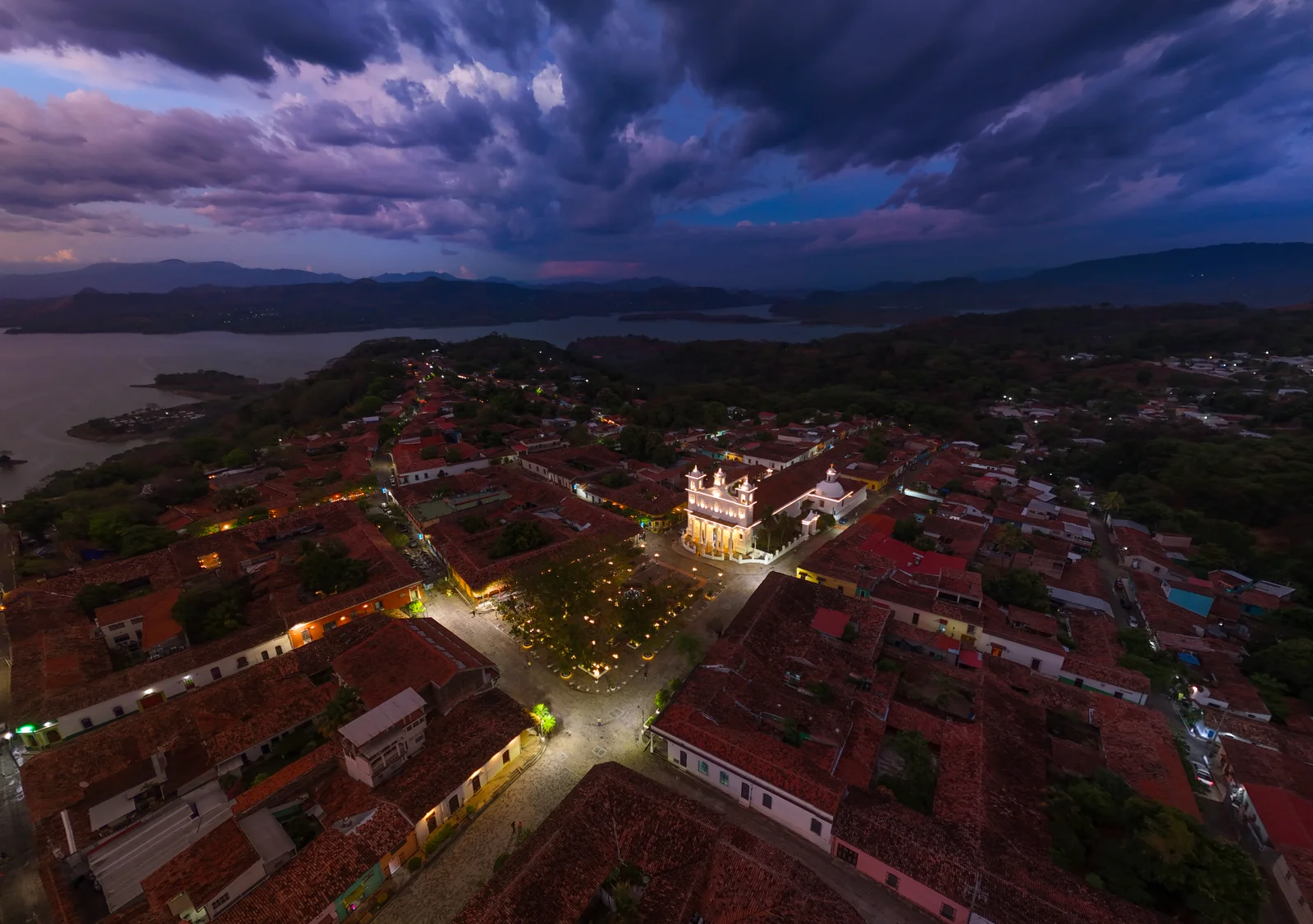
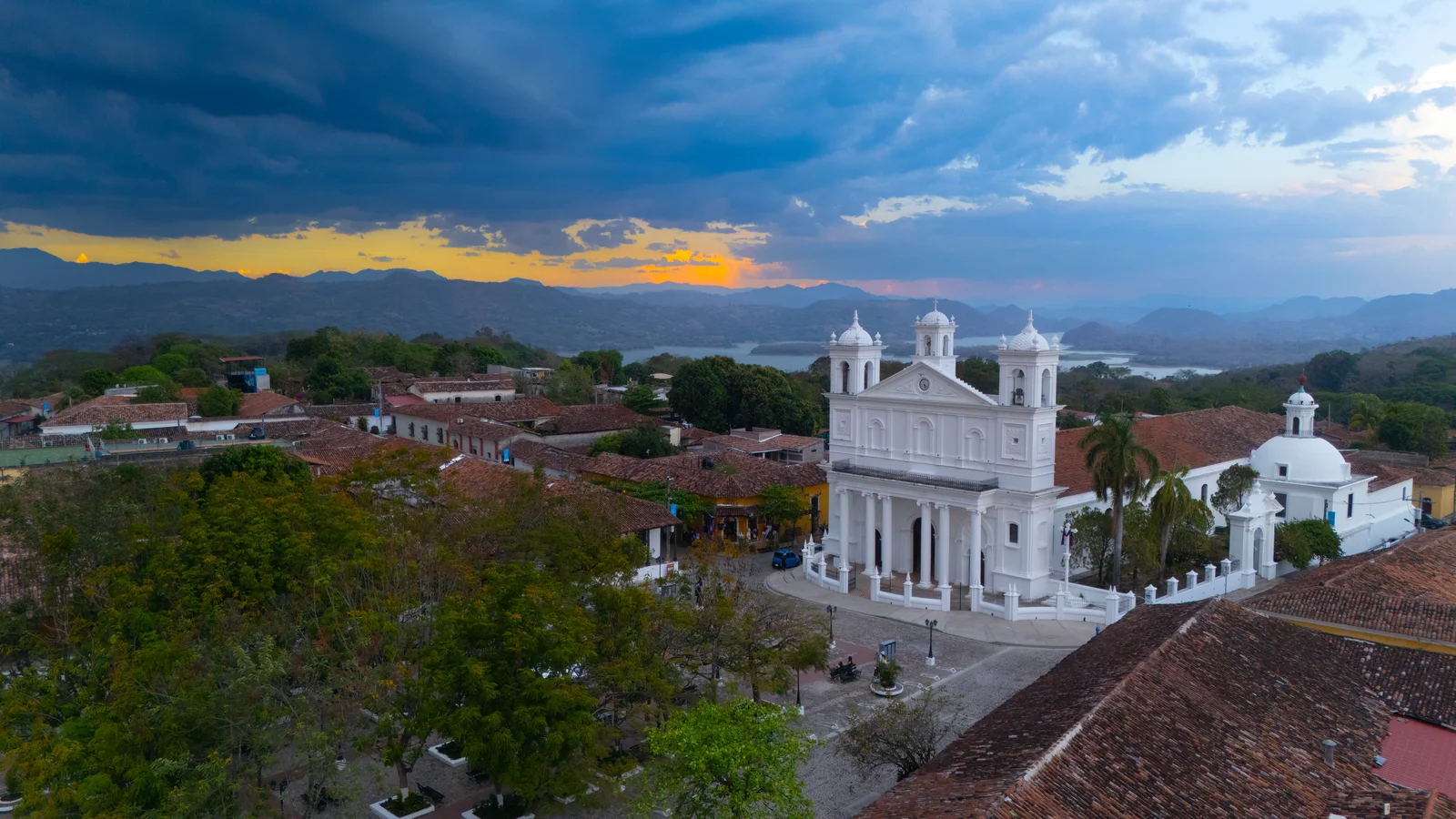
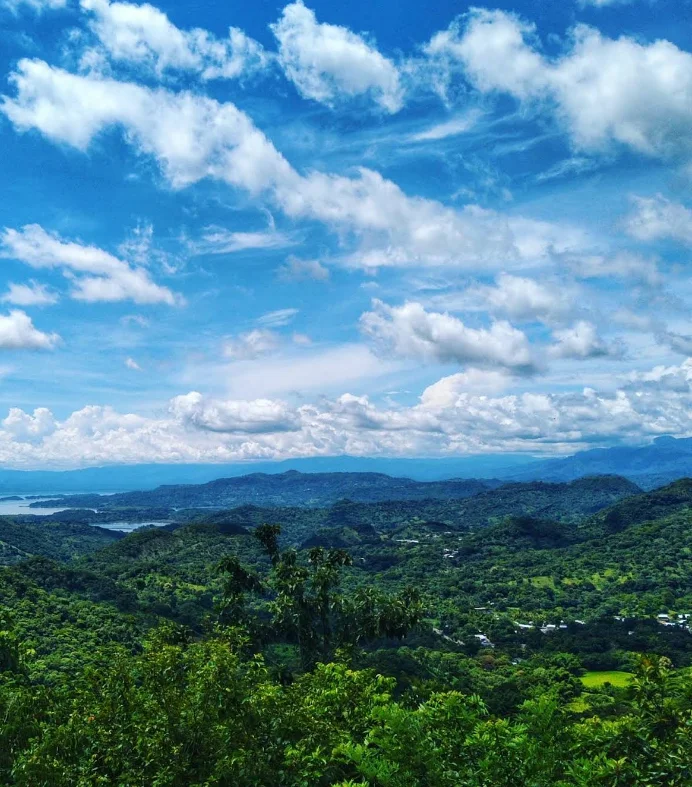
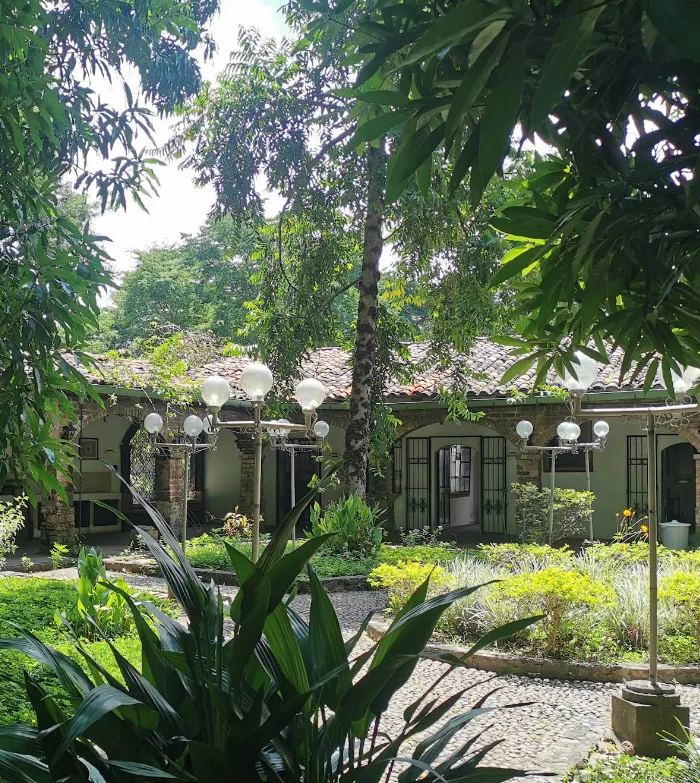
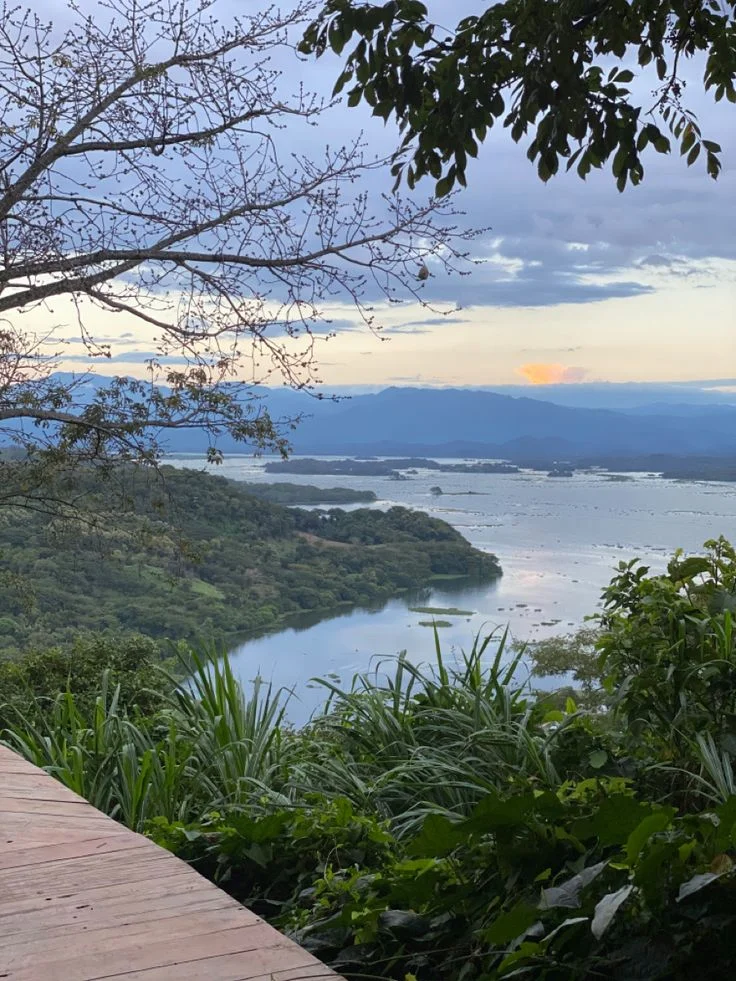
Suchitoto is a city of cobblestone streets and tile-roofed houses in the Cuscatlán department, perched on the hills overlooking Lake Suchitlán. Its colonial heritage architecture coexists with indigo workshops and a vibrant cultural life driven by artists and locals. The streets invite you to stroll leisurely, discover indigo workshops, and enjoy the views of Lake Suchitlán. Beyond the town center, there are waterfalls, nature, and rural communities waiting to be explored.
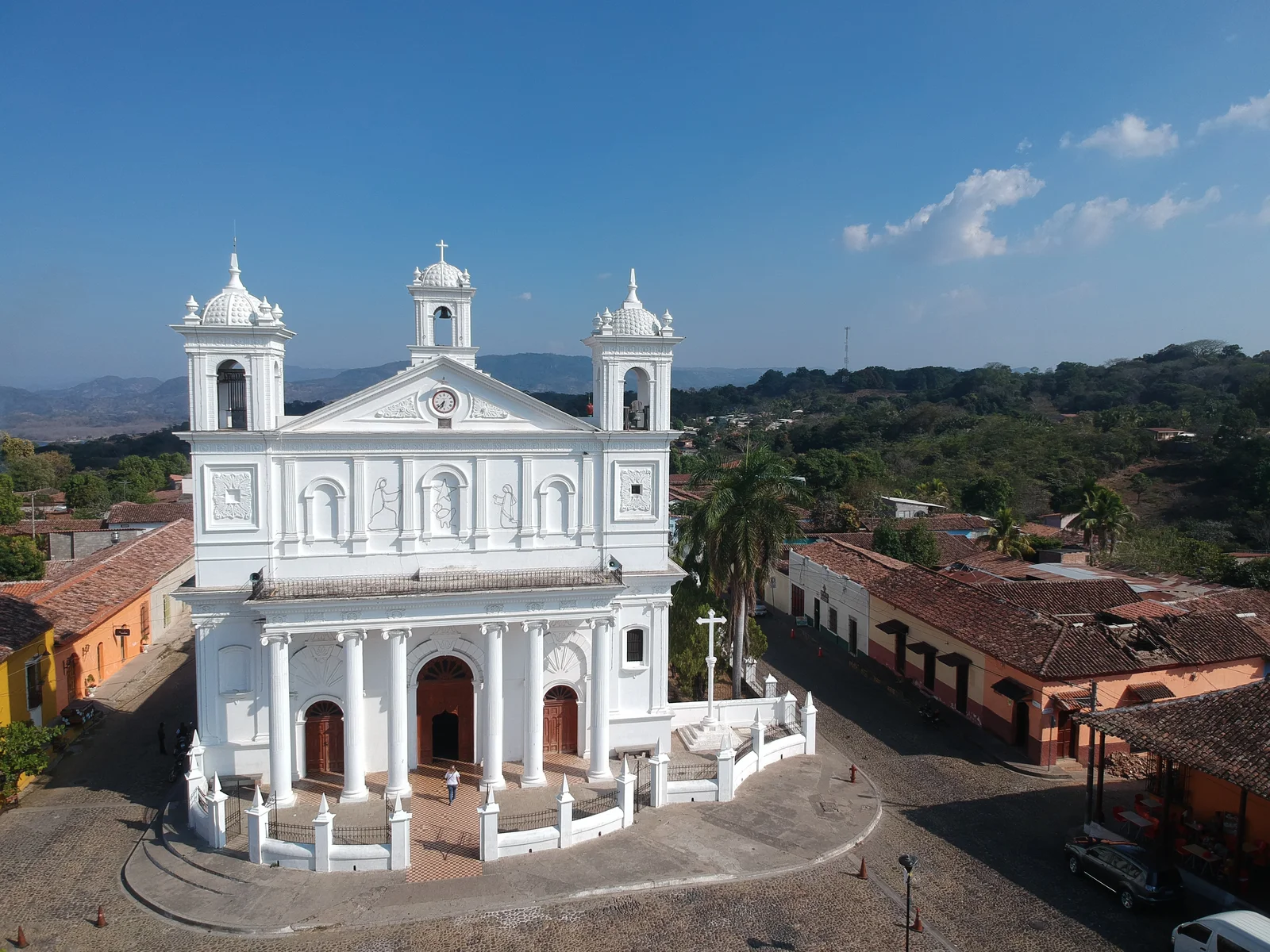
Explore Suchitoto
Activities, restaurants and stays recommended by Experiences.
Where to eat
Tap a card for more info and location
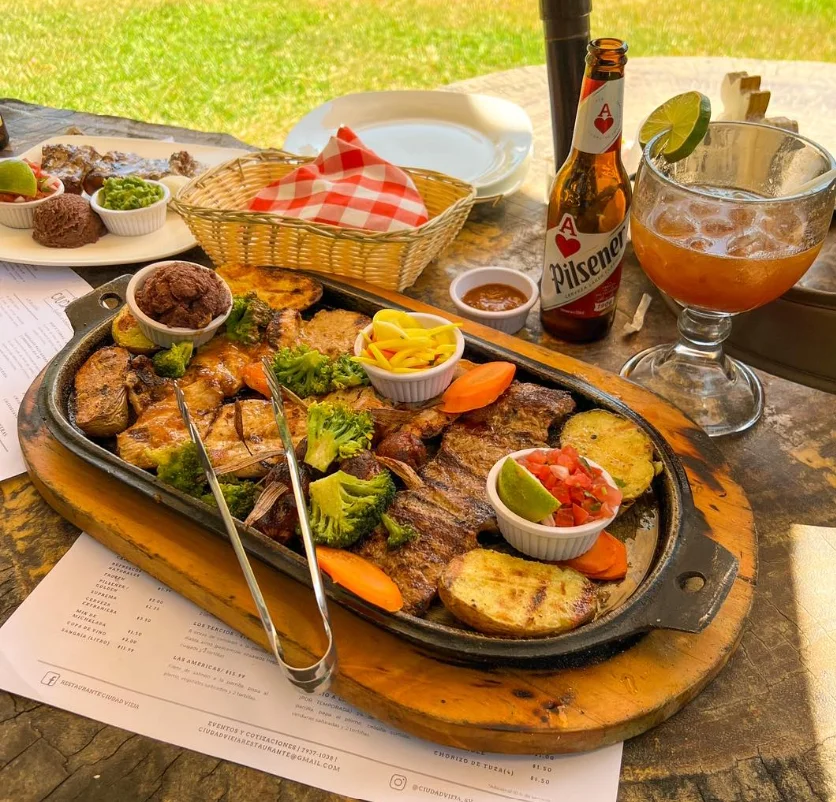
Restaurante Ciudad Vieja Suchitoto
Restaurante Ciudad Vieja Suchitoto
Restaurant on the outskirts of Suchitoto, with a view of the lake and a rural atmosphere. A great option for fried fish or free-range chicken served with handmade tortillas.
Carretera hacia Suchitoto, km 40, Suchitoto 1415 Suchitoto Cuscatlan CP, 1415
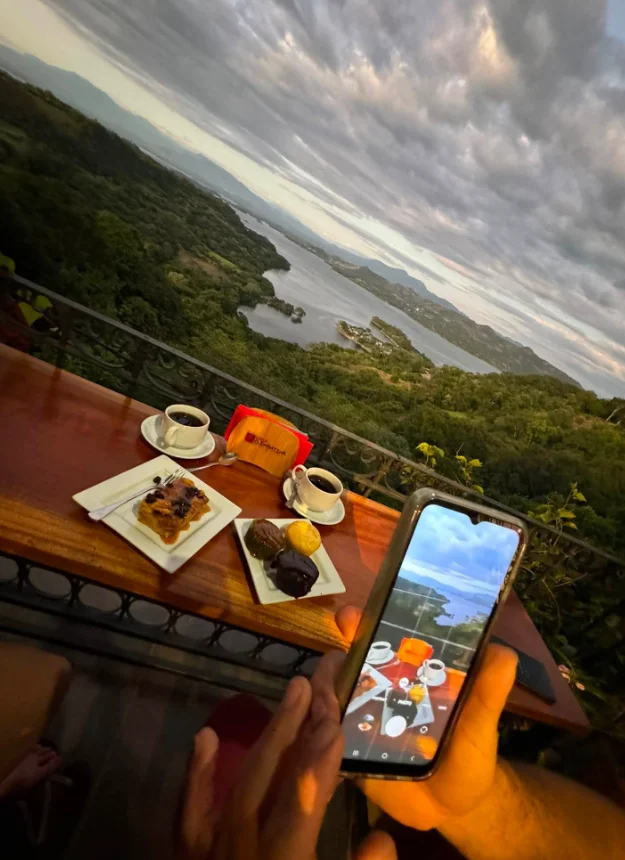
Casa Clementina Restaurante y Galería
Casa Clementina Restaurante y Galería
Restaurant with an art gallery in the historic center of Suchitoto, a cultural meeting point for the town. It offers signature Salvadoran cuisine and space for local exhibitions.
6a Calle Pte. casa #18, Suchitoto
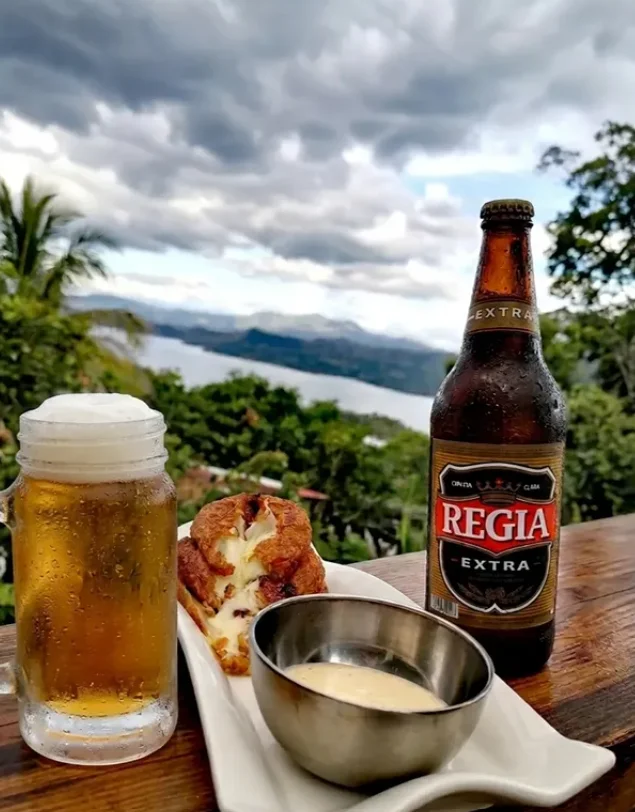
Rockochitlán Grill And Music
Rockochitlán Grill And Music
Grill with live music in Suchitoto, popular on weekends. The menu focuses on grilled meats and craft beverages.
Parque San Martín, 6a Calle Pte., Suchitoto
Donde Charlie
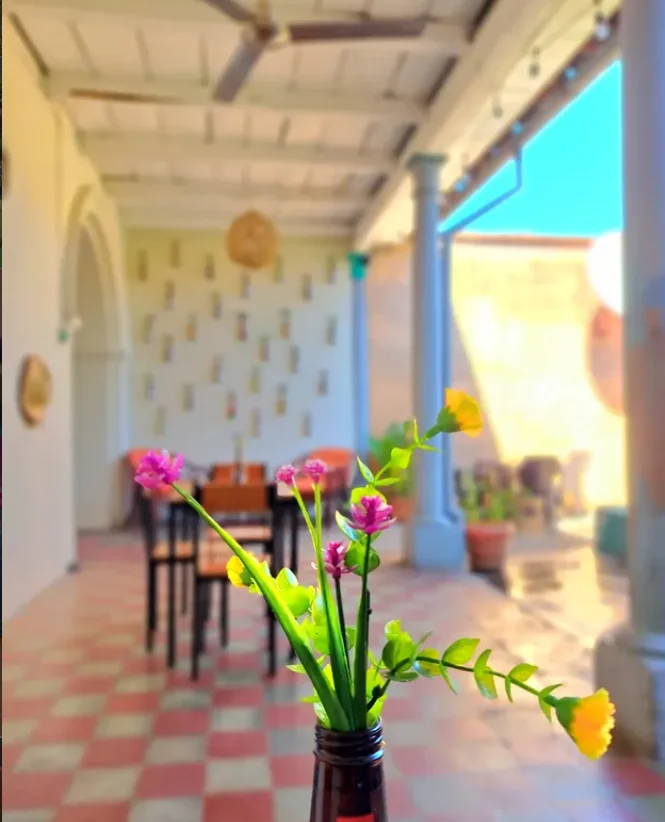
Donde Charlie
Restaurant in Suchitoto with a terrace and family-friendly atmosphere. The menu includes traditional Salvadoran dishes and simple international options.
C. Francisco Morazán 10, Suchitoto 1415
La Posada de Suchitlán
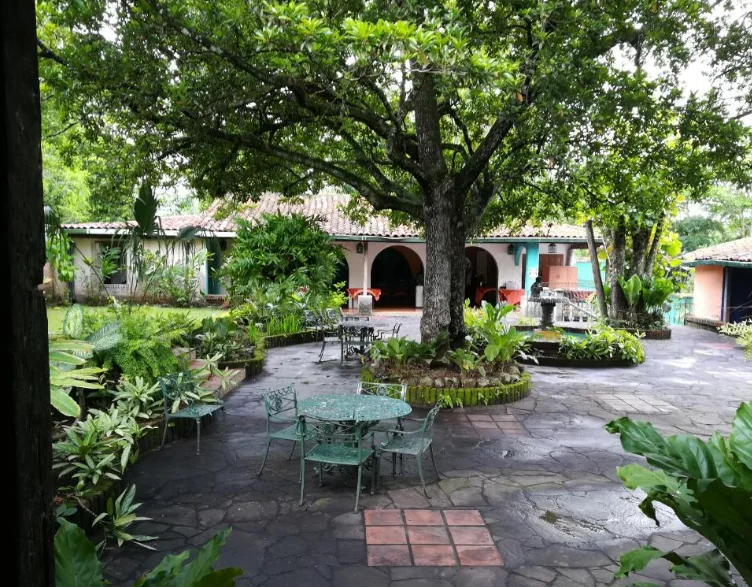
La Posada de Suchitlán
Restaurant by Lake Suchitlán, with a terrace and a view of the water. Specializing in freshwater fish and seafood, popular among weekend visitors.
WXQC+P44, Suchitoto
El Rinconcito del Sabor
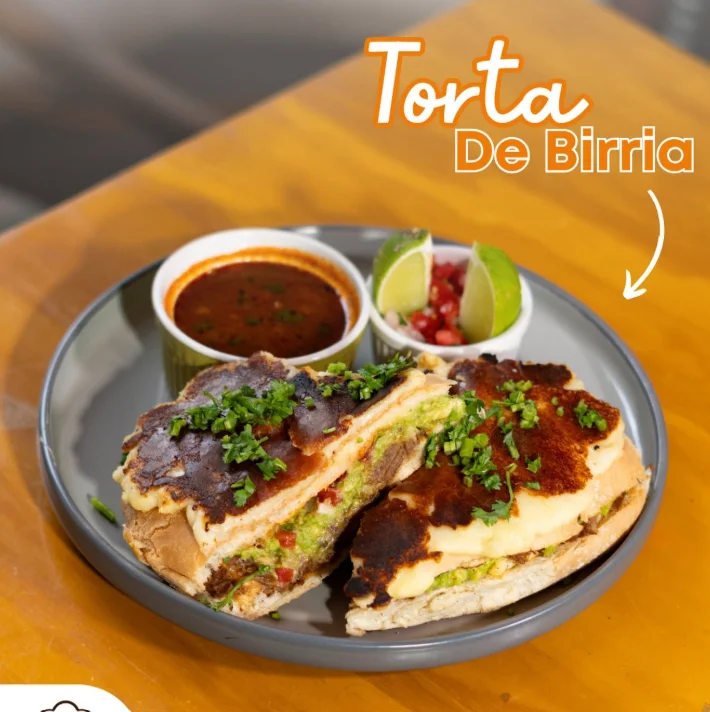
El Rinconcito del Sabor
Simple dining spot in Suchitoto focused on homemade Salvadoran food. An affordable option for lunch near the town center.
4a Calle Pte., Suchitoto
Los Lechones de Lucía
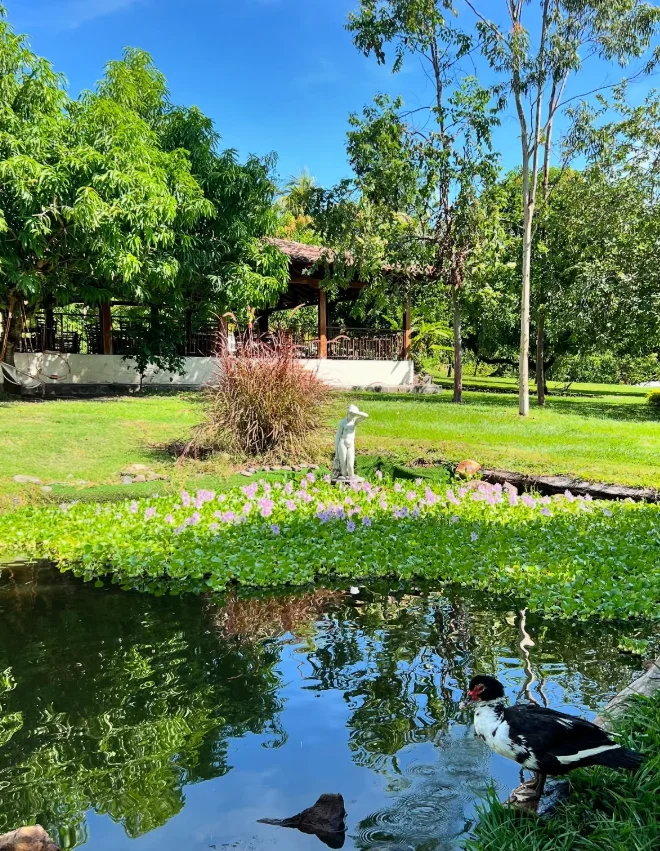
Los Lechones de Lucía
Restaurant in Suchitoto specializing in roasted pork, with a strong presence on social media. The signature dish is the roasted pork served with pickled cabbage and rice.
Km 40 carretera a Suchitoto, Cuscatlán
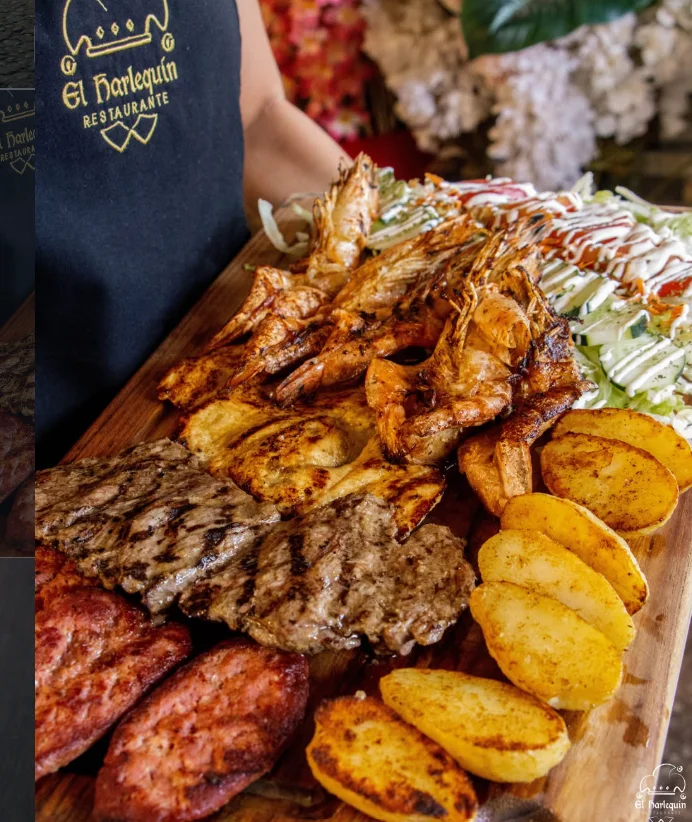
El Harlequín
El Harlequín
Restaurant in Suchitoto with a casual atmosphere and a varied menu. A popular meeting point for dining in the town center.
WXQG+38F, Suchitoto
Cafés & Bars
Tap a card for more info and location
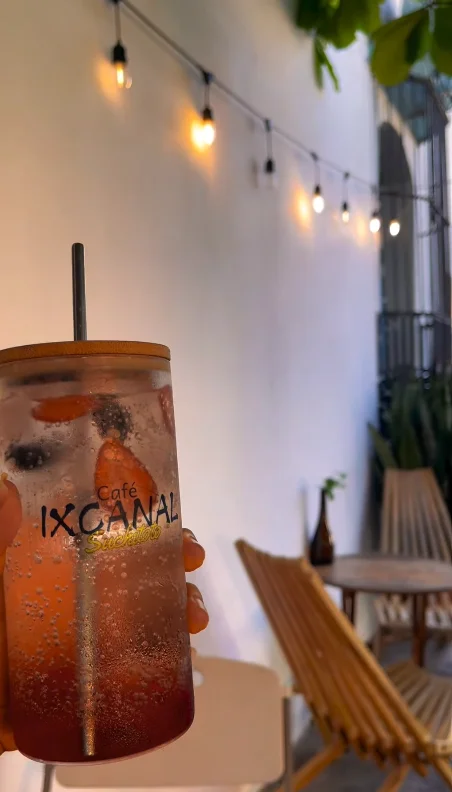
Ixcanal Café
Where to stay
Tap a card for more info and location
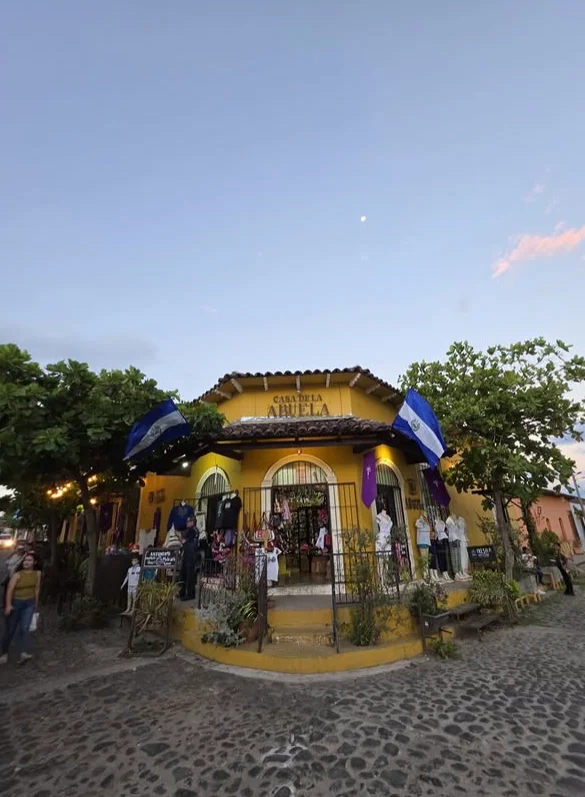
Casa de la Abuela - Petit Hotel
Casa de la Abuela - Petit Hotel
1 Avenida Norte y 2 Calle Oriente Barrio El Centro, Suchitoto
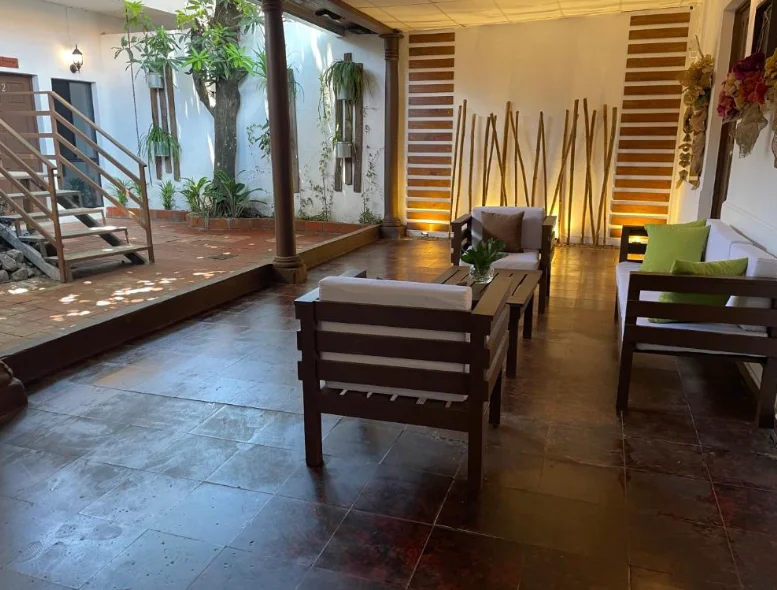
Casa Hotel Santa Lucía
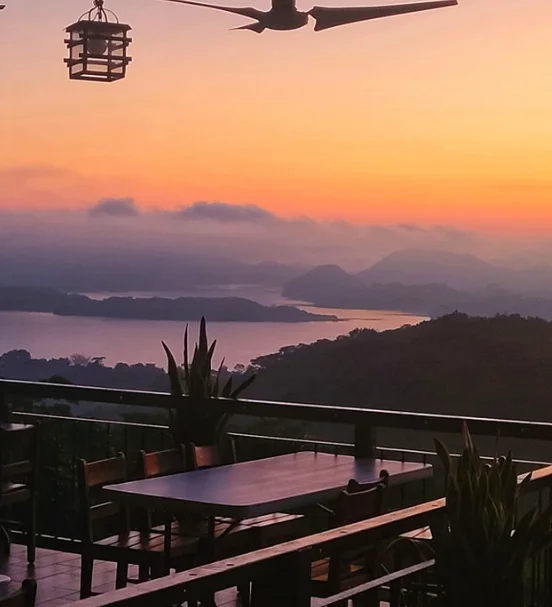
Hotel y Restaurante El Tejado
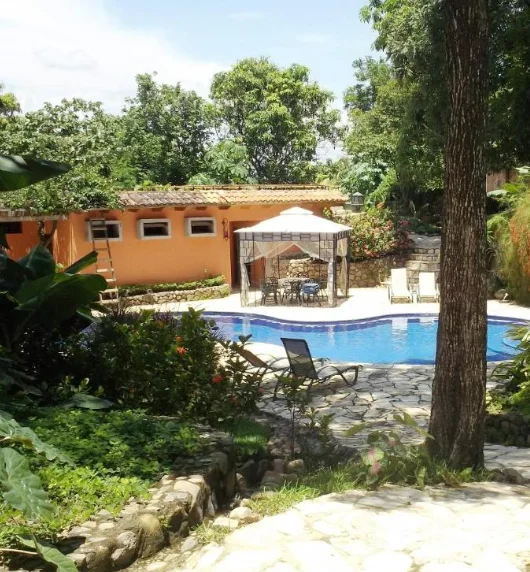
Boutique Hotel Los Almendros de San Lorenzo
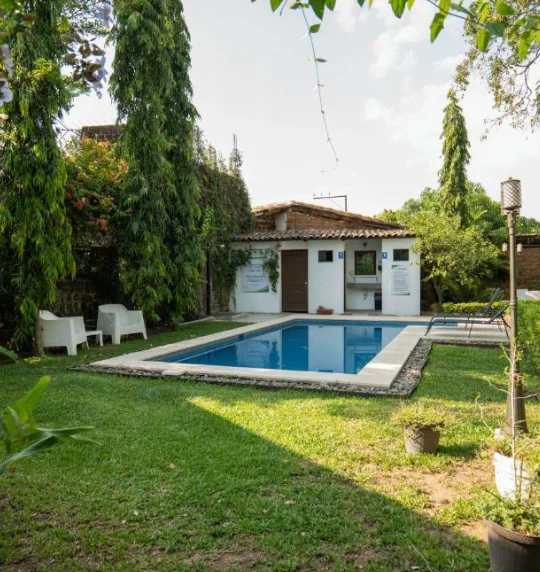
Hotel Jardín de las Marías
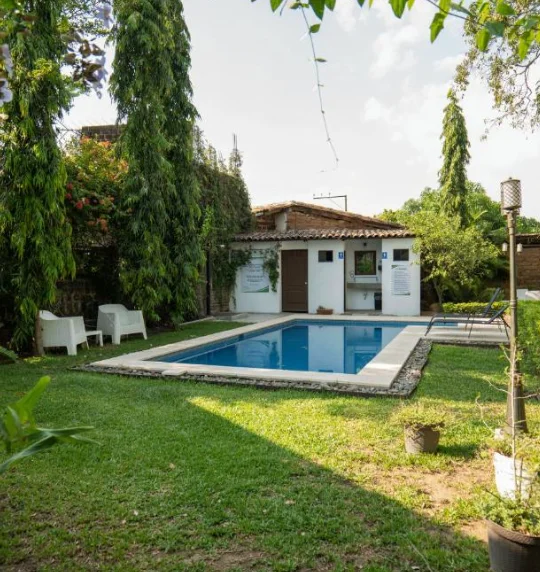
Casa 1800 Suchitoto
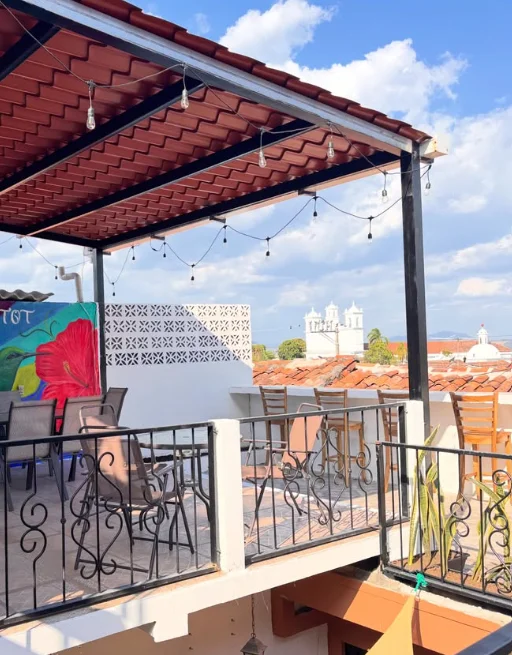
Terrazas Guest House
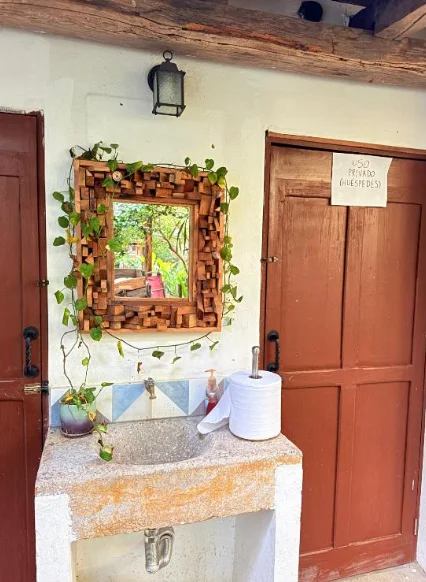
Casa Flamenco Suchitoto
Highlights
Snapshots that tell the story of Suchitoto.
Plan your visit
Everything you need to know before you arrive.
Temperature
19–35°C
66–95°F
Altitude
388 msnm
History of Suchitoto
Suchitoto has pre-Columbian origins, and its name retains Nahuatl roots associated with the image of the bird and the flower. During the colonial era, the population consolidated in its current location, and the production of indigo transformed the local economy. The blue dye left a mark that today reappears in workshops and festivals. In 1835, Suchitoto was designated the head of the newly created department of Cuscatlán; it maintained this role until 1861, when it was transferred to Cojutepeque. It was granted the title of city in the mid-19th century. The civil war caused confrontations, displacements, and abandonment in the municipality. After the Peace Accords, residents, artists, and cultural promoters participated in its recovery. The work of filmmaker Alejandro Cotto helped to project it as a city of the arts. In 1997, its historical ensemble was declared of cultural interest. The cobblestone streets, patios, adobe and tile houses, and indigo workshops today showcase these different stages.
Fun facts
Want to visit Suchitoto?
Tours, local guides, private transport and car rental. Tell us what you need and we'll arrange it for you.

TuChero · AI guide
Artificial Intelligence specialized in El Salvador
Want to discover more places?
Ask TuChero, your AI travel guide, for the best places, tips and recommendations for traveling around El Salvador.