
San Miguel
About San Miguel
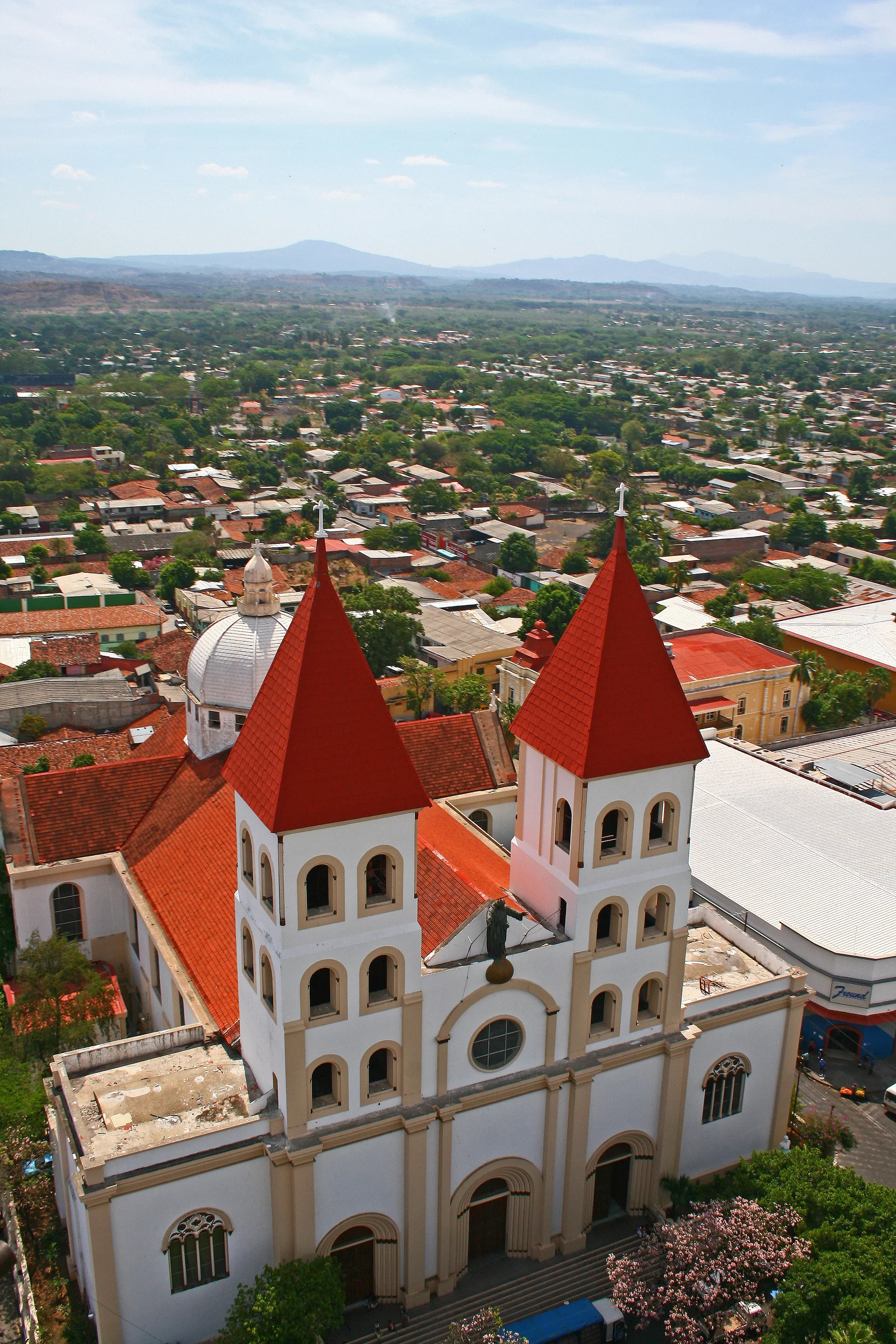
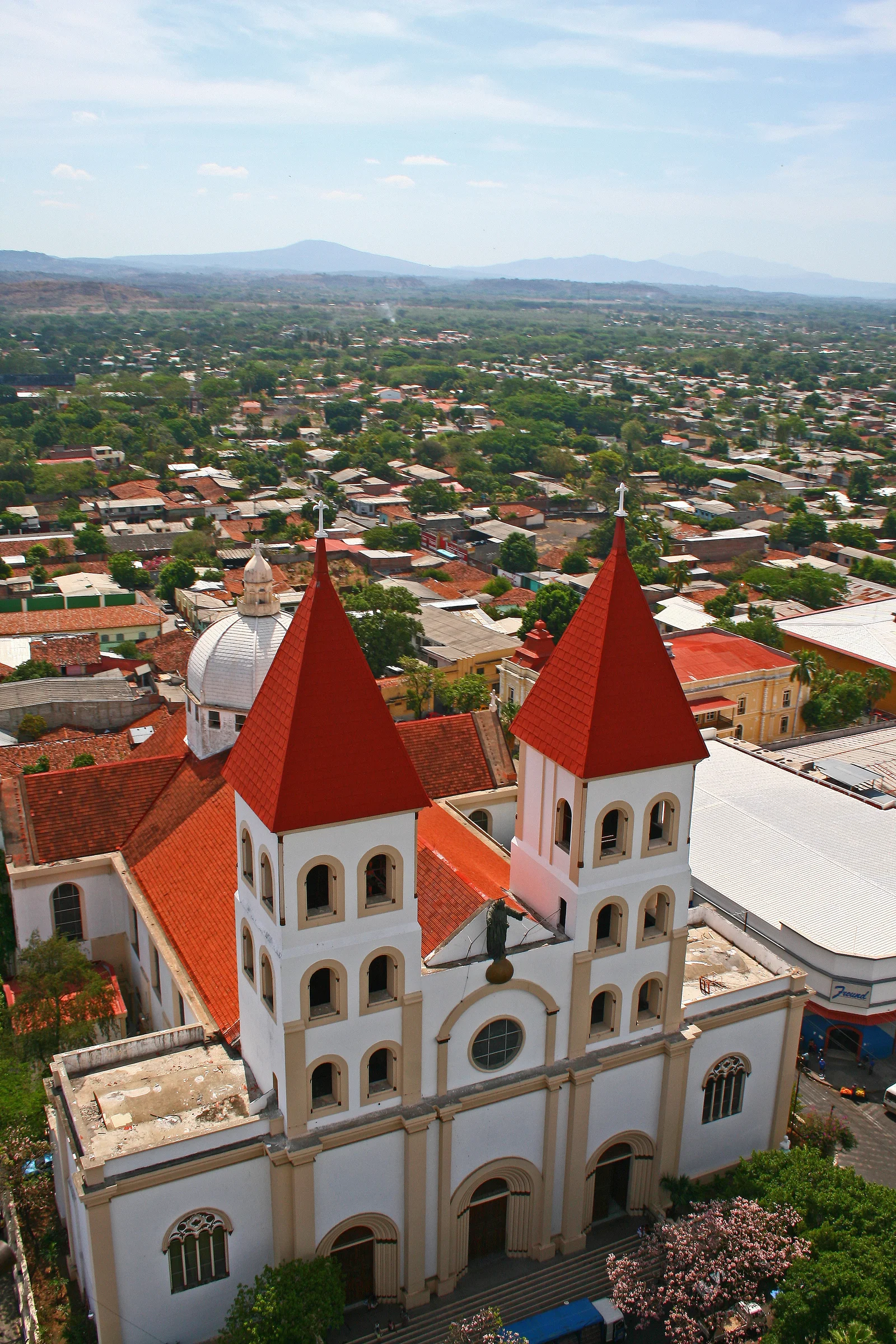
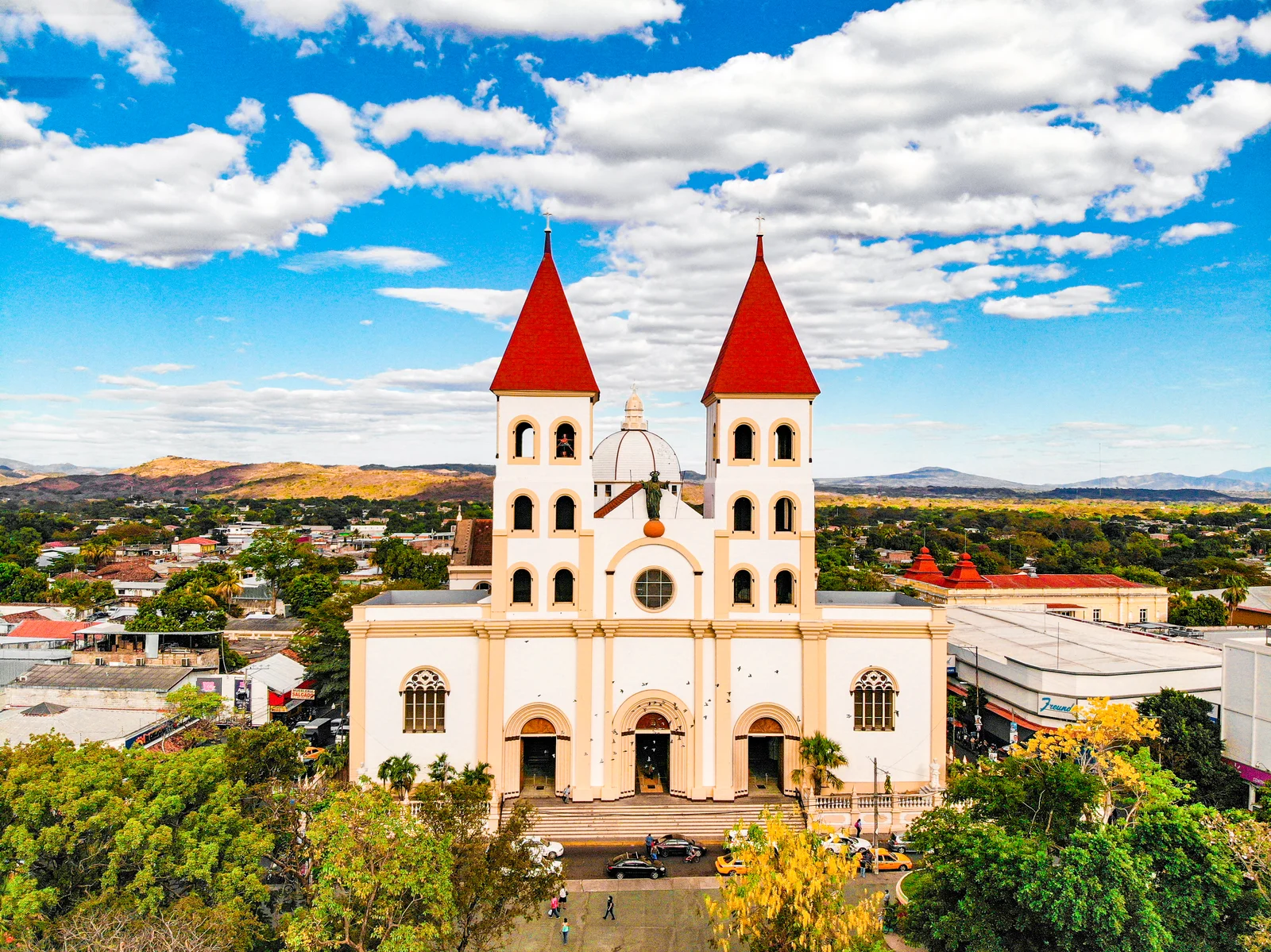
San Miguel is one of the main commercial centers in eastern El Salvador and the city of the November Carnival. Its cathedral, Guzmán Park, and Francisco Gavidia Theater offer a glimpse into local history amidst streets filled with commerce and food. The Chaparrastique volcano dominates the surrounding landscape. From the city, you can organize visits to the Olomega and El Jocotal lagoons, or continue on to the beaches and mountains of the east.
Explore San Miguel
Activities, restaurants and stays recommended by Experiences.
Where to eat
Tap a card for more info and location
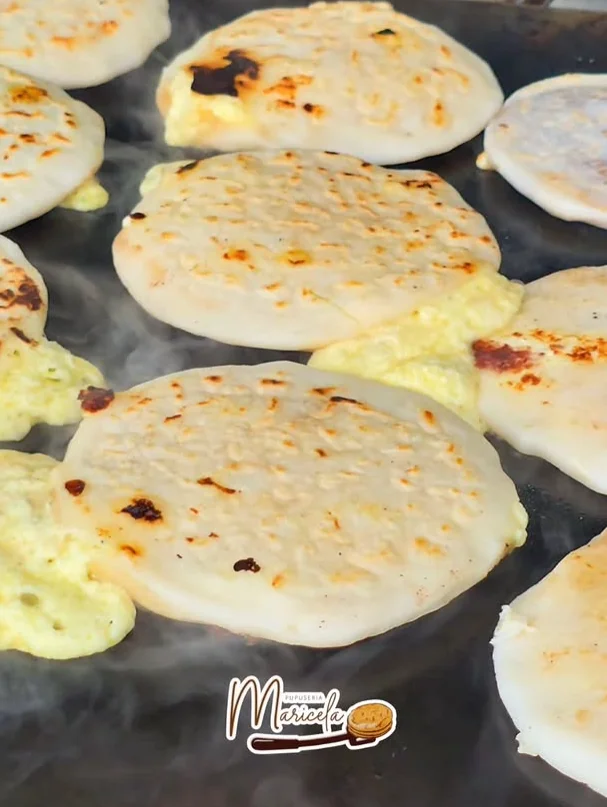
Pupusería Maricela
Pupusería Maricela
Neighborhood pupuseria in the center of San Miguel, on 10th North Avenue. A simple spot to try freshly made pupusas in the Migueleno style.
10A Avenida Norte, San Miguel
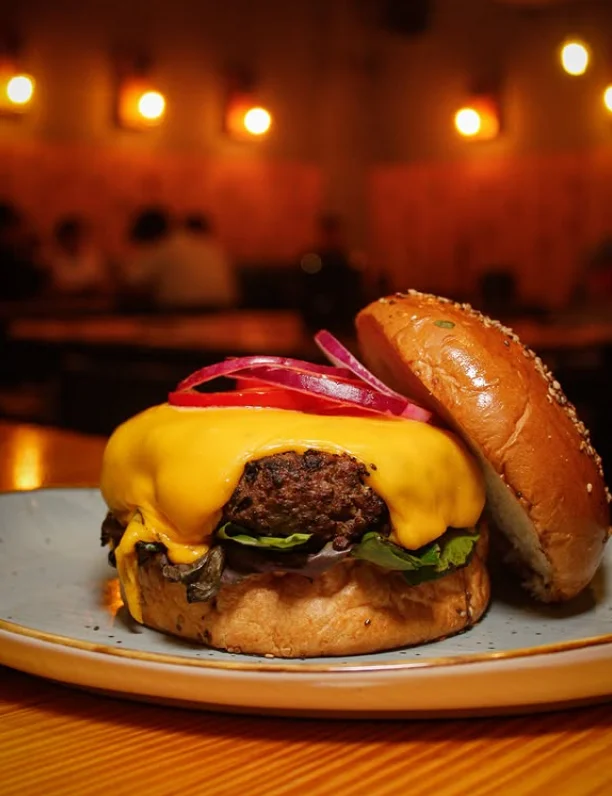
Torolomo
Torolomo
Restaurant in the center of San Miguel, one of the most popular in the city for its seafood and meat cuisine. Extensive à la carte menu and family-friendly atmosphere.
8a Calle Poniente 405, frente a Didea, San Miguel
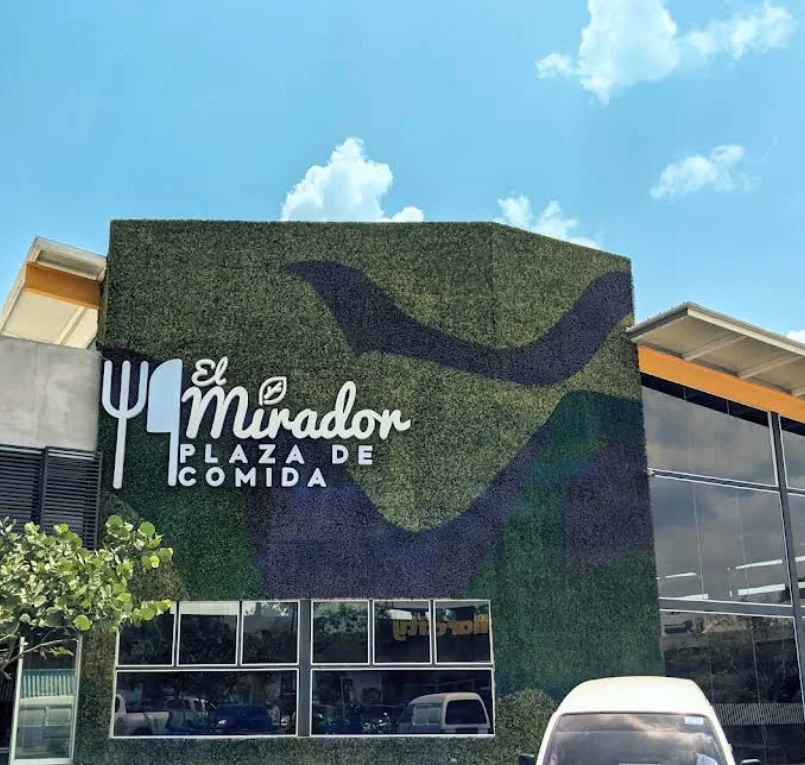
El Encuentro El Sitio
El Encuentro El Sitio
Shopping center with restaurants
Antigua calle a Quelepa, CA-1, San Miguel
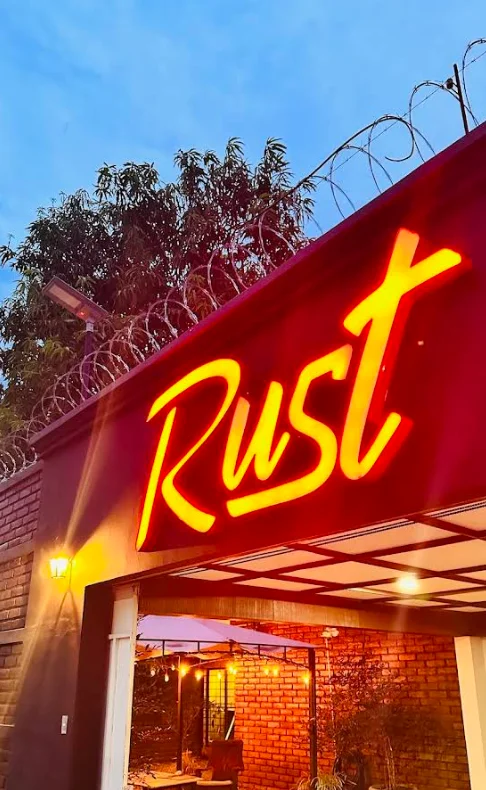
RUST
RUST
Specialty in grilled cuts, hamburgers, and craft beer.
7a Calle Poniente 1004, San Miguel
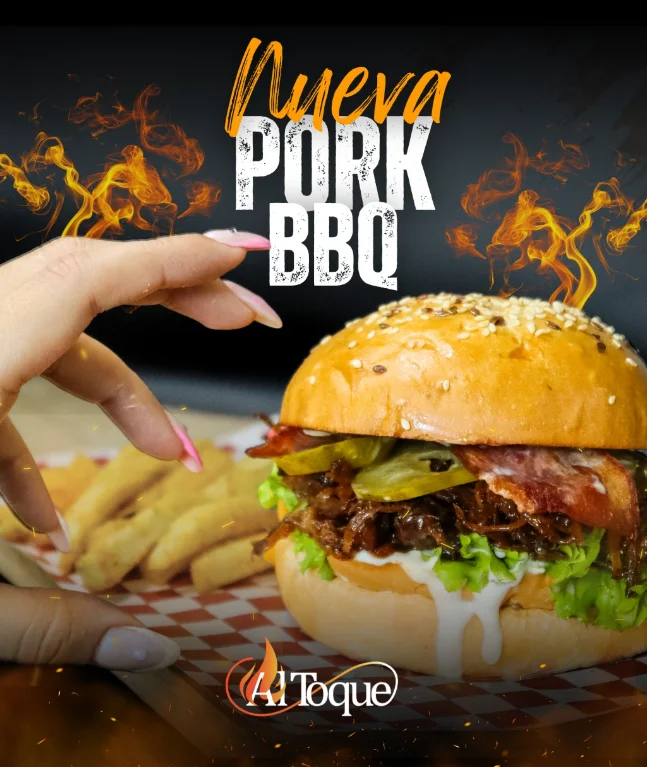
Al Toque
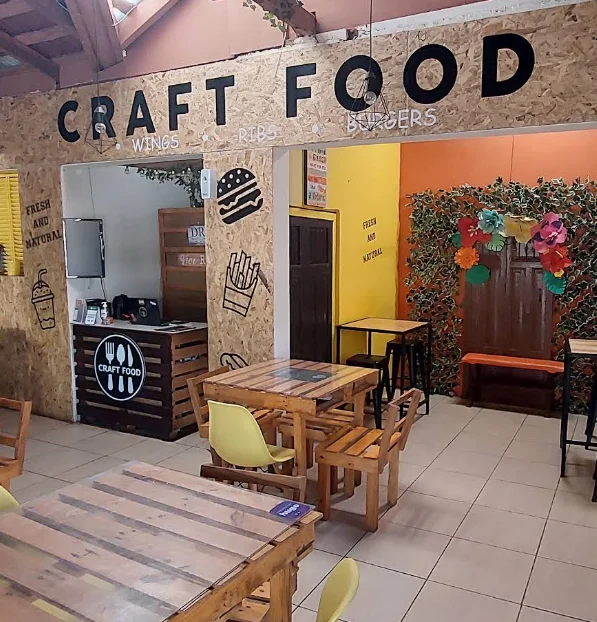
Craft food
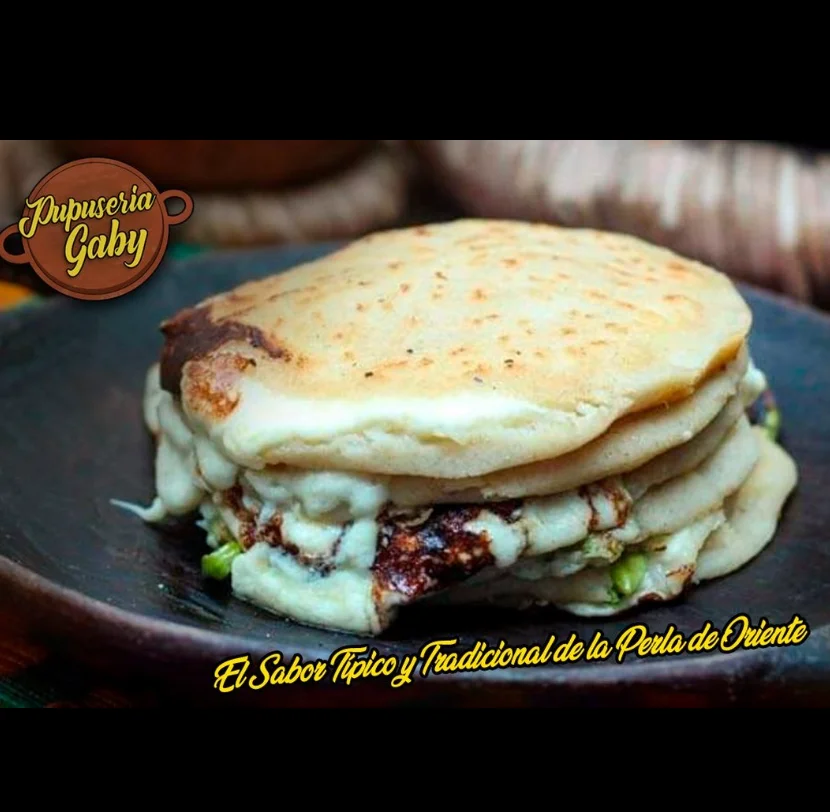
Pupusería Gaby
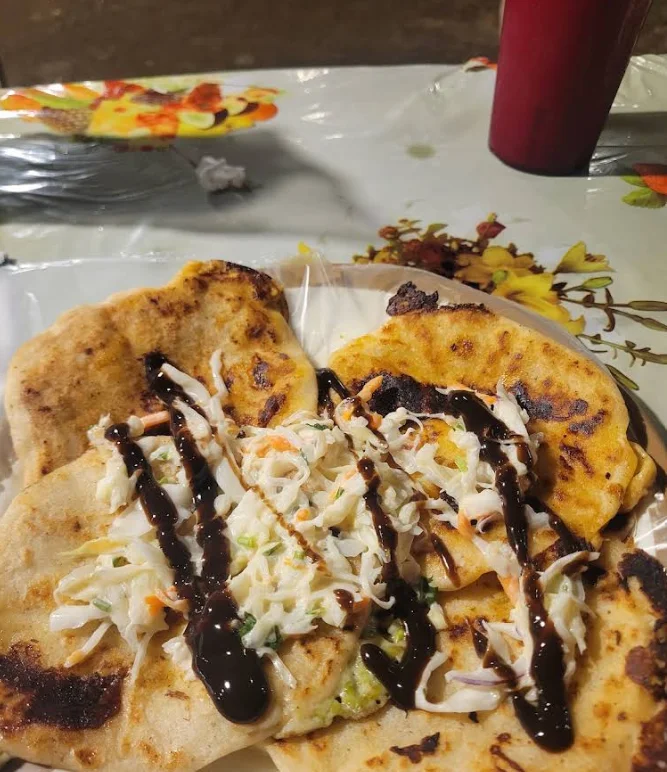
La Antigua Pupusería
Cafés & Bars
Tap a card for more info and location

20 Gramos Café
20 Gramos Café
Specialty coffee shop in San Miguel that prepares origin coffee methods, espresso, and pastries.
Pje. José Simeón Cañas, Polígono F, San Miguel
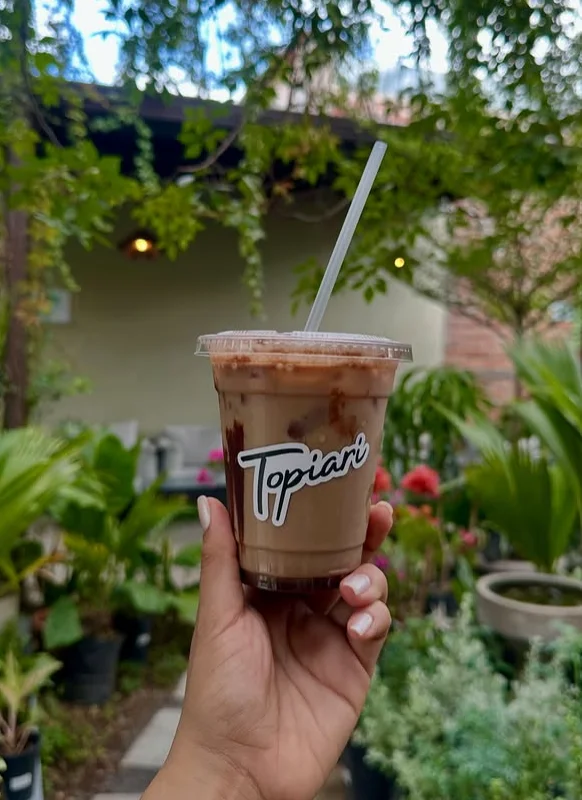
Topiari Café
Topiari Café
Café with a tranquil atmosphere and garden, renowned for its homemade pastries. Offers coffee, breakfasts, and snacks in an outdoor setting.

Lola's Bistro Café
Lola's Bistro Café
Café-bistro on the Pan-American Highway, next to Maxi Despensa. Coffee menu, breakfasts, and light bistro-style dishes in a cozy setting.
Carretera Panamericana, junto a Maxi Despensa, San Miguel
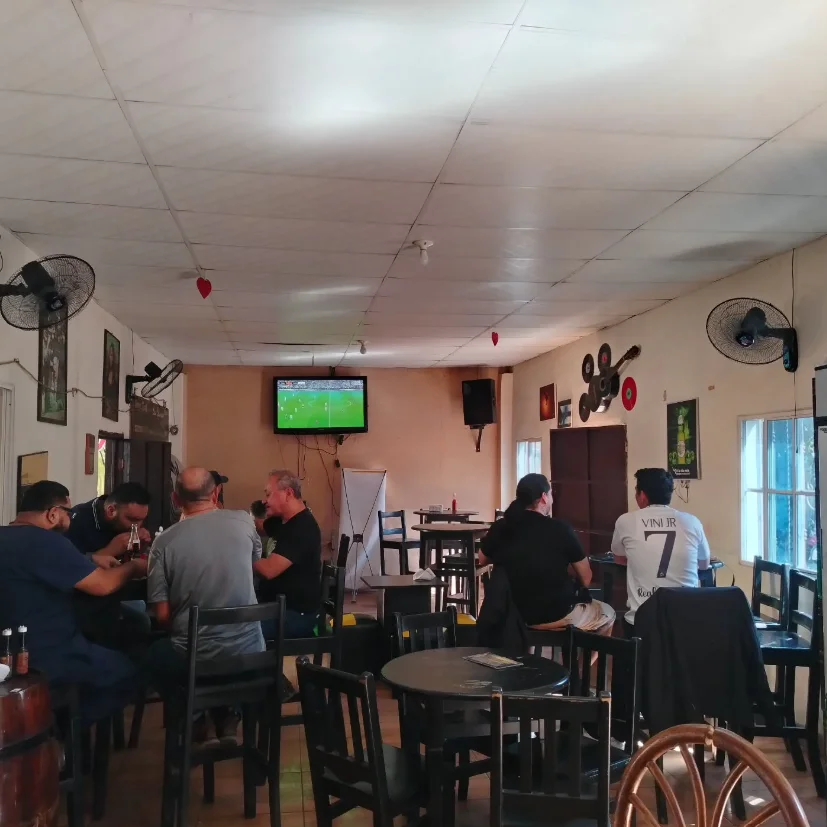
Bar Los 80's
Bar Los 80's
Retro-themed bar with music from the 1980s.
9a Calle Poniente #510, San Miguel
Where to stay
Tap a card for more info and location
Hotel Villa San Miguel
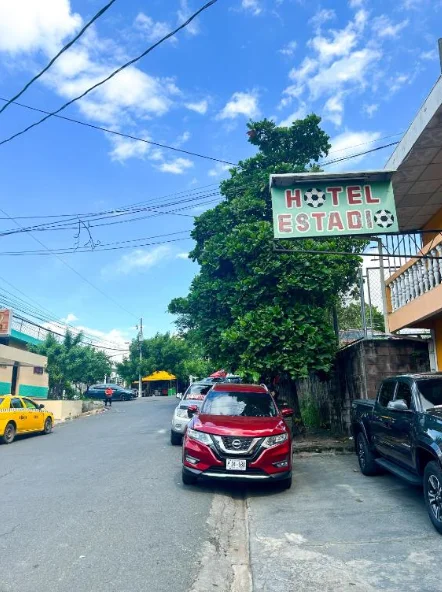
Hotel Estadio
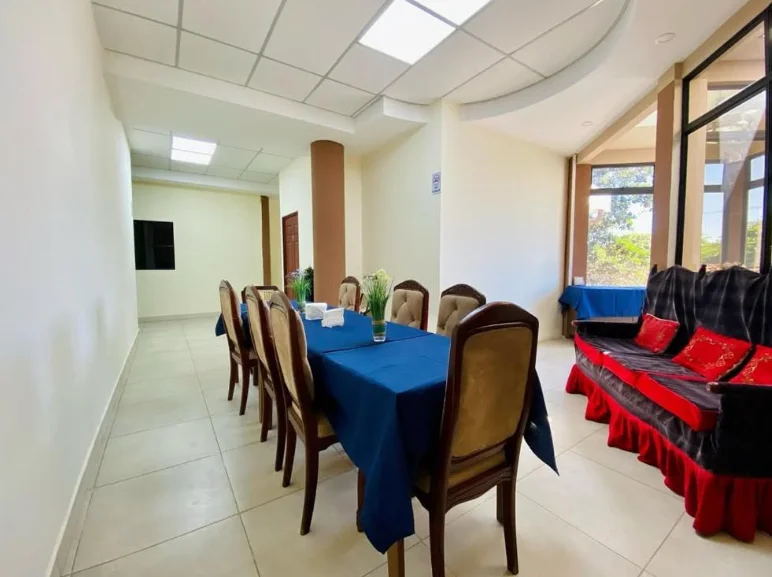
Hotel D' Palacio Real
Highlights
Snapshots that tell the story of San Miguel.
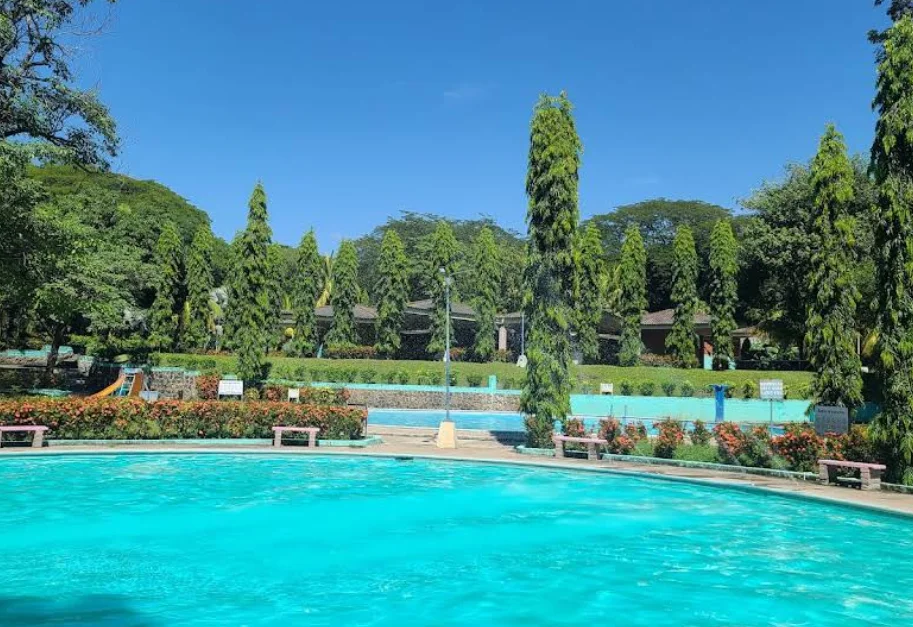 Turicentro
01 / 03
Altos de la Cueva Recreational Park
Family tourist center with pools in San Miguel.
 Nature
02 / 03
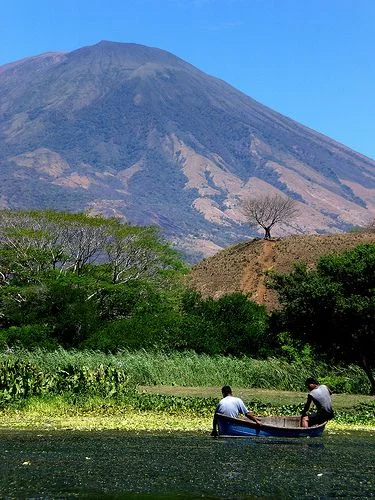
El Jocotal Lagoon
Sanctuary of waterfowl amidst swamps and ancient lava flows of Chaparrastique.
 Nature
03 / 03
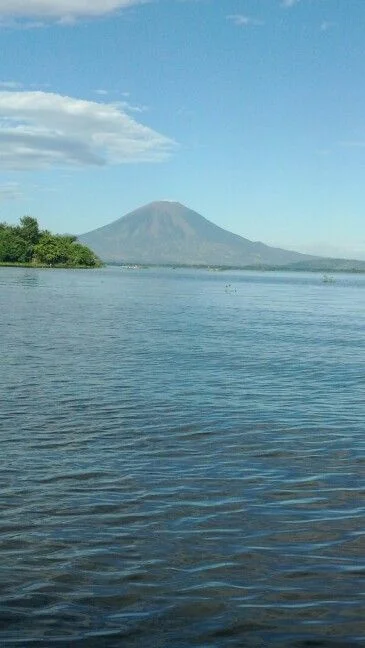
Olomega Lagoon
Wetland of islands and water birds with views of Chaparrastique Volcano.
Plan your visit
Everything you need to know before you arrive.
Temperature
19–39°C
66–102°F
Altitude
110
History of San Miguel
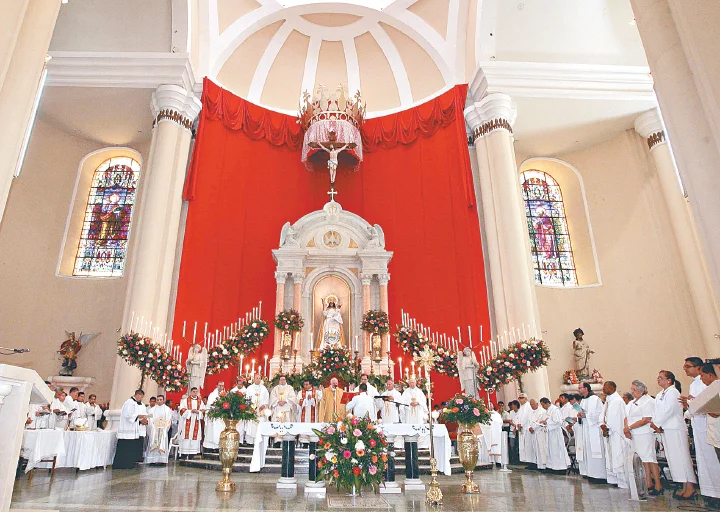
San Miguel was founded as a Spanish villa in 1530, in a region of the east inhabited by indigenous peoples, including Lenca communities. Luis de Moscoso established it under the name San Miguel de la Frontera as part of the colonial expansion beyond the Lempa River. The first settlement did not necessarily coincide with the current city: its early history includes reorganizations and relocations. Over time, it solidified as a center for trade and services for the eastern region. The devotion to Our Lady of Peace became central to its identity. According to religious tradition, during the eruption of Chaparrastique in 1787, the population sought her protection and attributed the fact that the lava did not destroy the city to her intercession. In the 19th century, the construction of the cathedral began, and in 1909, the theater now known as Francisco Gavidia opened. Since 1959, the Carnival has added another expression of identity: a street festival that brought orchestras out of private halls.
Fun facts
Want to visit San Miguel?
Tours, local guides, private transport and car rental. Tell us what you need and we'll arrange it for you.

TuChero · AI guide
Artificial Intelligence specialized in El Salvador
Want to discover more places?
Ask TuChero, your AI travel guide, for the best places, tips and recommendations for traveling around El Salvador.