
La Libertad
About La Libertad
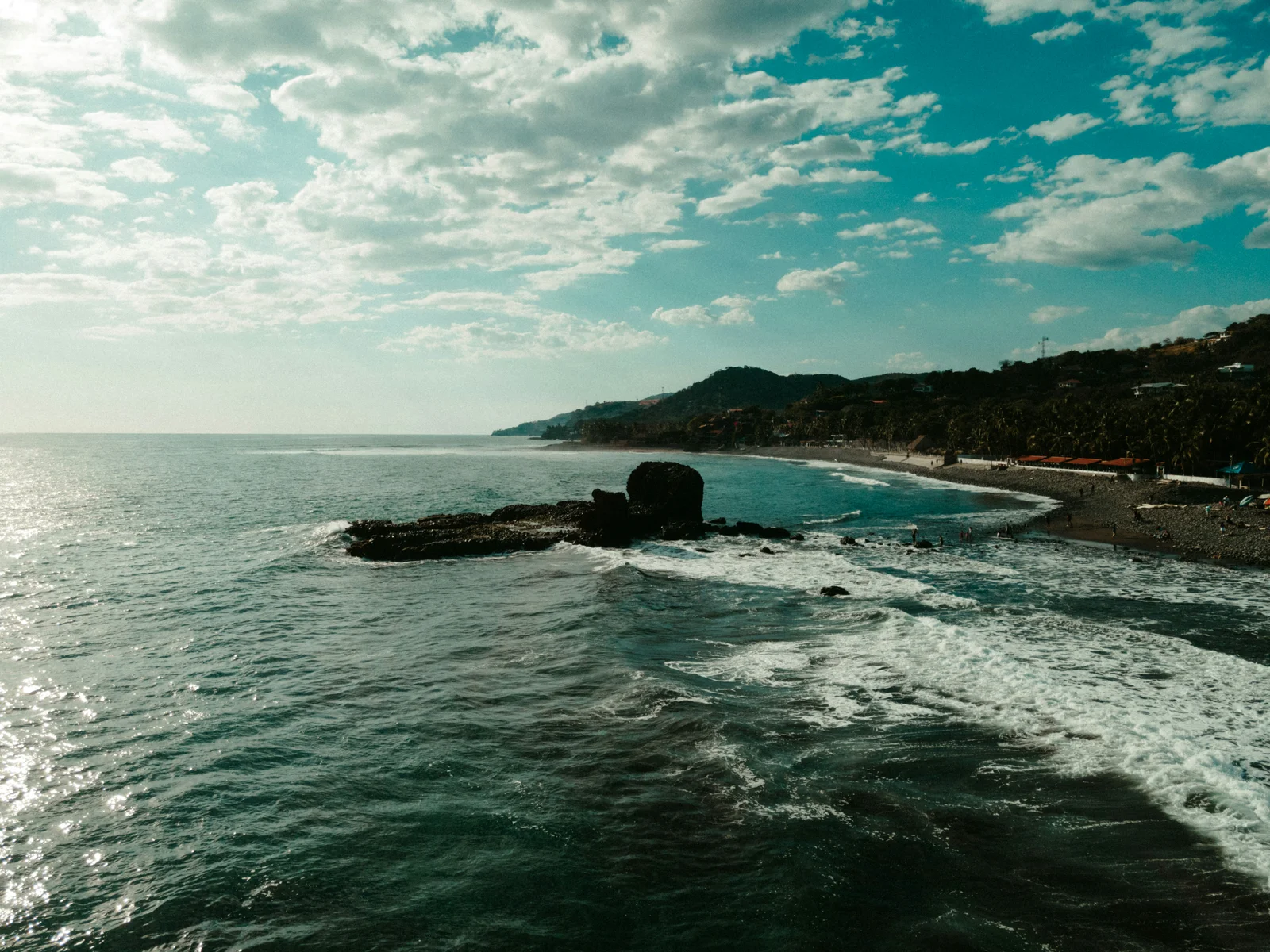
The coast of La Libertad, known as Surf City, is one of the top surfing areas in El Salvador and features world-class waves like La Bocana and El Sunzal. Its volcanic sand beaches bring together fishing communities, surf schools, accommodations, and restaurants facing the Pacific. The Port of La Libertad, El Tunco, and El Zonte offer distinct atmospheres within the same coastal corridor located near San Salvador.
Explore La Libertad
Activities, restaurants and stays recommended by Experiences.
Where to eat
Tap a card for more info and location
La Cajita Kitchen
La Posada 3
Pupusería El Sol
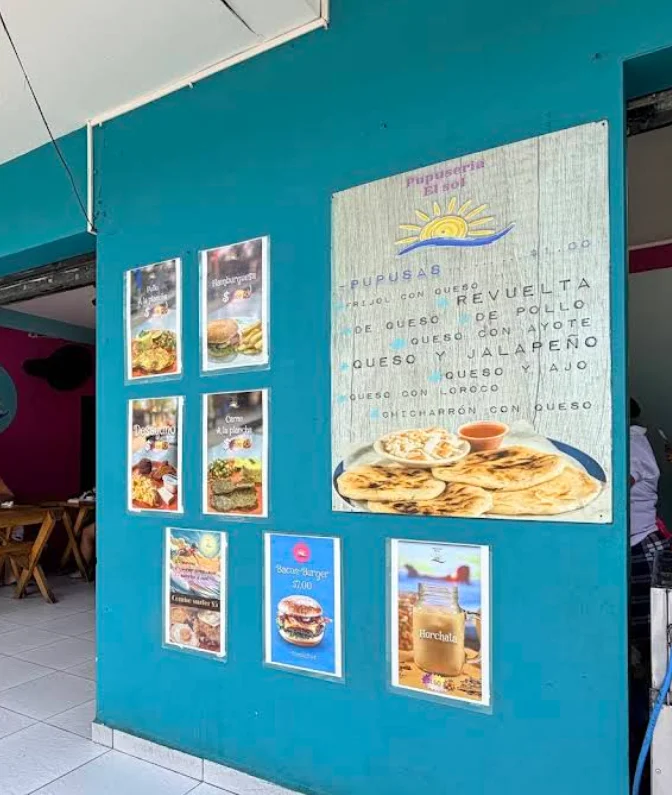
Pupusería El Sol
Traditional pupusería near the Manantiales de Vida Eterna Church, just a few steps from El Tunco Beach. A popular spot among visitors for its authentic Salvadoran pupusas.
Playa El Tunco, Tamanique
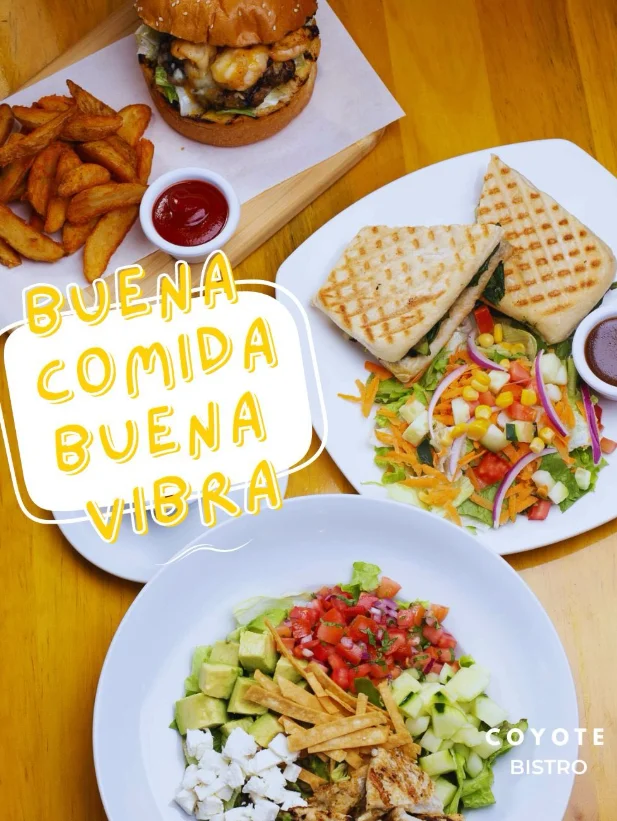
Coyote Bistro Café
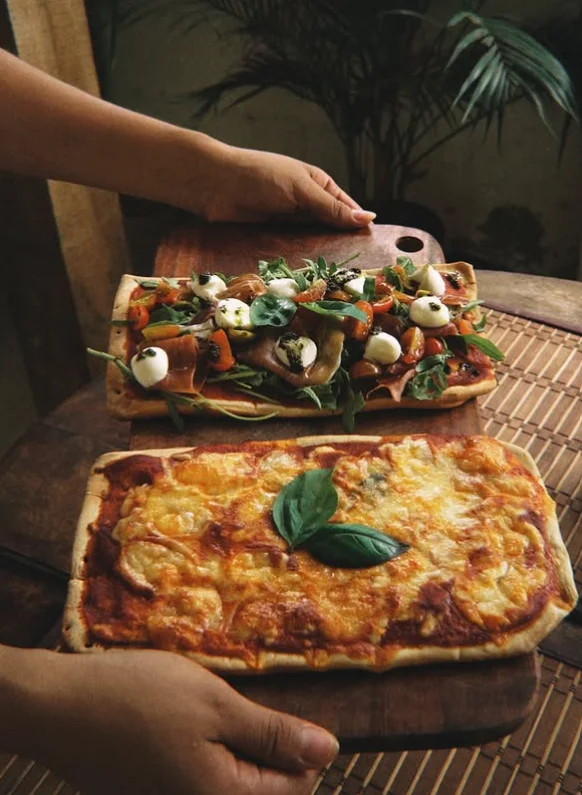
Low Tide Eatery
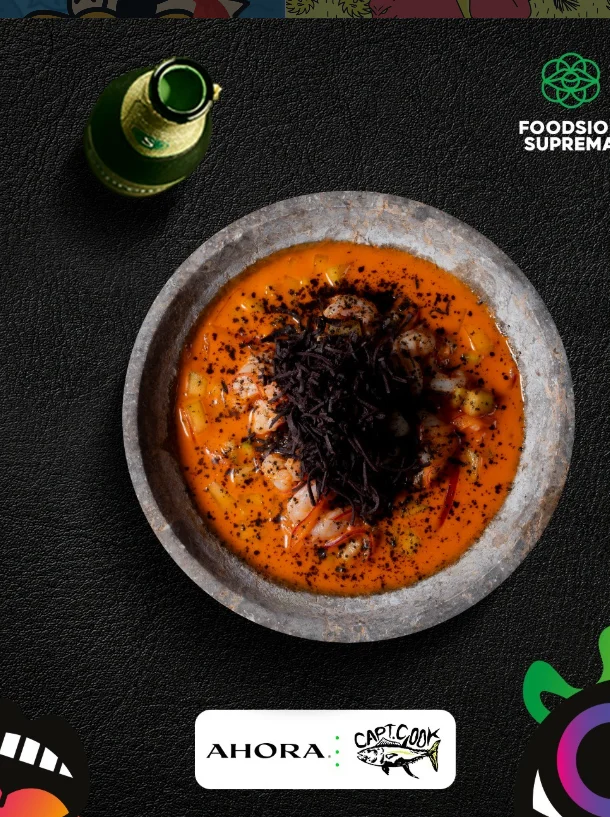
Capt. Cook Restaurant
Capt. Cook Restaurant
Centro Comercial Tunco Town Plaza, Calle Principal, Carr. Tamanique, Tamanique CP 1522
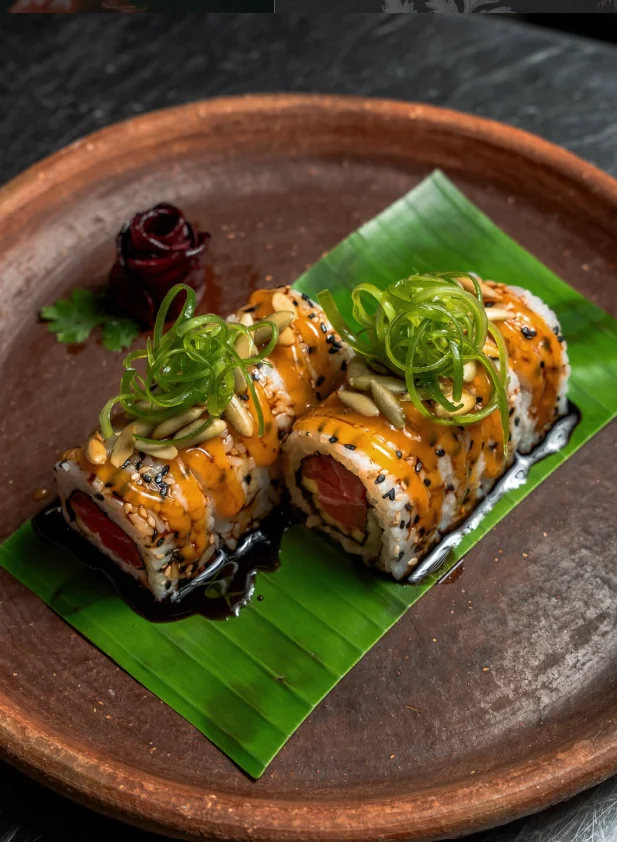
Roka Restaurante El Zonte
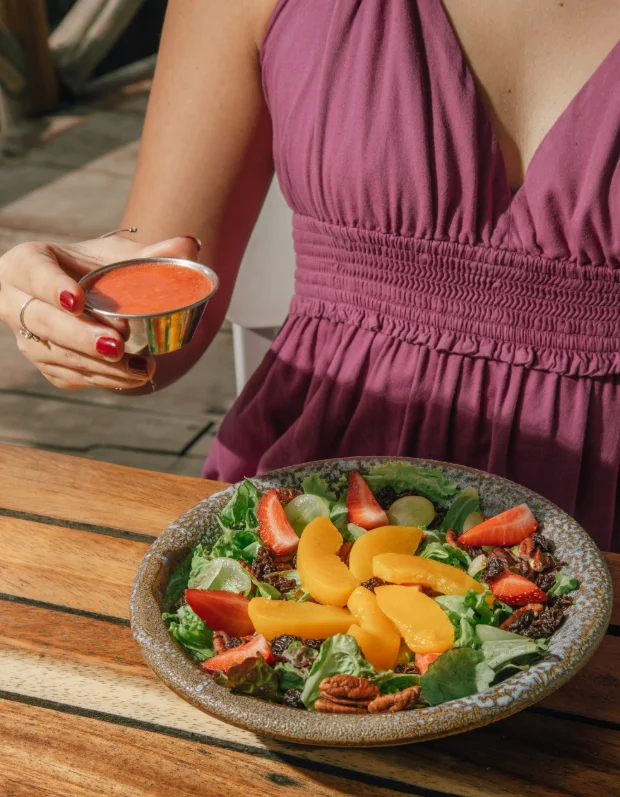
Covana Seaside Kitchen
Covana Seaside Kitchen
km 52.5 Carretera del Litoral, Playa El Zonte, Puro Surf, Chiltiupán
Cafés & Bars
Tap a card for more info and location
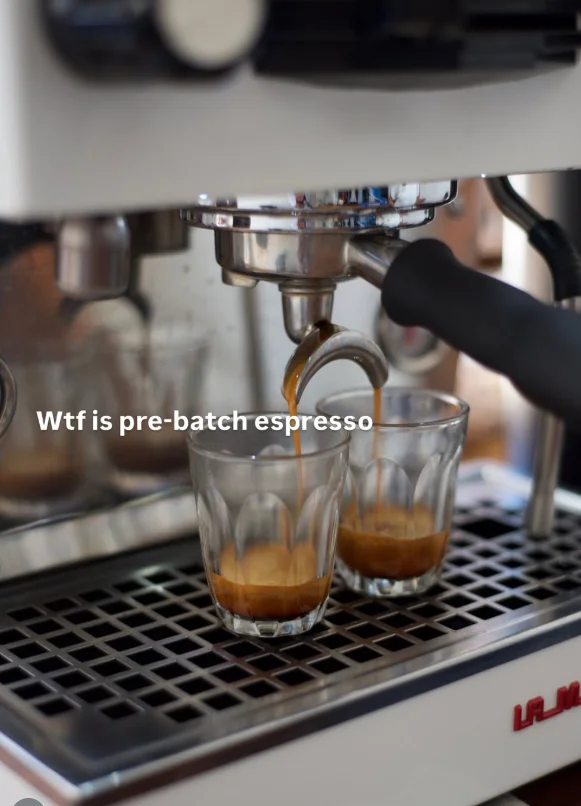
Tusell Tostadores
Tusell Tostadores
Specialty coffee roasters from El Salvador since 2013, with locations in El Tunco and San Salvador. They work with varieties such as Bourbon and Pacamara, offering fresh roasts for espresso and filter coffee.
Calle Principal, El Tunco
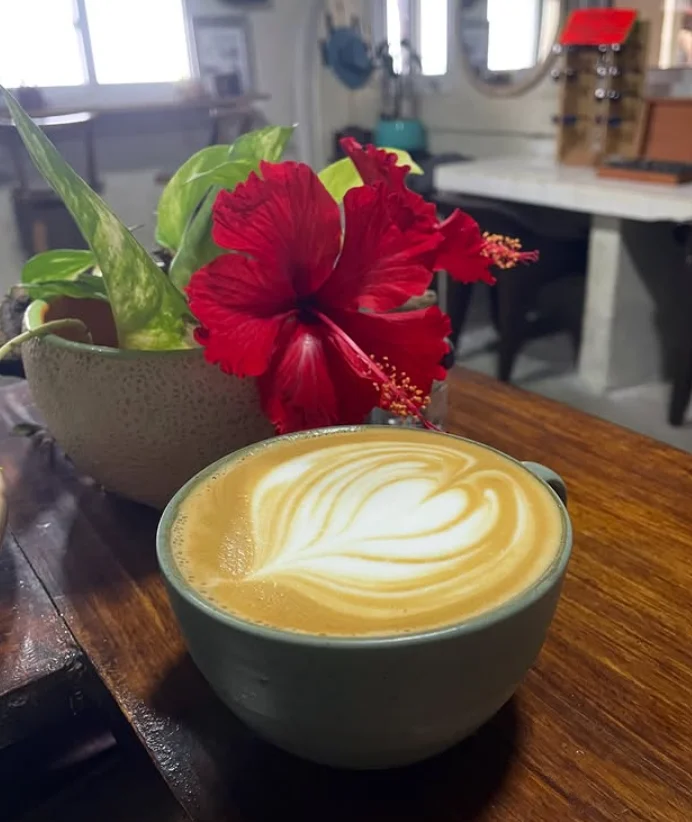
The Surf Hub
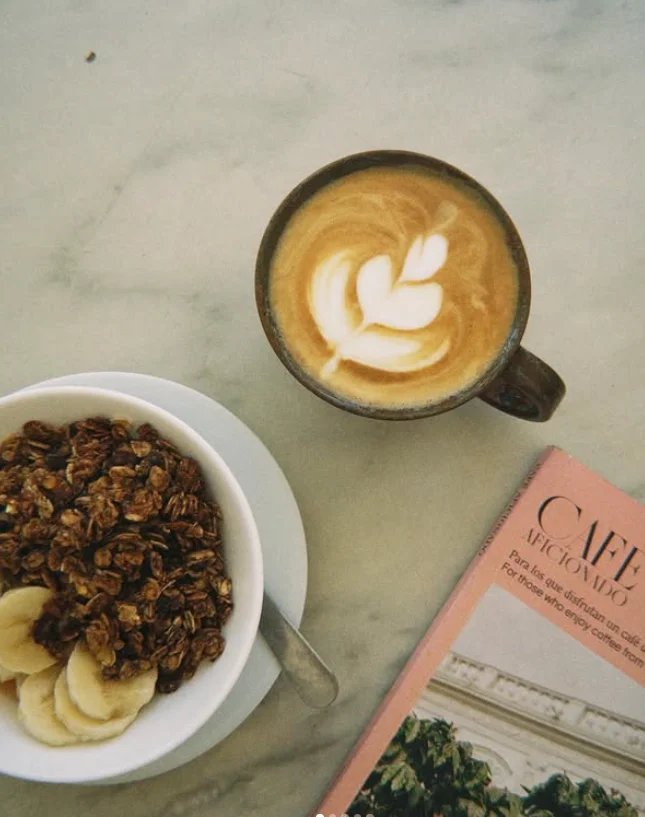
Cafe Cocoa
Cafe Cocoa
Specialty coffee in Playa El Zonte that works directly with Salvadoran producers under a seed-to-cup model. The first place in the country with a Bitcoin ATM.
Pasaje del Rio Casa 16, El Zonte
Where to stay
Tap a card for more info and location
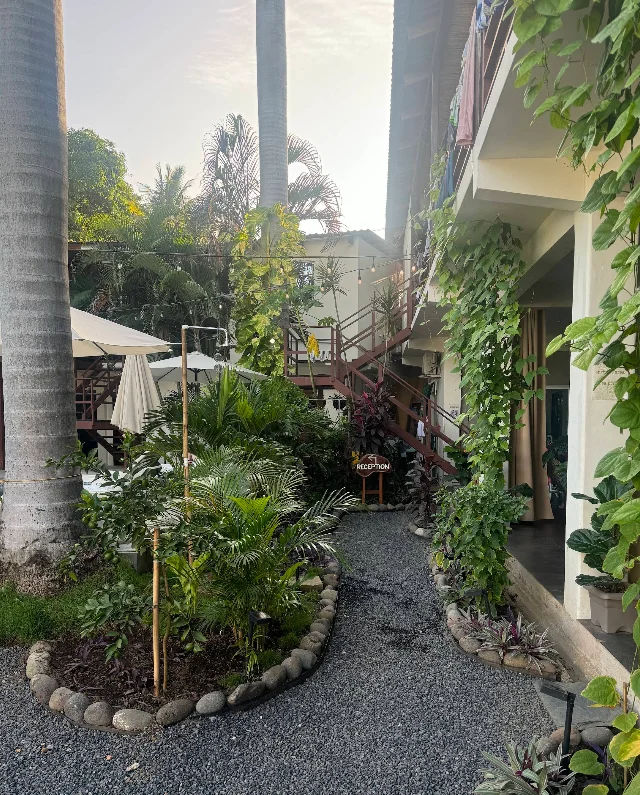
Dos Palmas
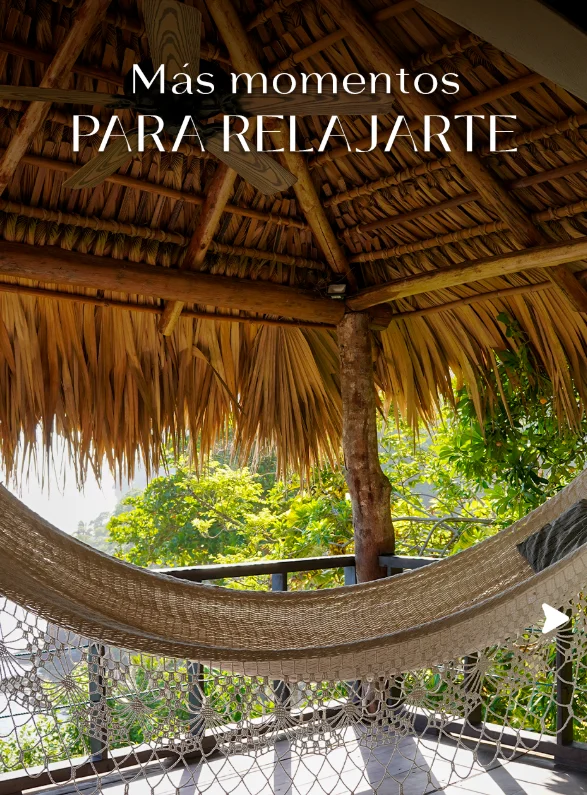
Paraíso Escondido Hotel, Villas & Resort
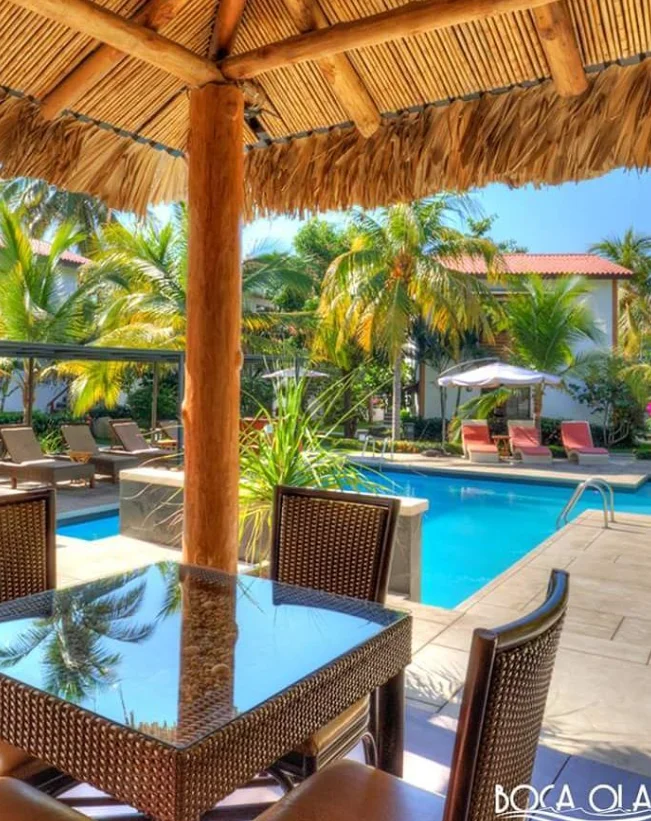
Boca Olas Resort & Villas
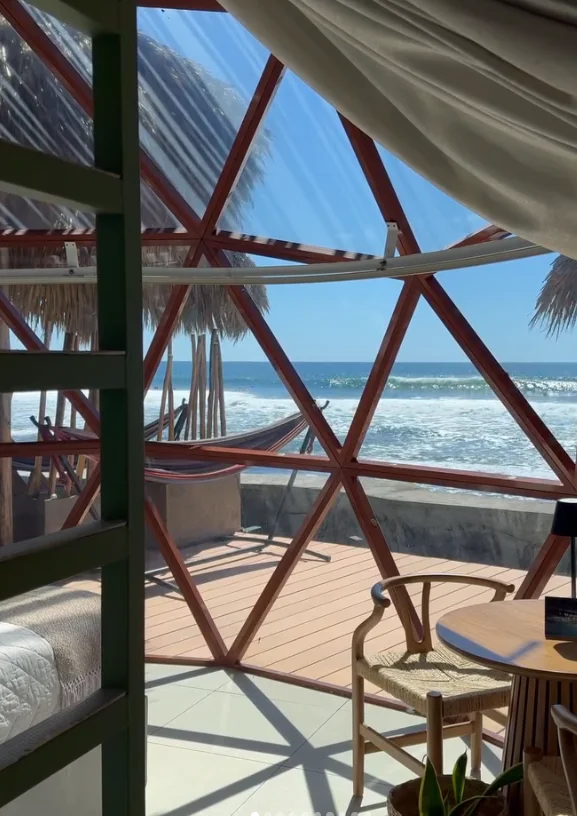
Almare Zonte
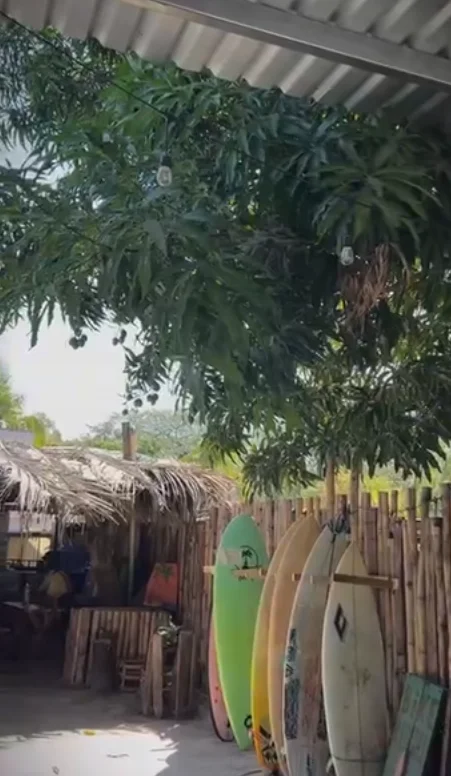
The Duck Dive El Tunco
The Duck Dive El Tunco
Hostel in Tamanique just minutes from El Sunzal Beach, featuring a shared kitchen, air conditioning, and daily social activities such as game nights and pool tournaments.
Tamanique, cerca de Playa El Sunzal
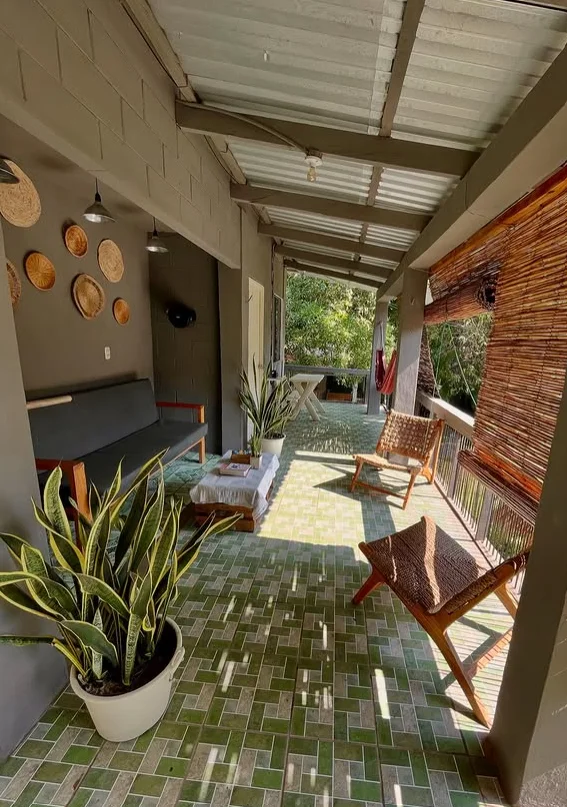
La Canasta
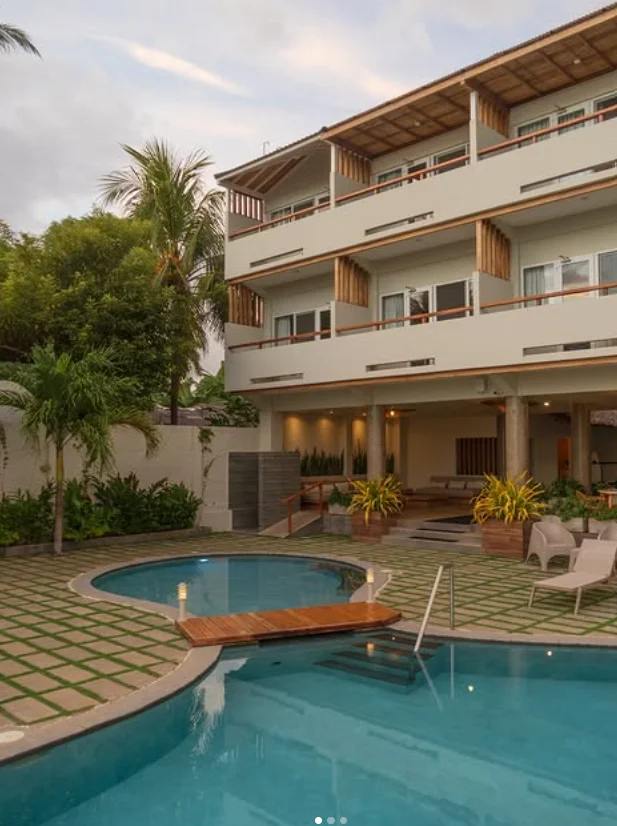
Mirasurf Hotel & Waves
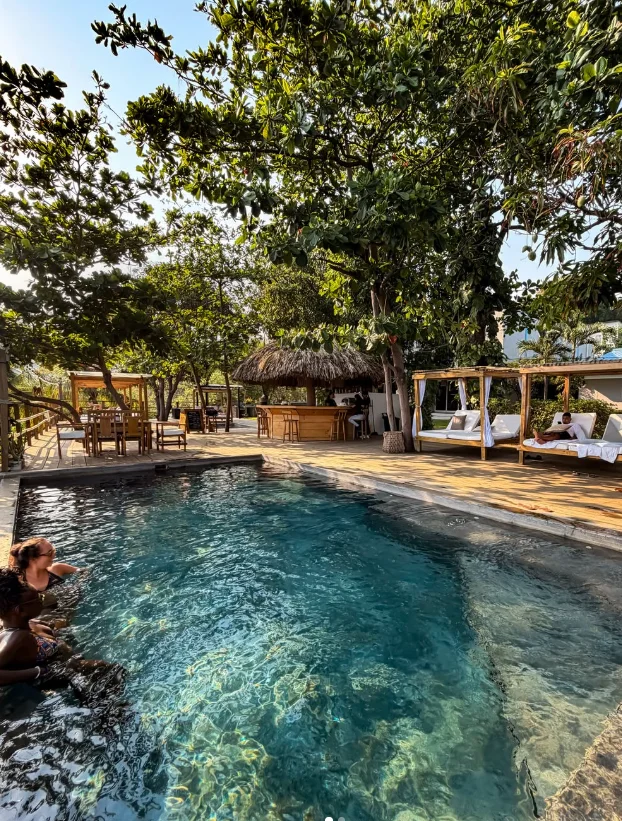
Hotel El Xalli
Highlights
Snapshots that tell the story of La Libertad.
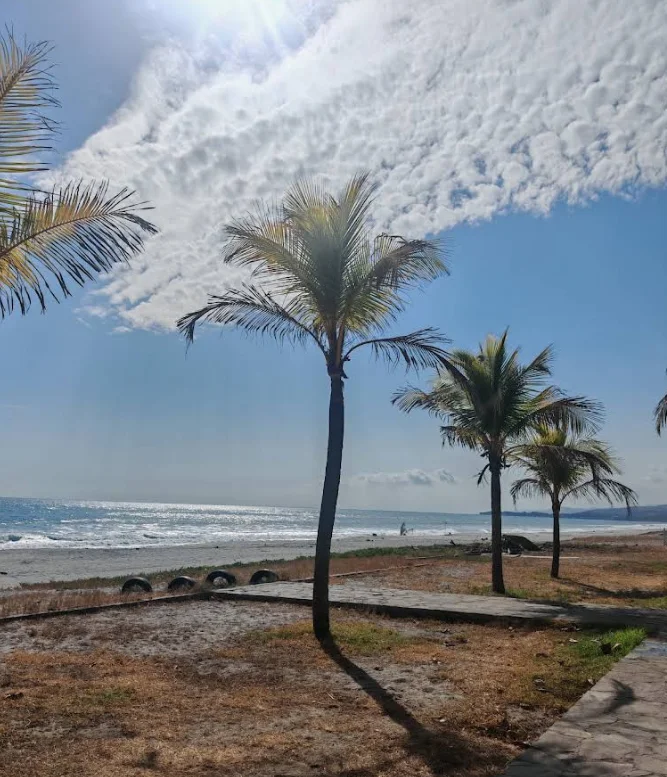 Beach
Beach01 / 14
San Diego Beach
Wide beach of dark sand where the open waves break
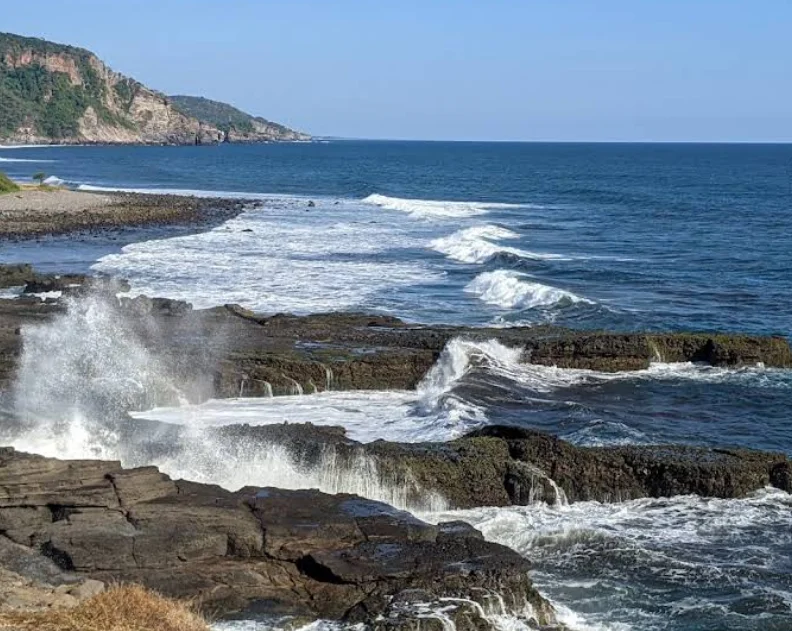 Nature
02 / 14
Taquillo
Saltwater pools between cliffs and dark sand
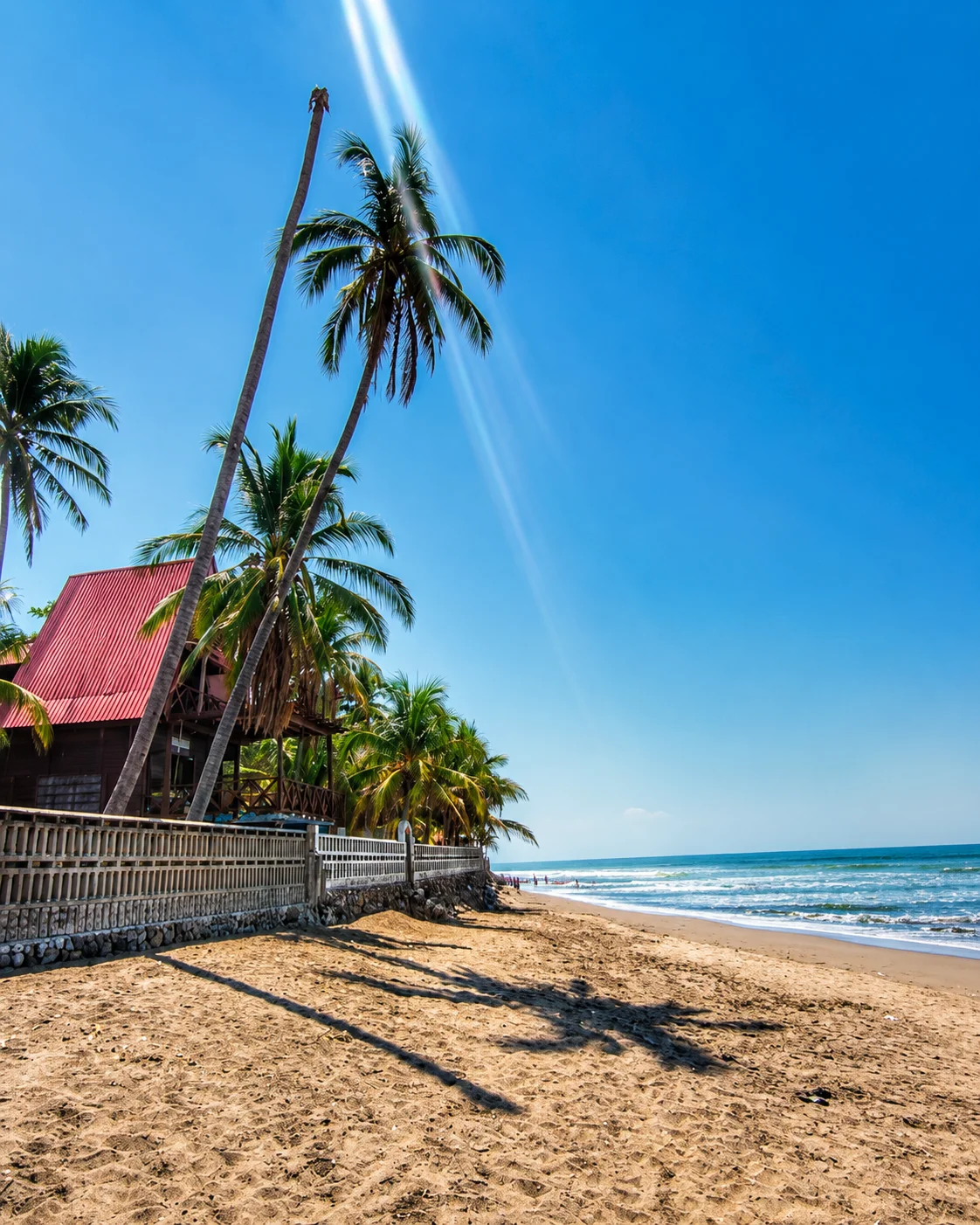 Nature
03 / 14
San Blas Beach
The left side of the shipwreck from 1901.
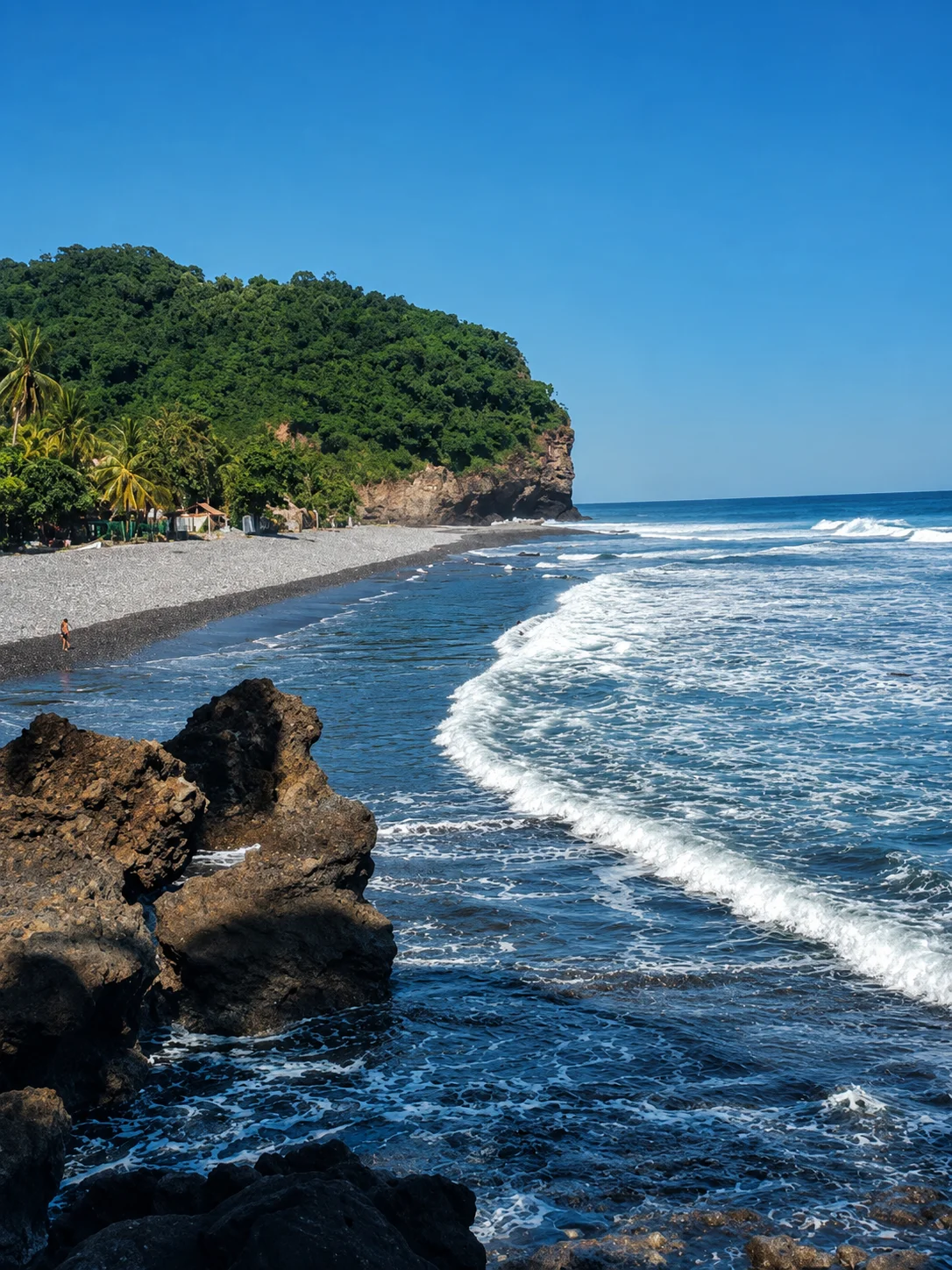
04 / 14
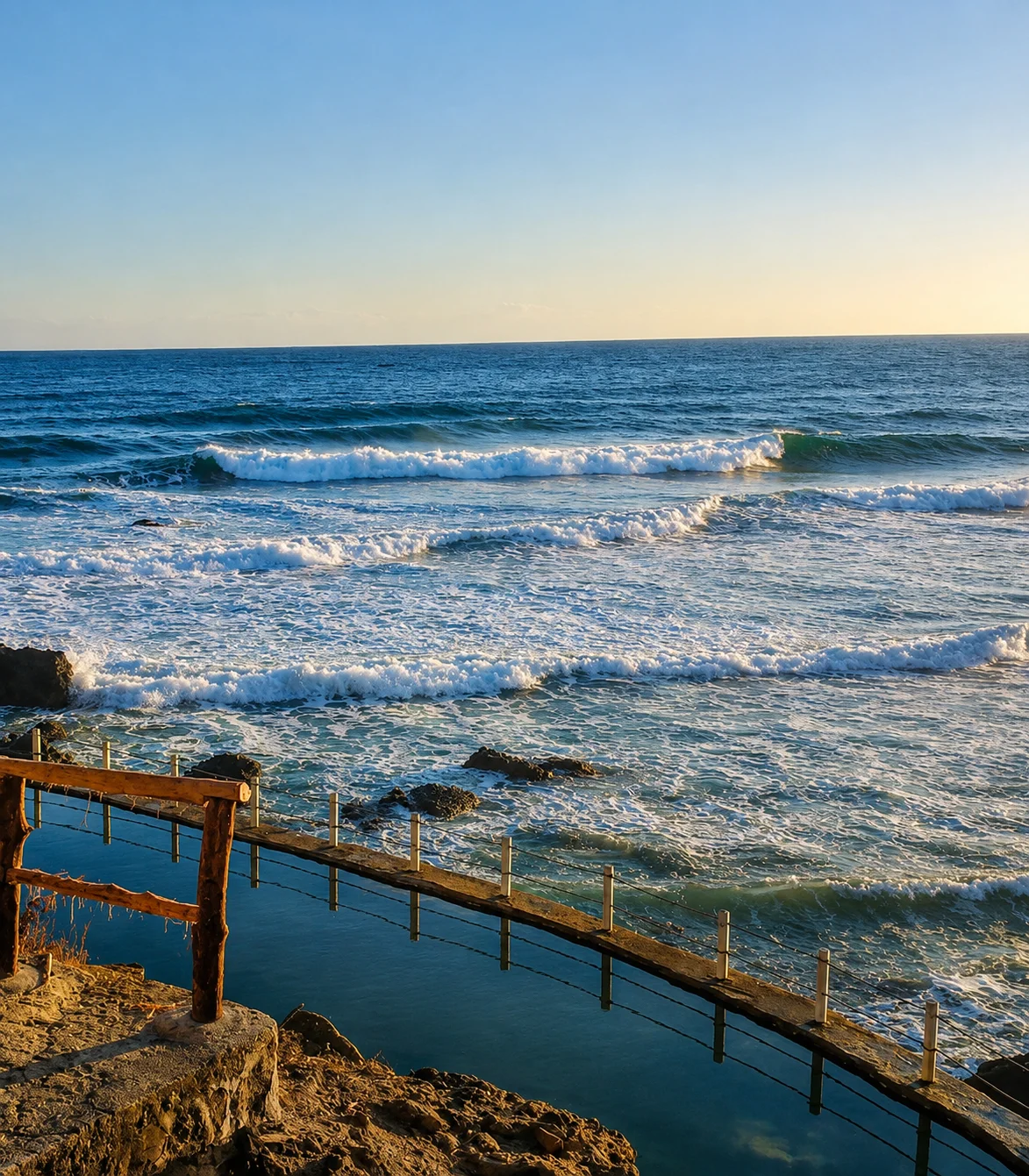
La Perla Beach
The surf fishing beach at the western tip.
05 / 14
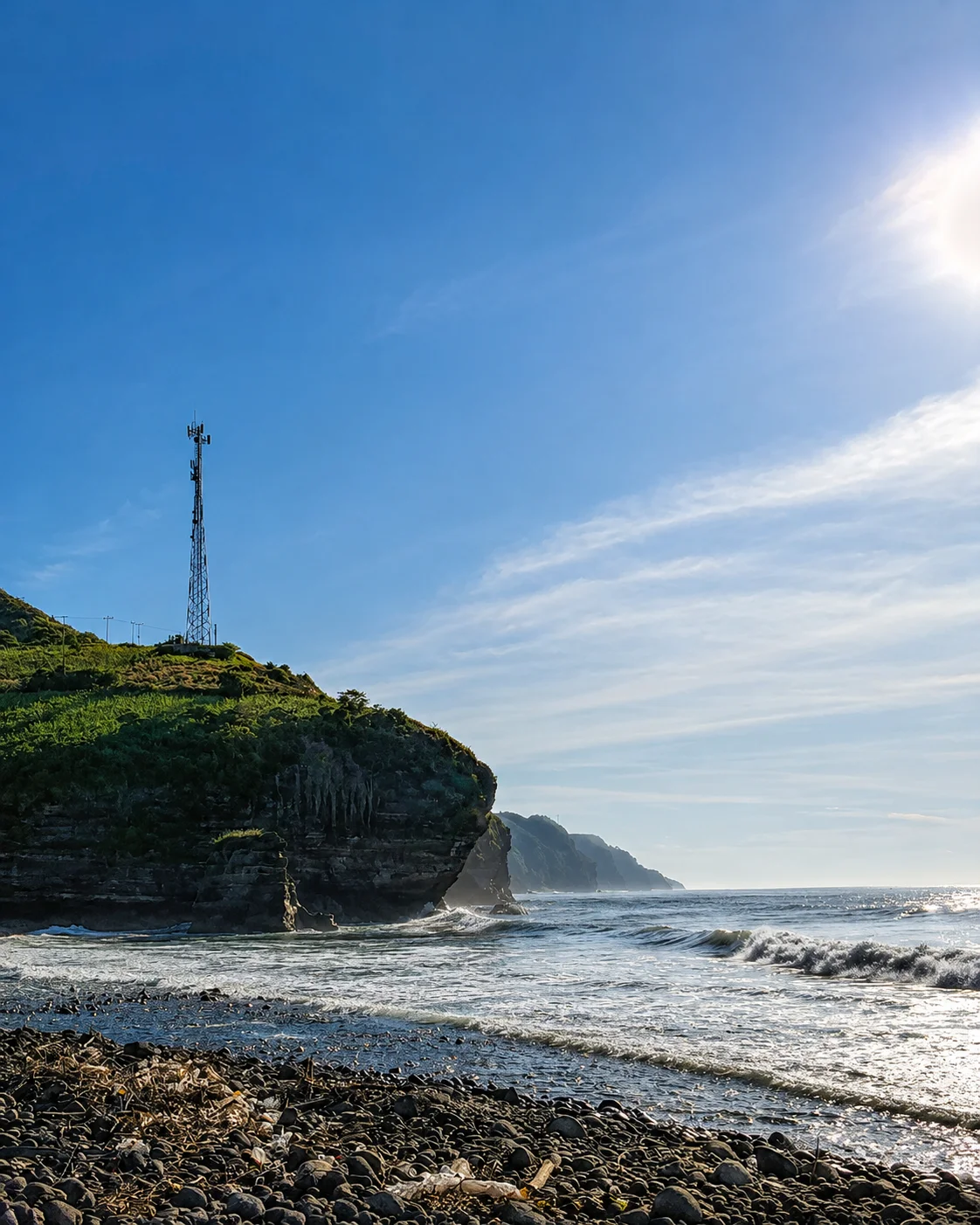
El Palmarcito Beach
The tranquil surf cove between two cliffs.
 Beach
Beach06 / 14
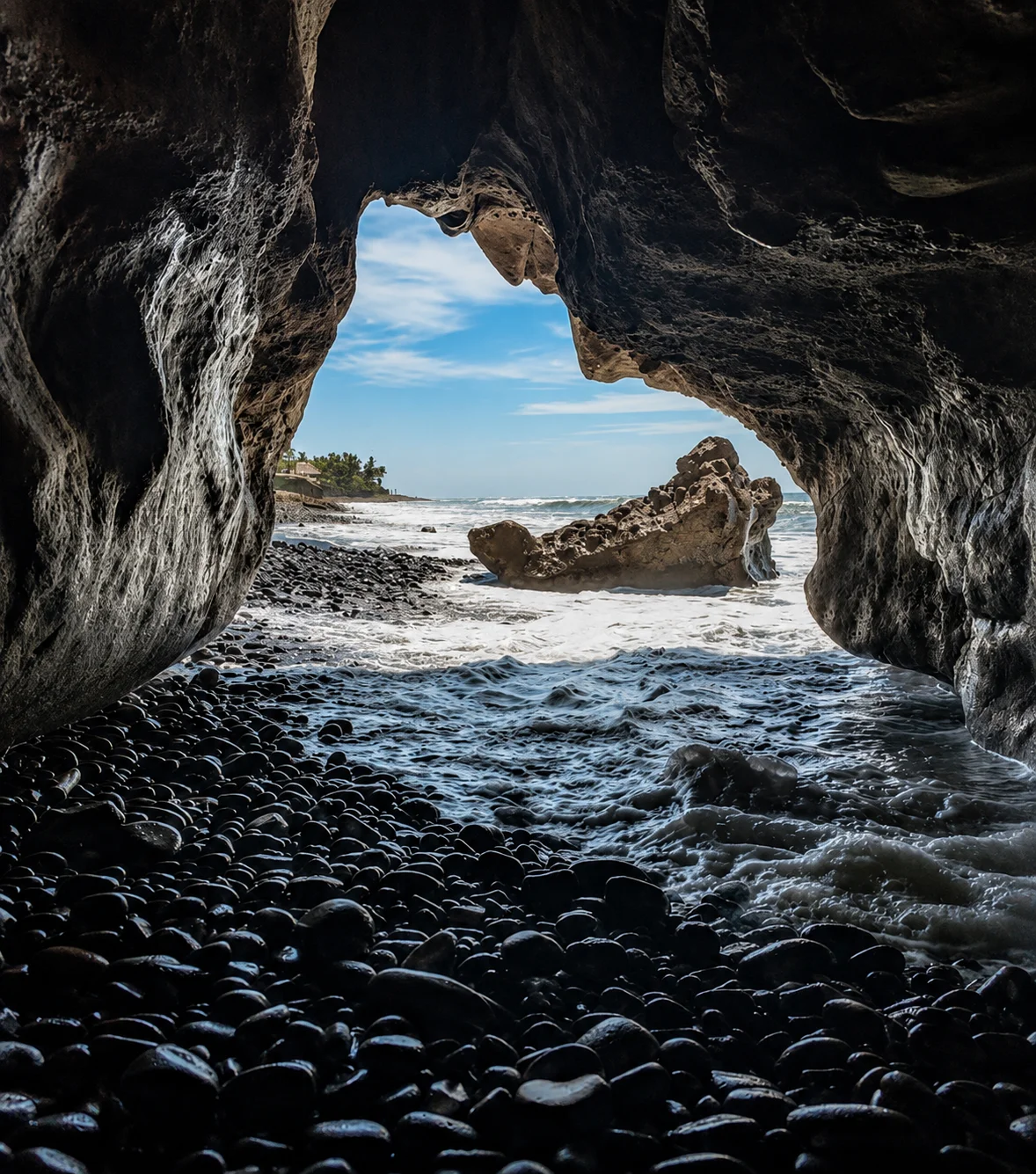
Mizata Beach
The swell magnet with 300 days of waves a year.
07 / 14
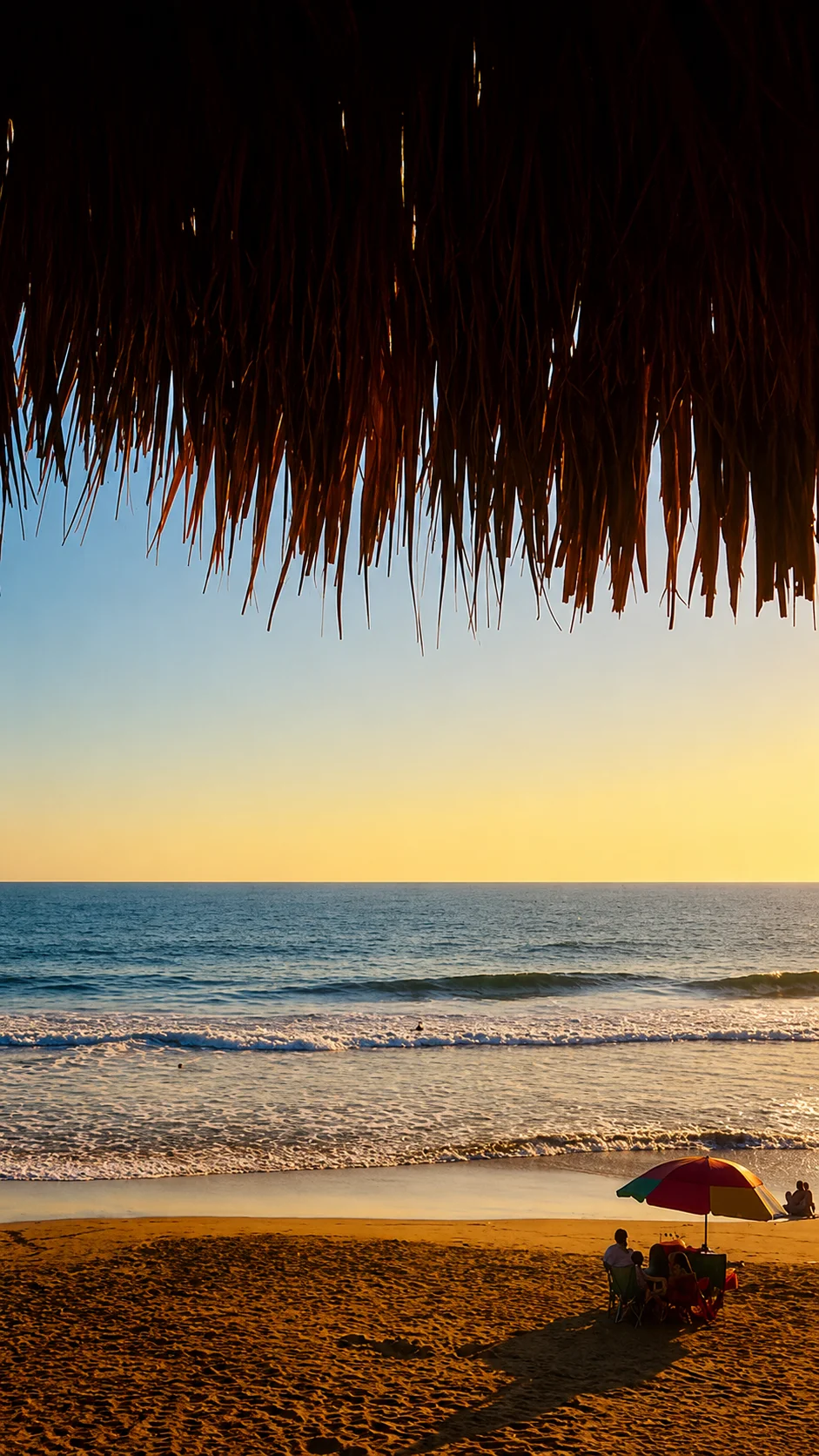
El Sunzal Beach
The long, mellow wave, a longboard paradise.
08 / 14
El Majahual Beach
The popular black sand beach and beach break.
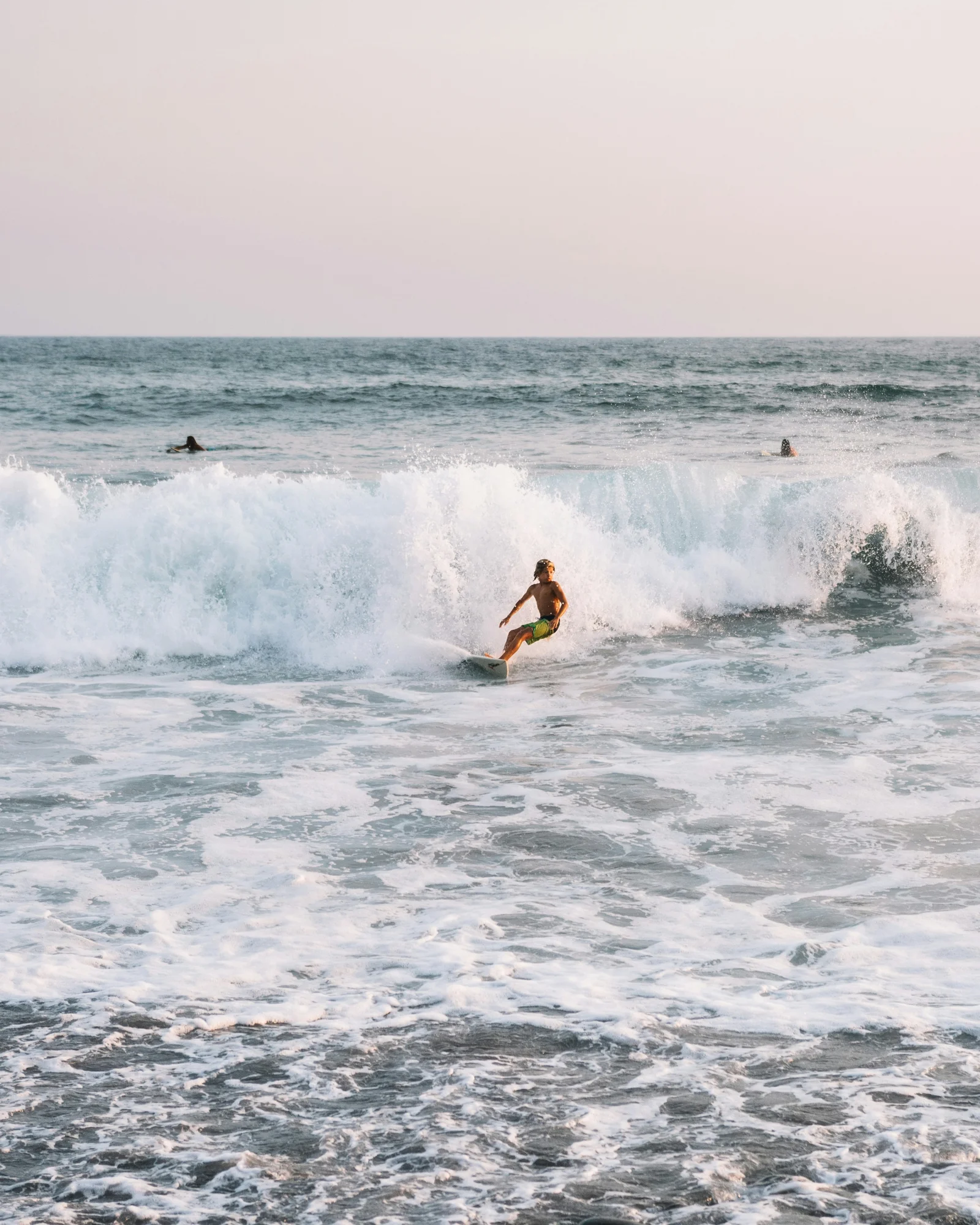 Beach
Beach09 / 14
Punta Roca Beach
The world-class right-hand point break.
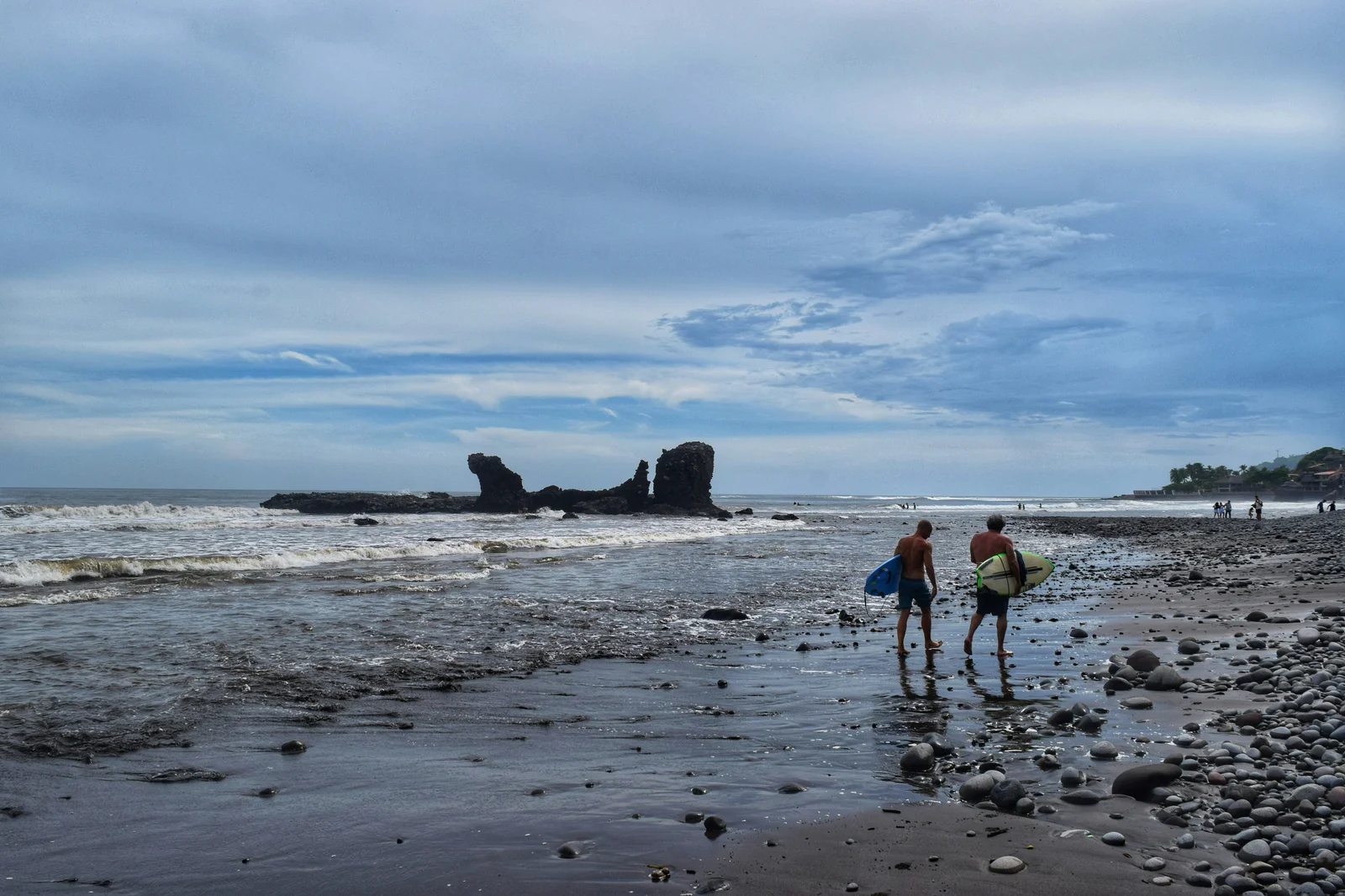 Beach
Beach10 / 14
El Tunco
The capital of surfing and partying in El Salvador.
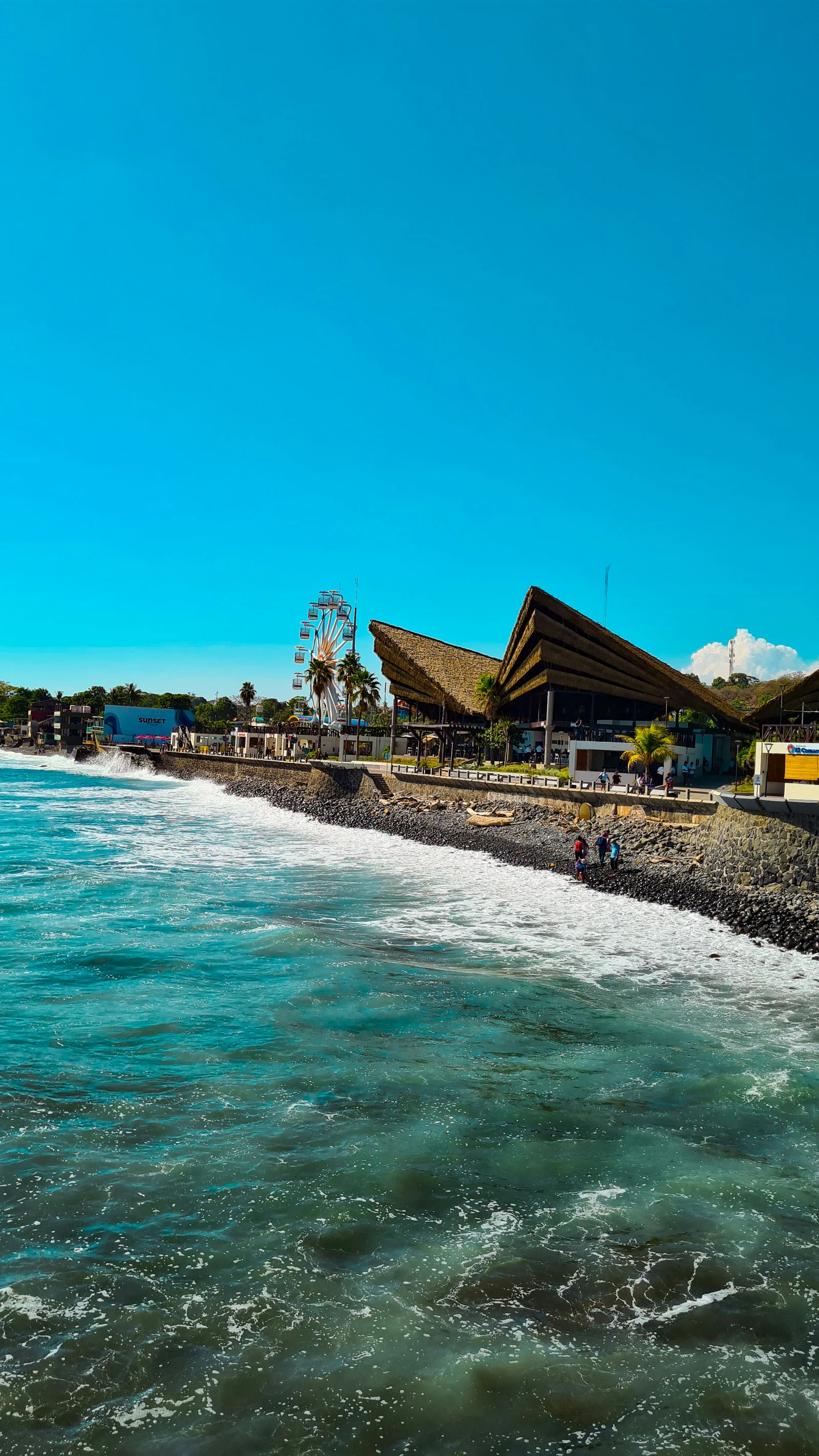 Market
11 / 14
Port of La Libertad
The seafood boardwalk, sunsets, and surf at Punta Roca.
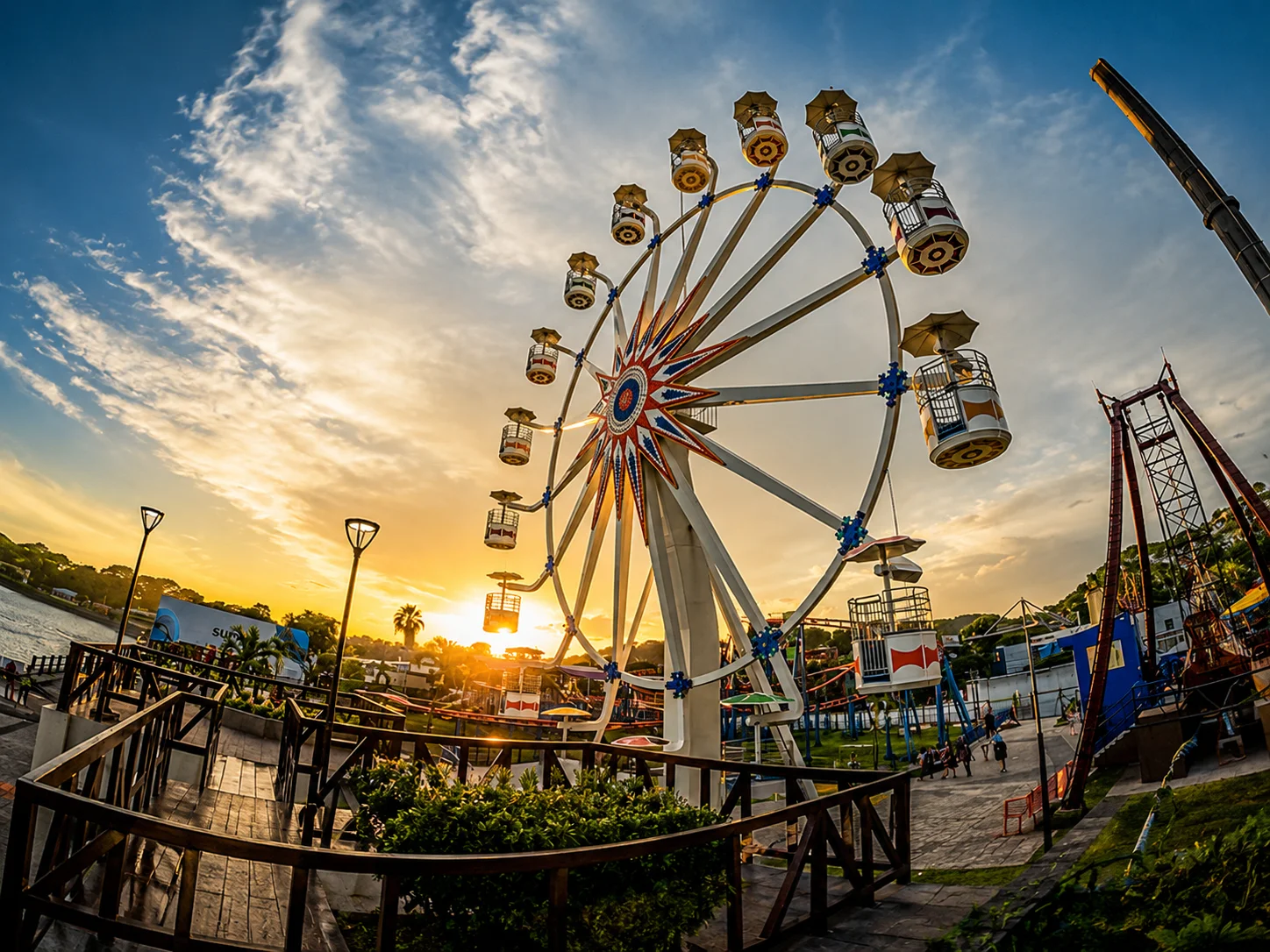 Park
Park12 / 14
Sunset Park Amusement Park
The first seaside amusement park in Central America.
 Park
Park13 / 14
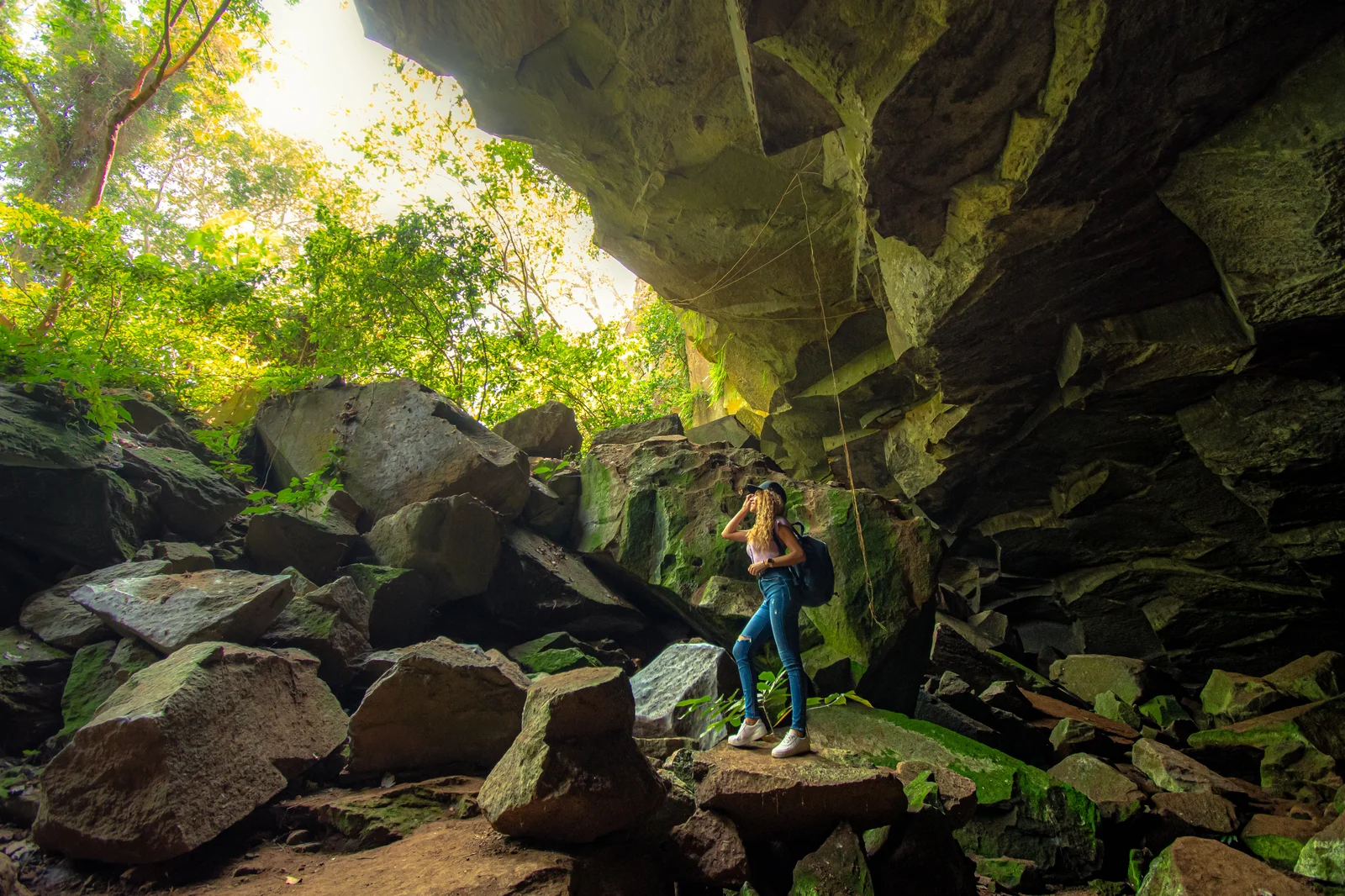
Walter Thilo Deininger Adventure Park
Dry forest, trails, and adventure sports near the Pacific coast.
 Nature
14 / 14
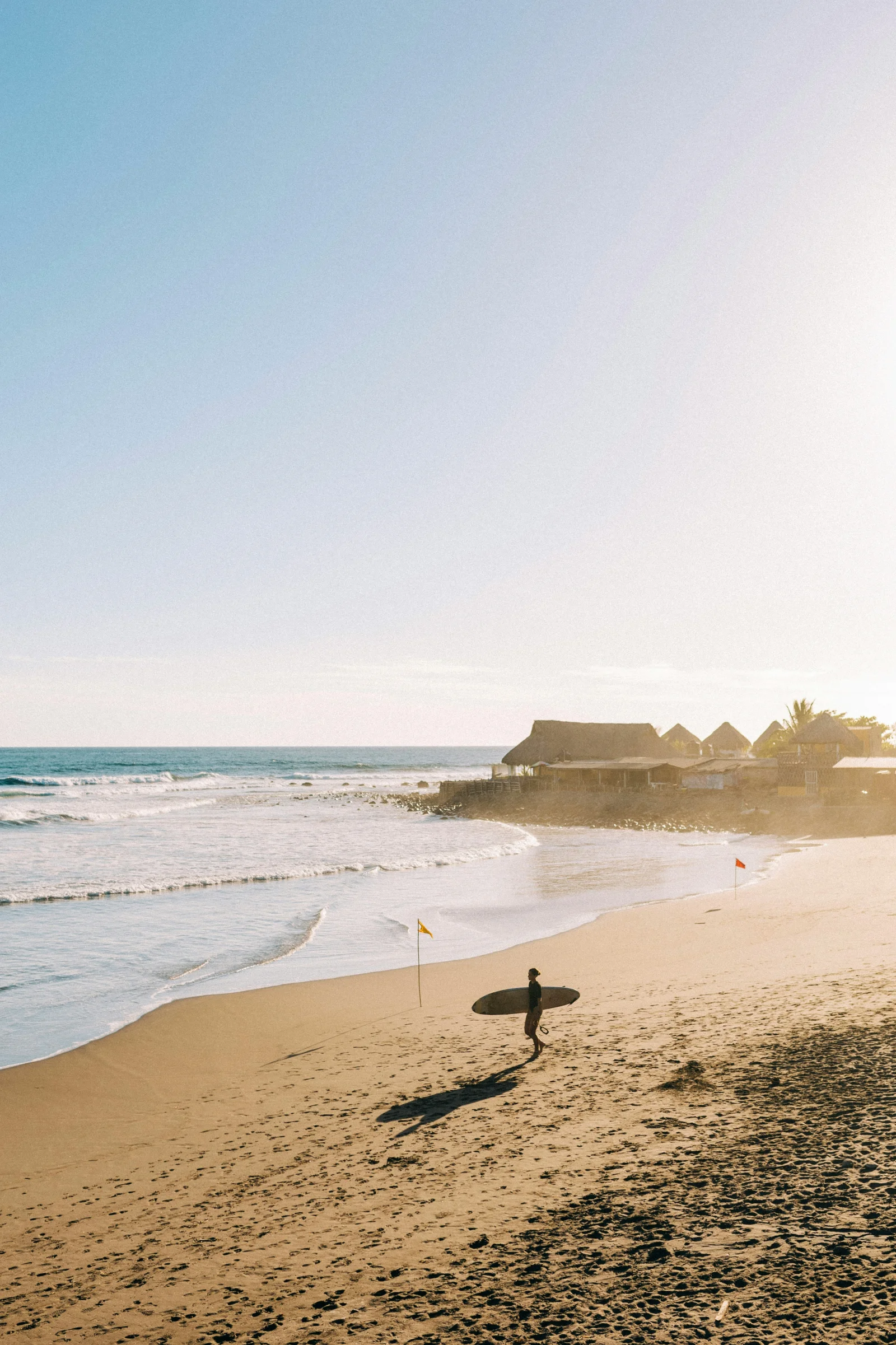
El Zonte
The beach where Bitcoin Beach was born.
Plan your visit
Everything you need to know before you arrive.
Temperature
22–27°C
72–81°F
Altitude
0 msnm
History of La Libertad
Part of this strip belongs to the Costa del Bálsamo, named after the tree from which an aromatic resin is extracted for use in medicine and perfumery. Its use by indigenous communities predates colonial trade, when Salvadoran products reached foreign markets. In the 19th century, the Port of La Libertad became a maritime outlet for the country's commerce; its establishment in 1824 corresponds to the port, not to the founding of the entire region. Fishing and commercial exchanges marked the development of coastal populations. During the 20th century, the beaches also began to attract surfers and national visitors. With the growth of accommodations and tourist services, towns like El Tunco and El Zonte gained greater recognition. In 2021, La Bocana and El Sunzal hosted a world championship that awarded the final surfing spots for the Tokyo Olympic Games.
Fun facts
Want to visit La Libertad?
Tours, local guides, private transport and car rental. Tell us what you need and we'll arrange it for you.
TuChero · AI guide
Artificial Intelligence specialized in El Salvador
Want to discover more places?
Ask TuChero, your AI travel guide, for the best places, tips and recommendations for traveling around El Salvador.