
San Vicente
About San Vicente
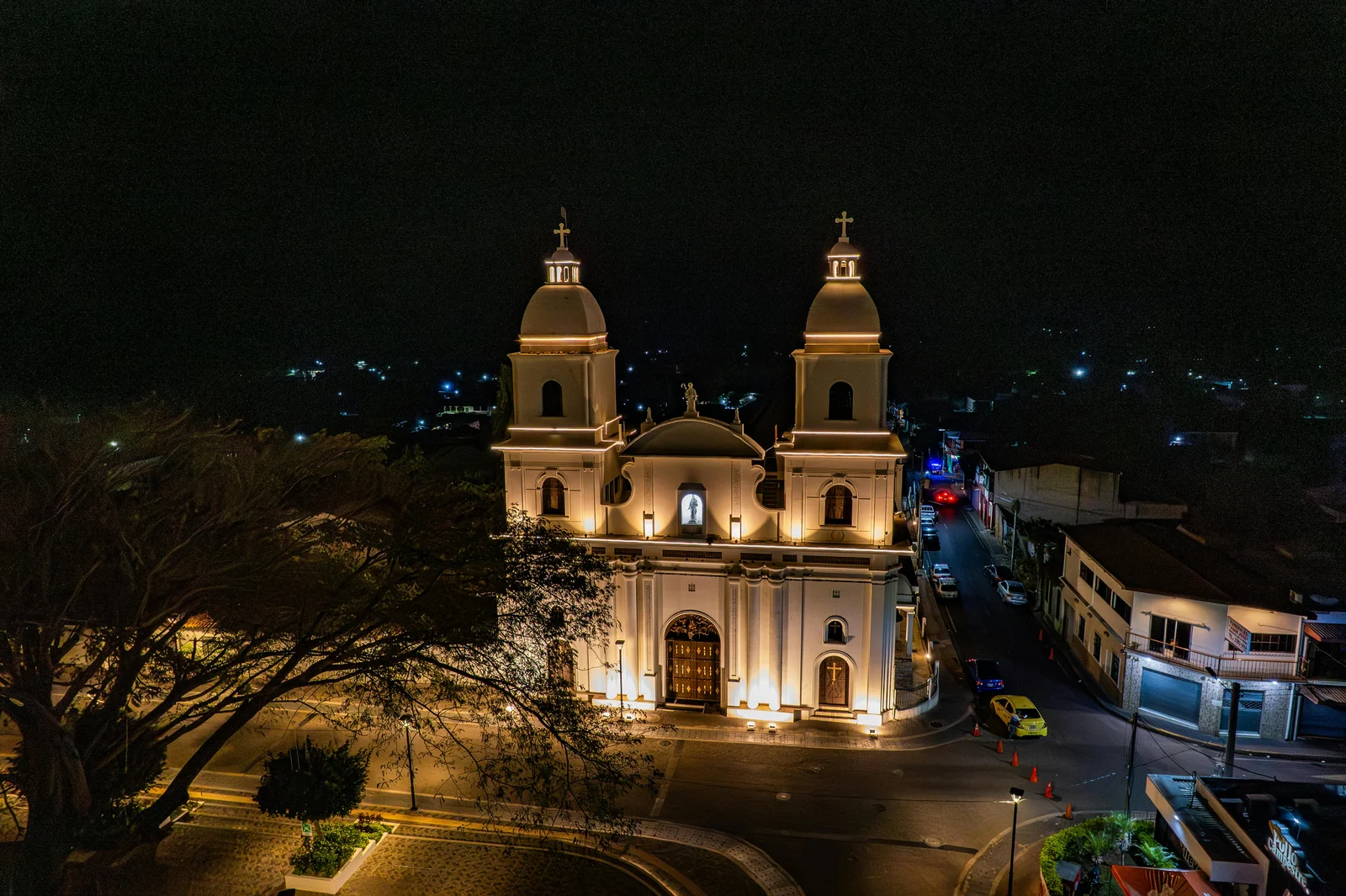
San Vicente is a city in the paracentral region of El Salvador, at the foot of the volcano of the same name, also known as Chinchontepec. It was the capital of the Salvadoran state and retains historical buildings from various eras in its center. It is known for its family-owned candy shops, where artisanal sweets made from sweet potato, coconut, and milk are sold. Nearby is Amapulapa, a recreational park with pools fed by springs.
Explore San Vicente
Activities, restaurants and stays recommended by Experiences.
Where to eat
Tap a card for more info and location

Pimentón Restaurante
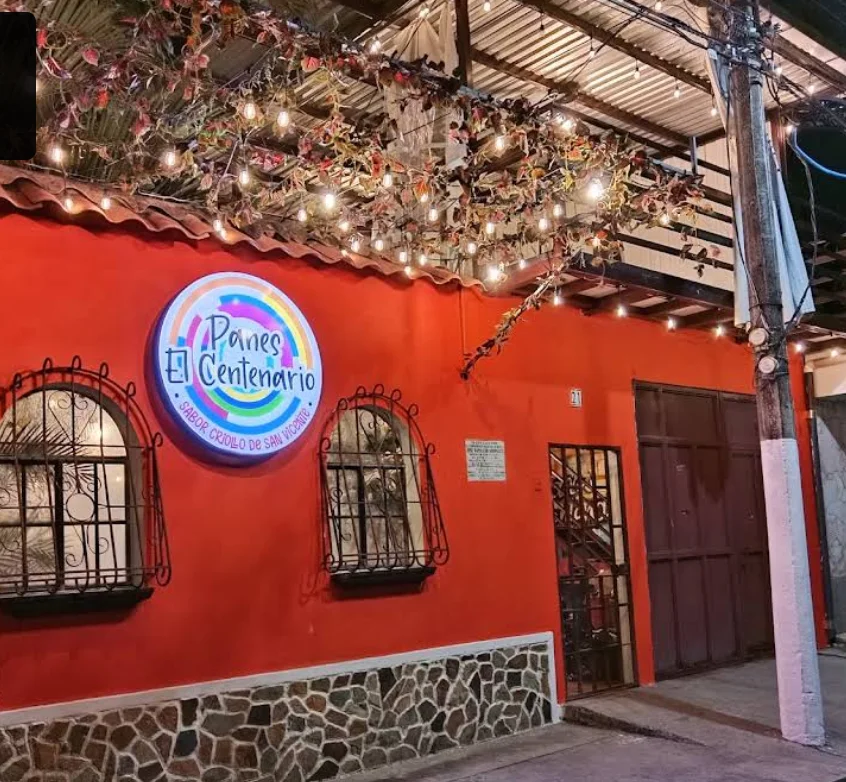
Panes El Centenario

Pupusería La Infancia
Pupusería La Infancia
Pupusería located in San Vicente. Their offerings highlight pupusas and Salvadoran snacks.
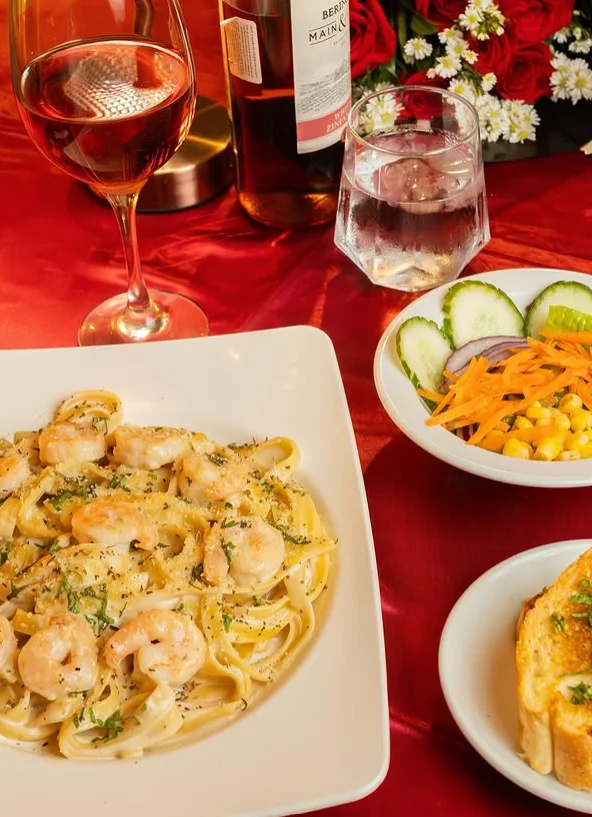
Acapulco Rumba & Grill
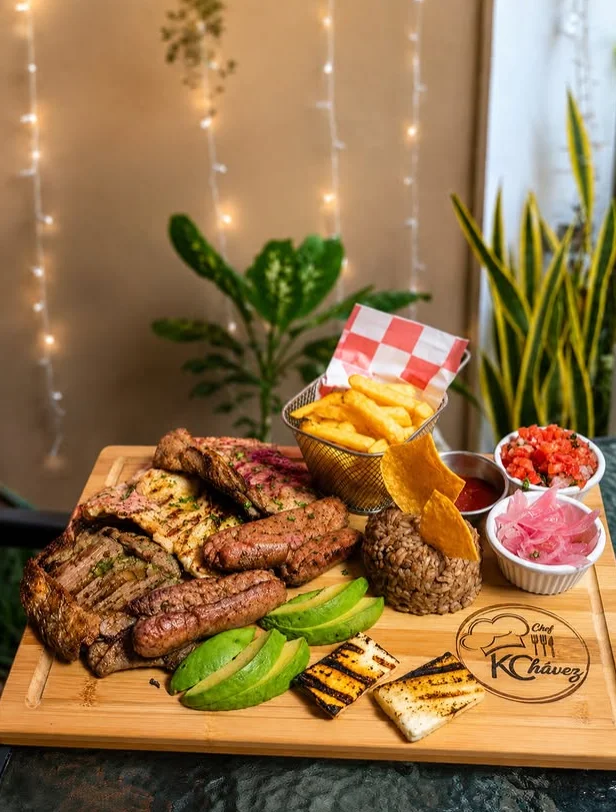
La Tercera, Restaurante a las Brasas
Cafés & Bars
Tap a card for more info and location
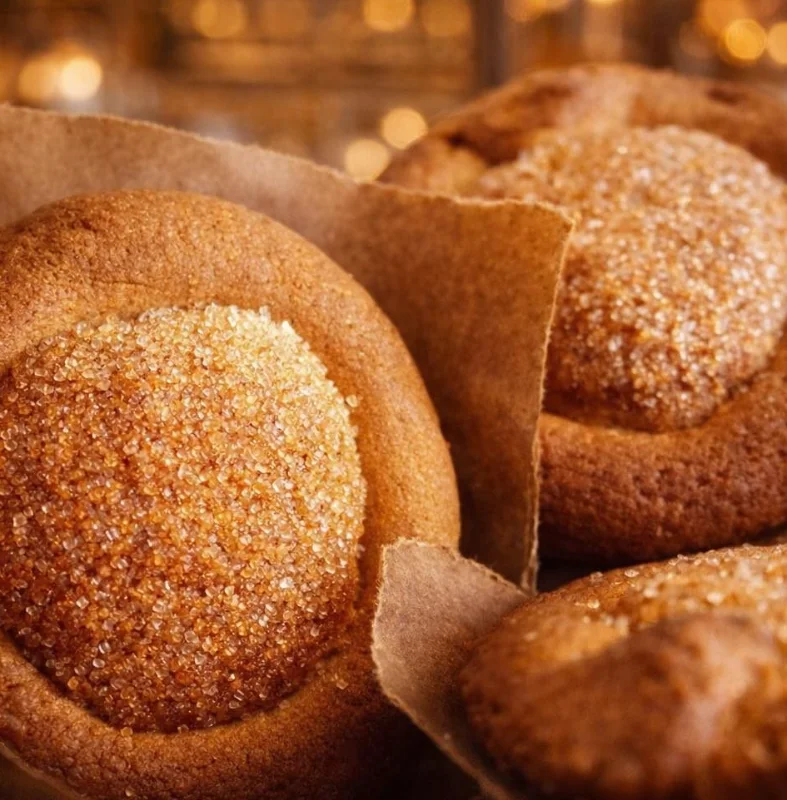
Panadería Pacita's
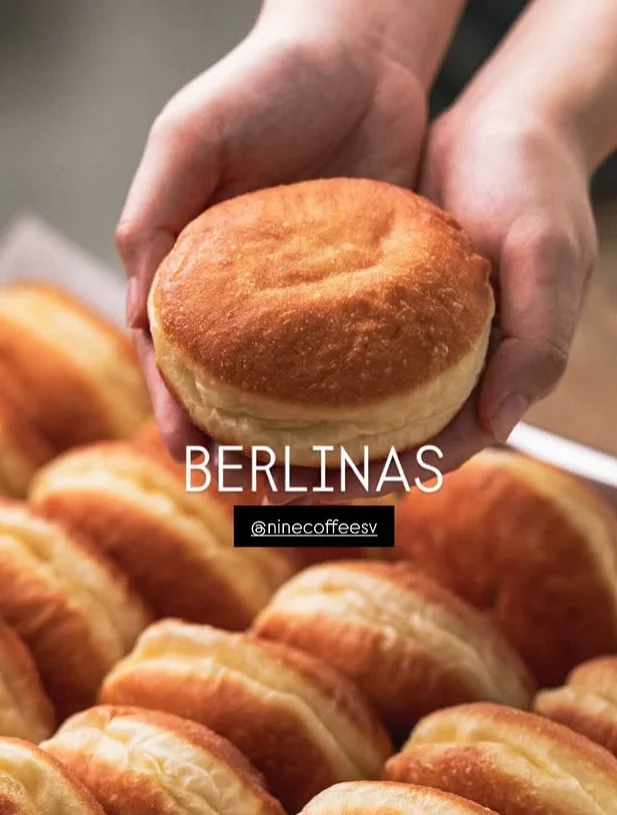
Highlights
Snapshots that tell the story of San Vicente.
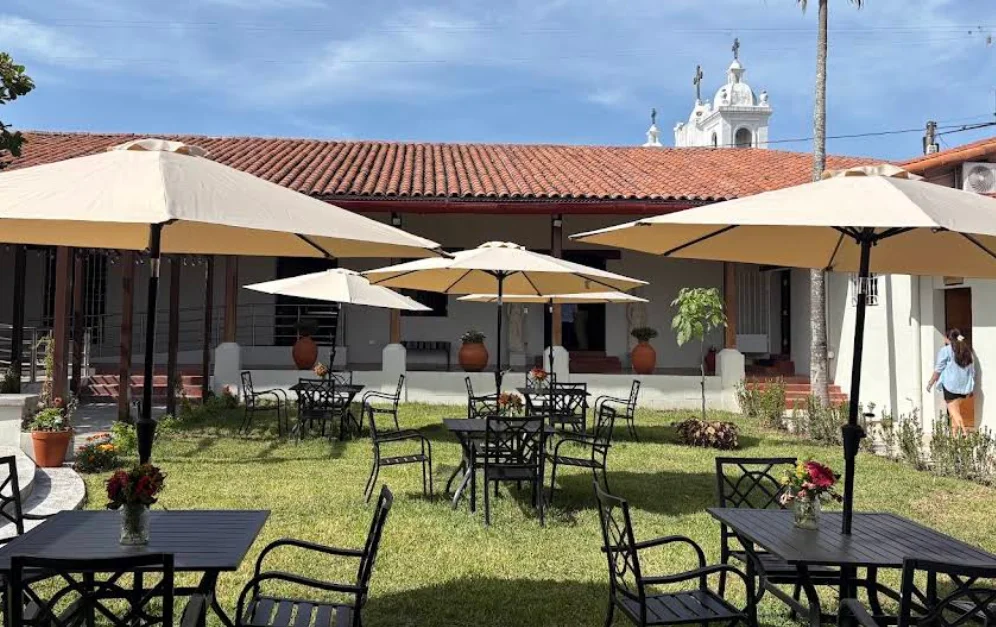
01 / 04
San Sebastián Tourist Terminal
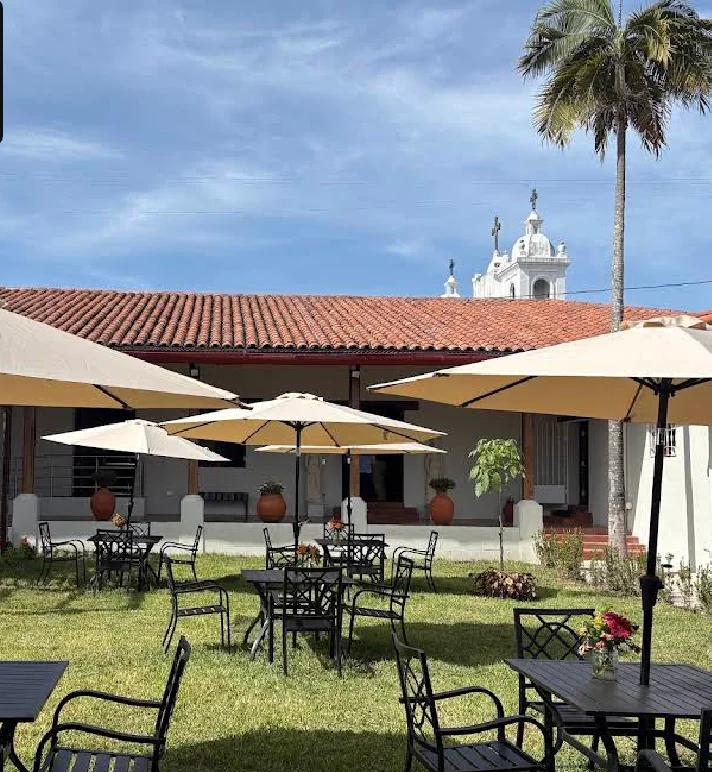 Tourist Attraction
02 / 04
San Sebastián Tourist Terminal
Gateway to the weaving workshops of San Sebastián.
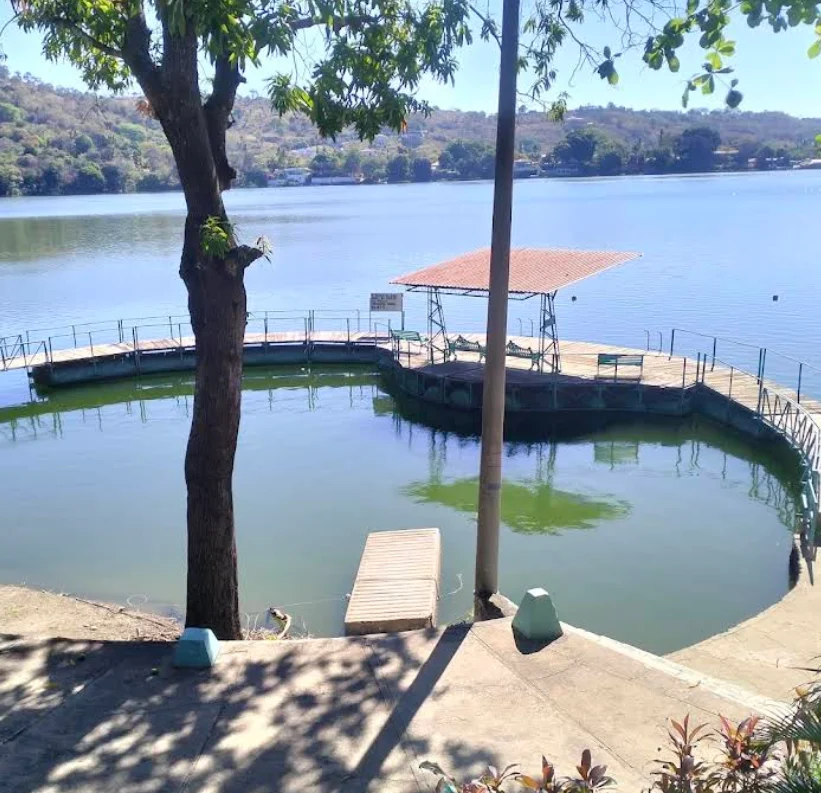 Spa Resort
03 / 04
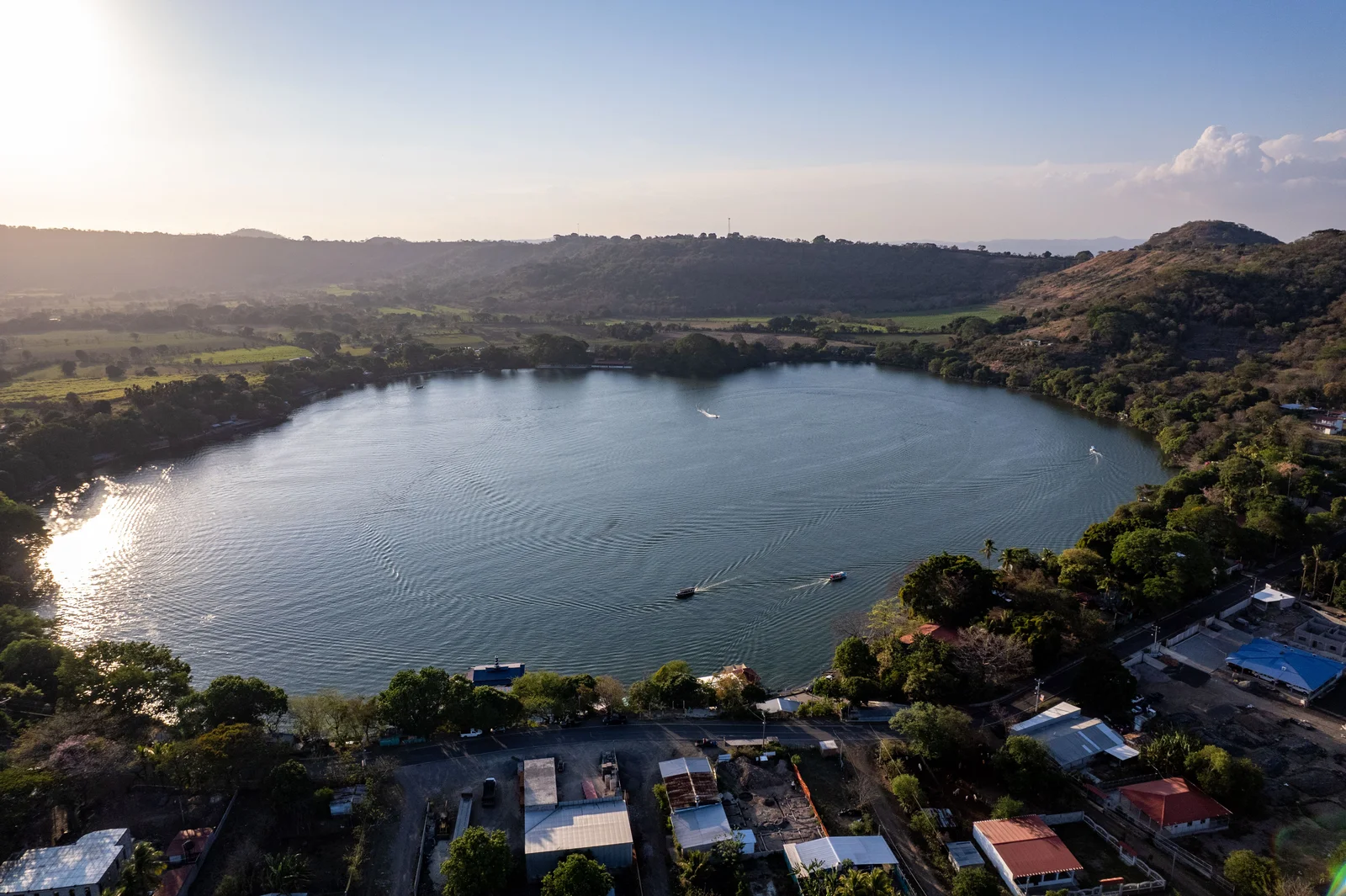
Apastepeque Recreational Park
Tourist center on a crater lake, for swimming and kayaking.
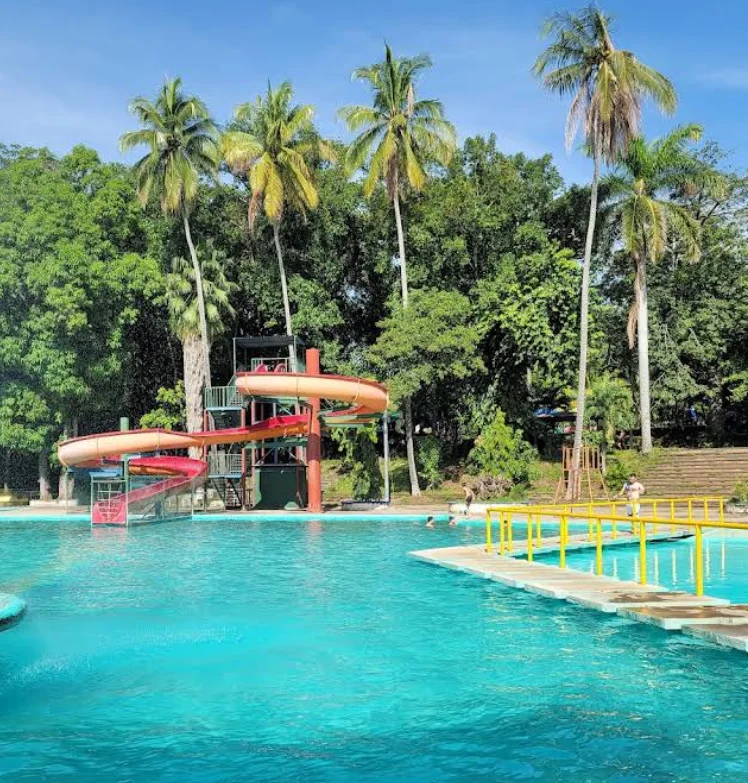 Spa Resort
04 / 04
Amapulapa Recreational Park
Crystal-clear pools at the foot of Chichontepec Volcano.
Plan your visit
Everything you need to know before you arrive.
Temperature
19–34°C
66–93°F
Altitude
390 msnm
History of San Vicente
San Vicente was founded on December 26, 1635, by Spanish families who settled near the Acahuapa River, in a region already inhabited by indigenous communities. In 1658, it was granted the title of villa and adopted the name San Vicente de Austria, linked to the dynasty that ruled Spain. The cultivation and trade of indigo contributed to its growth during the colonial era. It received the title of city in 1812 and became the departmental capital in 1824. Its most significant political prominence came between 1834 and 1840, when it served as the capital of the Salvadoran state, while San Salvador was the seat of the Central American federal government. Over time, the city maintained its commercial importance and developed family traditions such as candy making, documented since the 19th century. Its center preserves traces of colonial and republican architecture: it does not belong to a single era, but rather to different stages of national history.
Fun facts
Want to visit San Vicente?
Tours, local guides, private transport and car rental. Tell us what you need and we'll arrange it for you.

TuChero · AI guide
Artificial Intelligence specialized in El Salvador
Want to discover more places?
Ask TuChero, your AI travel guide, for the best places, tips and recommendations for traveling around El Salvador.