
Izalco
About Izalco
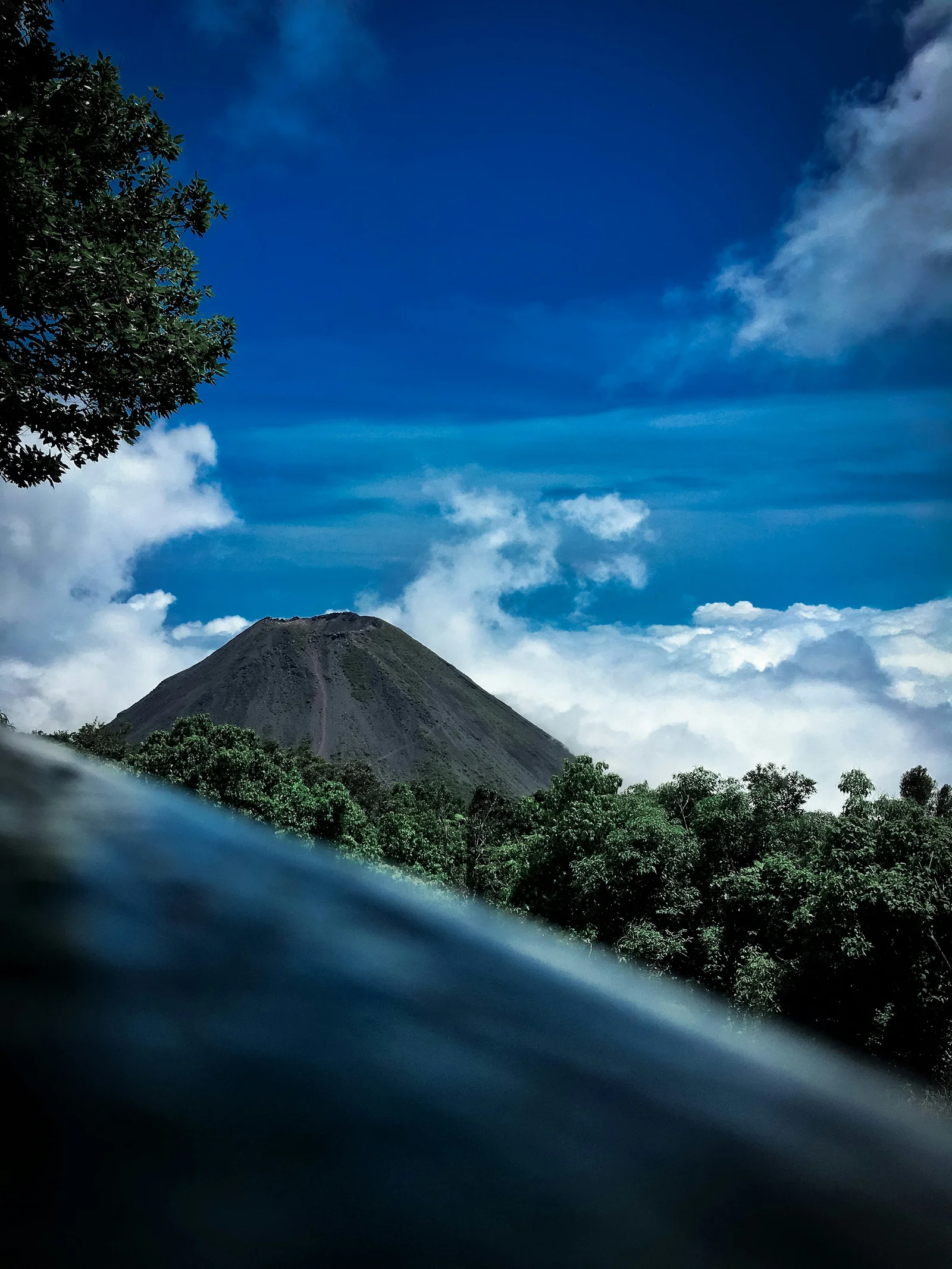
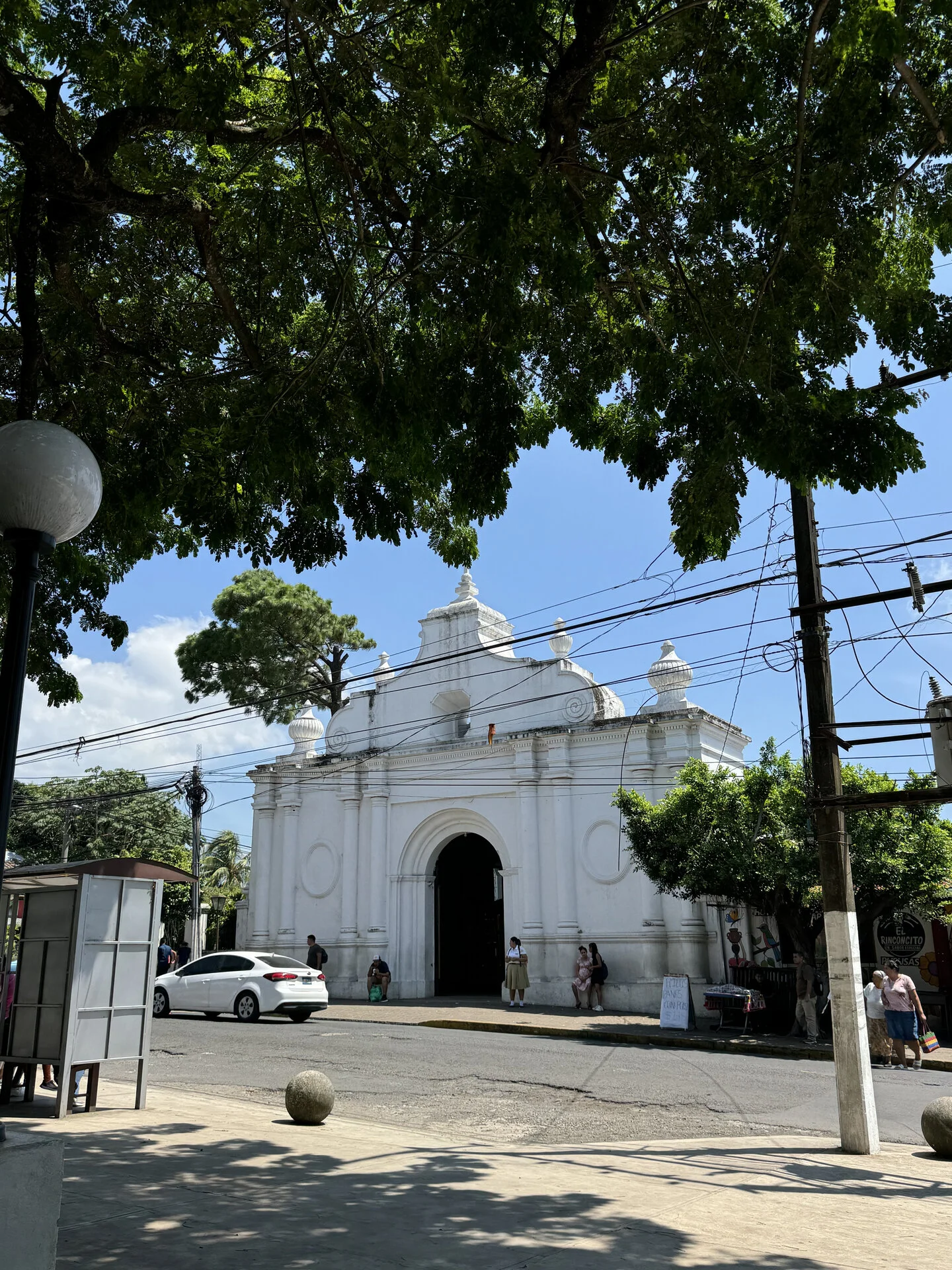
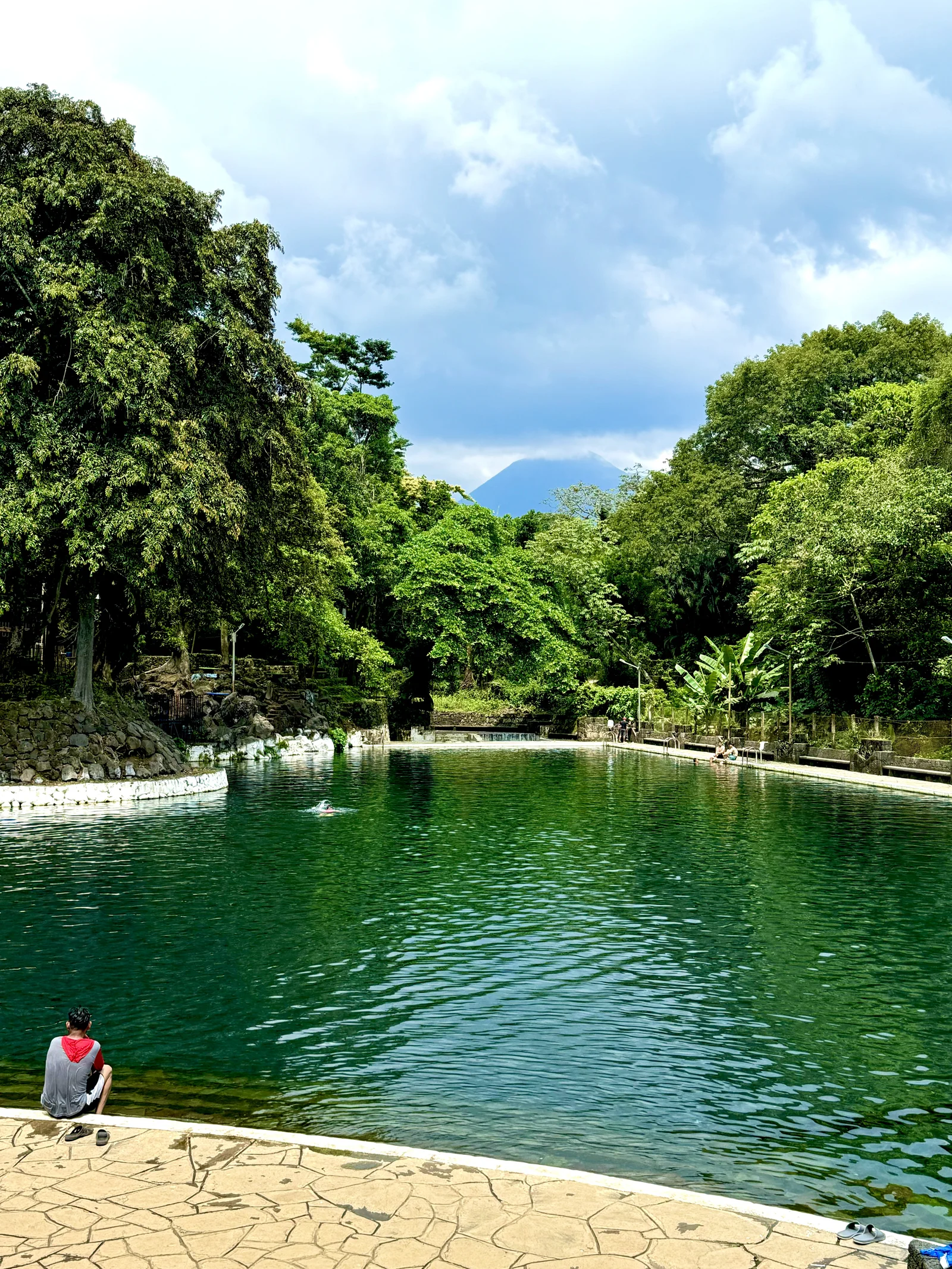
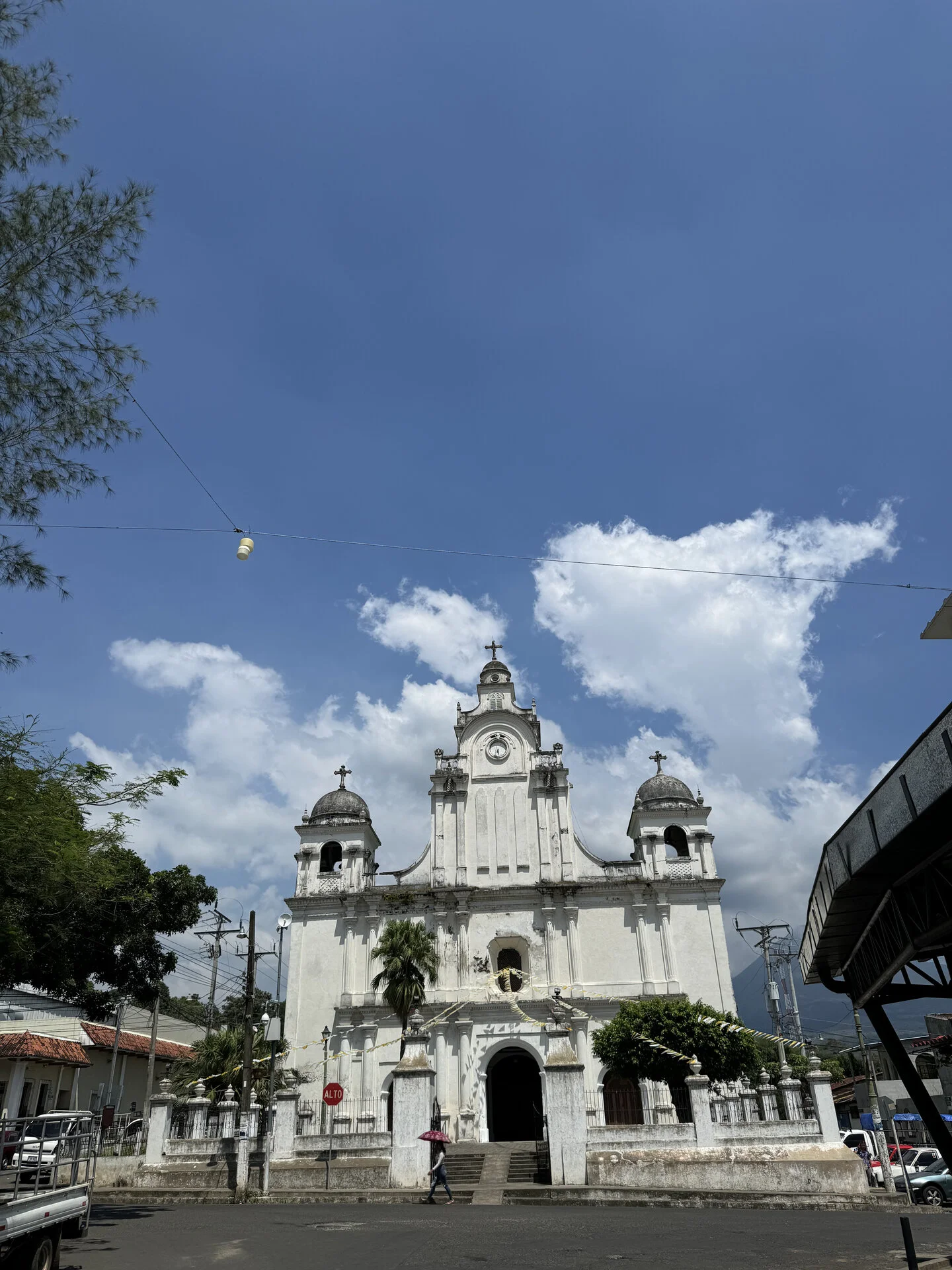
Izalco is a town in Sonsonate where brotherhoods and indigenous authorities continue to be part of community life. The churches of La Asunción and Dolores recall the two ancient towns that shaped the city. Its Holy Week is one of the most unique religious celebrations in the country. Near the center, Atecozol offers pools fed by springs, while the Izalco volcano dominates the surrounding landscape.
Explore Izalco
Activities, restaurants and stays recommended by Experiences.
Where to stay
Tap a card for more info and location
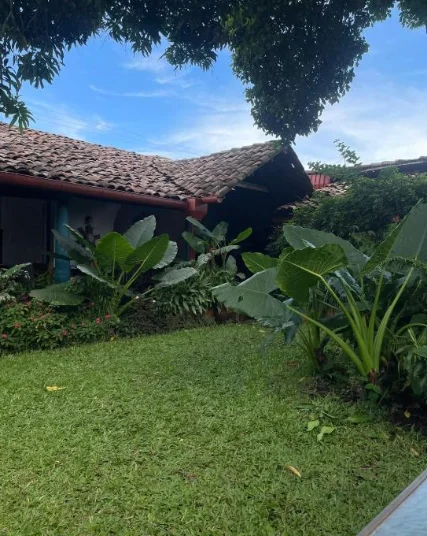
Hostal La Casona de los Vega
Highlights
Snapshots that tell the story of Izalco.
Plan your visit
Everything you need to know before you arrive.
Altitude
430 msnm
History of Izalco
Izalco was one of the main Nahua centers in western El Salvador before the conquest. Its territory was part of the lordships of Tecpán-Izalco, whose wealth came from cacao, used as a trade product and currency. After the Spanish campaigns of 1524, the population fell under the colonial system and ended up organized into two contiguous towns: Asunción Izalco, predominantly indigenous, and Dolores Izalco, primarily associated with ladino population. A street separated both nuclei, which maintained their own parishes and governments for much of the colonial and republican periods. In 1862, they were definitively merged under a single municipality and received the title of city. The expansion of coffee plantations and the elimination of communal lands deeply affected the indigenous communities. In January 1932, Izalco was one of the centers of the peasant and indigenous uprising and the subsequent massacre carried out by the State. Despite decades of persecution and silence, the brotherhoods, the Alcaldía del Común, and the ceremonies of remembrance continue to make the indigenous identity of the city visible.
Fun facts
Want to visit Izalco?
Tours, local guides, private transport and car rental. Tell us what you need and we'll arrange it for you.

TuChero · AI guide
Artificial Intelligence specialized in El Salvador
Want to discover more places?
Ask TuChero, your AI travel guide, for the best places, tips and recommendations for traveling around El Salvador.